A second year of multilingual awareness for 4th Class. Pupils return to every Stage 3 outcome with a harder question: not only which languages and names are around them, but why they are shaped that way, who named them, and what is lost when a language stops being spoken.
Read more
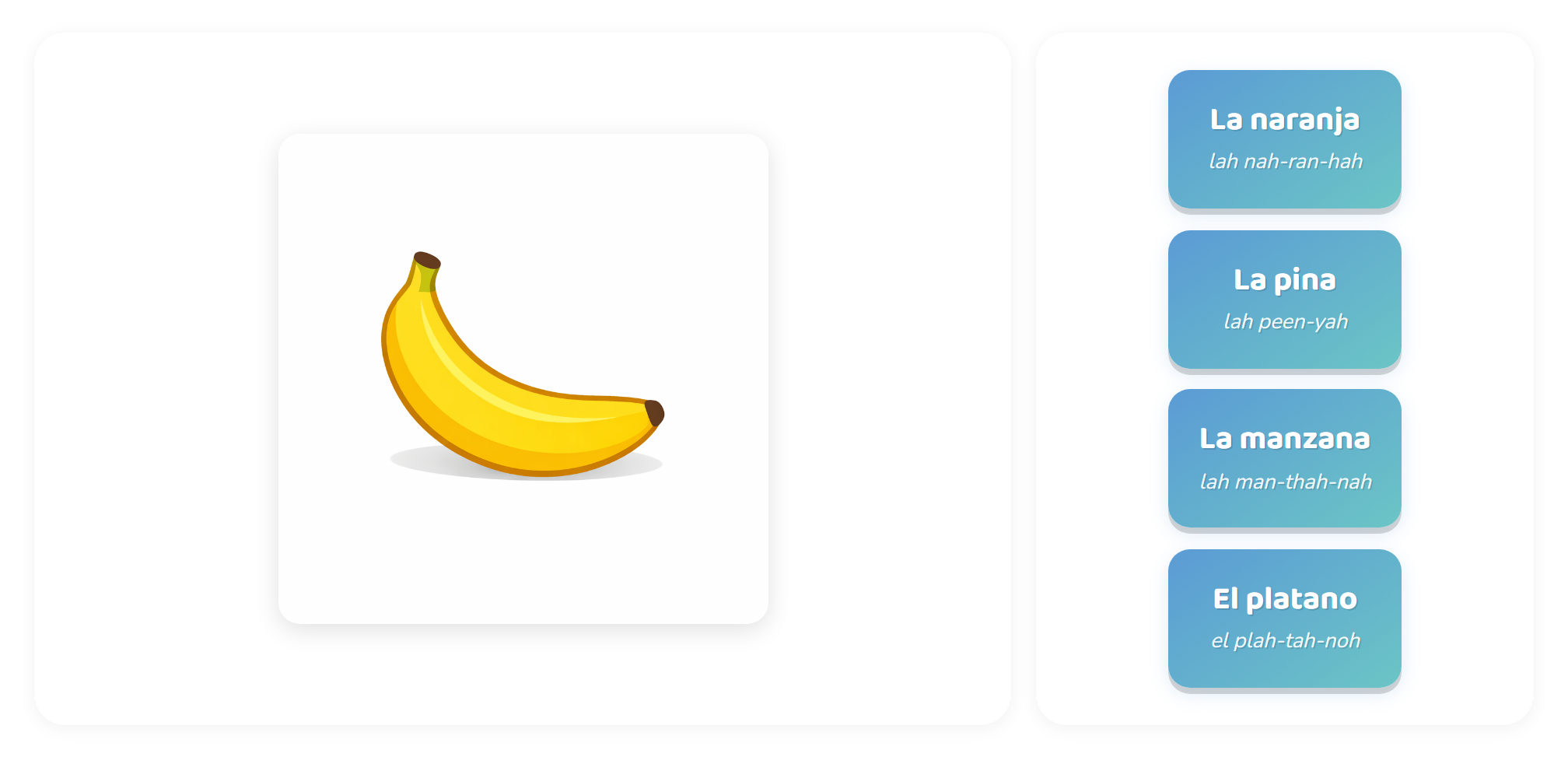
Everything you need for Modern Foreign Languages, all year.

A complete year of Languages, delivered by teacher-led interactive-whiteboard lessons, a printed pupil Activity Book, and a Teacher Resource Book, built to the NCCA’s Modern Foreign Languages outcomes.

Interactive whiteboard lessons
Pupil Activity Book Modern Foreign Languages 123learn Bran the Irish wolfhound
Teacher Resource Book Modern Foreign Languages 123learn Teacher resource books and materials

Explore the Course

Click any lesson with to preview it

Pupils map the languages in their own classroom and country, then follow how languages travel across oceans, sit across borders, and leave a legal footprint in the Gaeltacht. Noticing shape throughout: three new words per lesson, compared across languages.

Languages in This Room and Country
Who Is in This Room, and Where Are They from?
Home Languages Beyond English and Irish
How a Language Crosses an Ocean
Families, Borders and the Gaeltacht
Discover Word Families
A Language Is Not a Country
Find the Gaeltacht on the Map

Investigation shape throughout. Pupils open Irish placenames for churches and forts, meet words that began as people's names, see that naming records power, unpick Ulster's layered names, and trace surnames through real historical sources.

Churches, Forts and People in Names
Decode the Churches in the Names
Find the Forts in the Names
Names That Turned Into Words
Power, Layers and Family Names
Who Did the Naming?
Language Layers in Ulster Names
Stories Hiding in Surnames

Noticing shape throughout. Pupils take long German words apart, meet languages that work by endings, hunt false friends, build a method for checking guesses, compare word order, and decode a whole sentence they were never taught.

How Words Are Built and Bent
Long Words Are Short Words Joined
The Ends of Words Do the Work
Hunt the False Friends
Checking Guesses and Reading Whole Sentences
Learn How to Check a Guess
Explore How Word Order Changes
Read a Sentence You Were Never Taught

Reflection shape throughout. No new vocabulary. Pupils face language loss, look at Irish as a language that nearly stopped, match memory strategies to word types, see code-switching as skill, use Irish and English to break into a third language, and set a checkable target for Stage 4.

Languages That Stop and Ways That Work
When a Language Stops
Our Own Language, Two Hundred Years Ago
Which Way Works for Which Word?
Mixing, Helping and Looking Ahead
Mixing Languages on Purpose
One Language Helping Another
What Next, and How Will I Know?

Story shape throughout. No new vocabulary. Pupils learn to describe a culture without flattening it, meet tales older than their writing, meet collectors who made choices, read values out of sayings, compare music passed by ear with music fixed on a page, and close two years of Stage 3 noticing.

Stories, Collectors and Sayings
Real Life, Not Postcards
A Story Older Than Its Writing
Who Collected the Stories?
What a Saying Says About a People
Music by Ear and Two Years of Noticing
Music Carried by Ear
Two Years of Noticing

Pupils map the languages in their own classroom and country, then follow how languages travel across oceans, sit across borders, and leave a legal footprint in the Gaeltacht. Noticing shape throughout: three new words per lesson, compared across languages.

Languages in This Room and Country
Who Is in This Room, and Where Are They from?
Home Languages Beyond English and Irish
How a Language Crosses an Ocean
Families, Borders and the Gaeltacht
Discover Word Families
A Language Is Not a Country
Find the Gaeltacht on the Map

Investigation shape throughout. Pupils open Irish placenames for churches and forts, meet words that began as people's names, see that naming records power, unpick Ulster's layered names, and trace surnames through real historical sources.

Churches, Forts and People in Names
Decode the Churches in the Names
Find the Forts in the Names
Names That Turned Into Words
Power, Layers and Family Names
Who Did the Naming?
Language Layers in Ulster Names
Stories Hiding in Surnames

Noticing shape throughout. Pupils take long German words apart, meet languages that work by endings, hunt false friends, build a method for checking guesses, compare word order, and decode a whole sentence they were never taught.

How Words Are Built and Bent
Long Words Are Short Words Joined
The Ends of Words Do the Work
Hunt the False Friends
Checking Guesses and Reading Whole Sentences
Learn How to Check a Guess
Explore How Word Order Changes
Read a Sentence You Were Never Taught

Reflection shape throughout. No new vocabulary. Pupils face language loss, look at Irish as a language that nearly stopped, match memory strategies to word types, see code-switching as skill, use Irish and English to break into a third language, and set a checkable target for Stage 4.

Languages That Stop and Ways That Work
When a Language Stops
Our Own Language, Two Hundred Years Ago
Which Way Works for Which Word?
Mixing, Helping and Looking Ahead
Mixing Languages on Purpose
One Language Helping Another
What Next, and How Will I Know?

Story shape throughout. No new vocabulary. Pupils learn to describe a culture without flattening it, meet tales older than their writing, meet collectors who made choices, read values out of sayings, compare music passed by ear with music fixed on a page, and close two years of Stage 3 noticing.

Stories, Collectors and Sayings
Real Life, Not Postcards
A Story Older Than Its Writing
Who Collected the Stories?
What a Saying Says About a People
Music by Ear and Two Years of Noticing
Music Carried by Ear
Two Years of Noticing

Curriculum Mapping

See exactly how this course maps to official curriculum specifications

Curriculum Area
Outcomes
Building An Awareness Of Languages And Cultures
Exploring languages
S3.EL.1 S3.EL.2
Understanding myself as a language learner
S3.UL.1 S3.UL.2
Developing intercultural awareness
S3.IA.1 S3.IA.2 S3.IA.3 S3.IA.4 S3.IA.5 S3.IA.6 S3.IA.7

The curriculum does not include official reference codes for individual learning outcomes, so we have assigned a code scheme to make it easier to identify and track coverage.

Ready to bring this course to your school?

Get in touch to discuss pricing and ordering for your school.

Ready to get started?
Pricing & Ordering Contact Us
🍪 Our website uses cookies to make your browsing experience better. By using our website you agree to our use of cookies. Learn more