A year of multilingual awareness for 3rd Class. Pupils notice languages in the room, school, town and wider world, investigate where names and words come from, discover how languages work, reflect on themselves as language learners, and explore stories, songs and cultures with care and curiosity. There is no single target language: English, Irish, French, German, Spanish and others appear side by side as evidence.
Read more
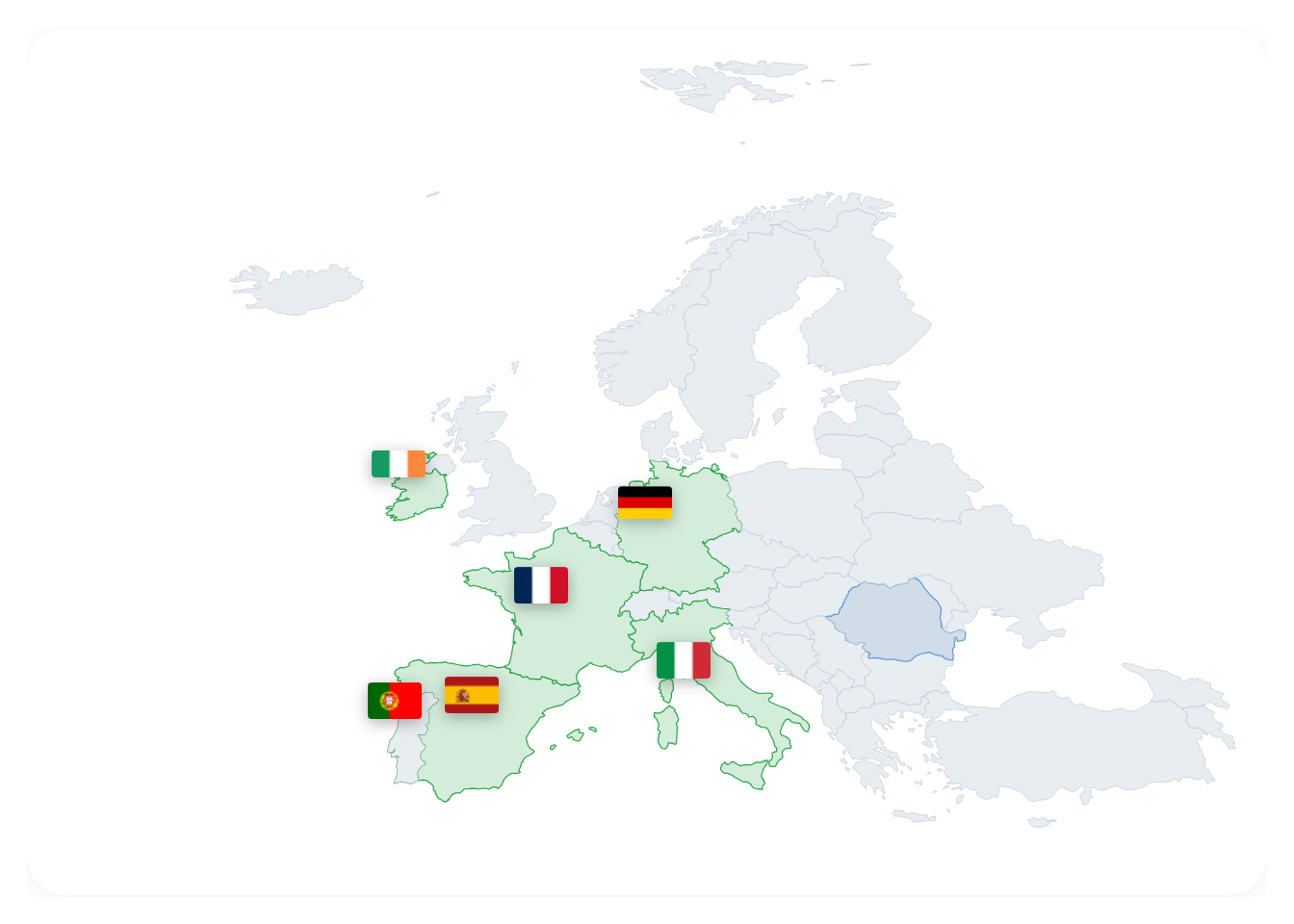
Everything you need for Modern Foreign Languages, all year.

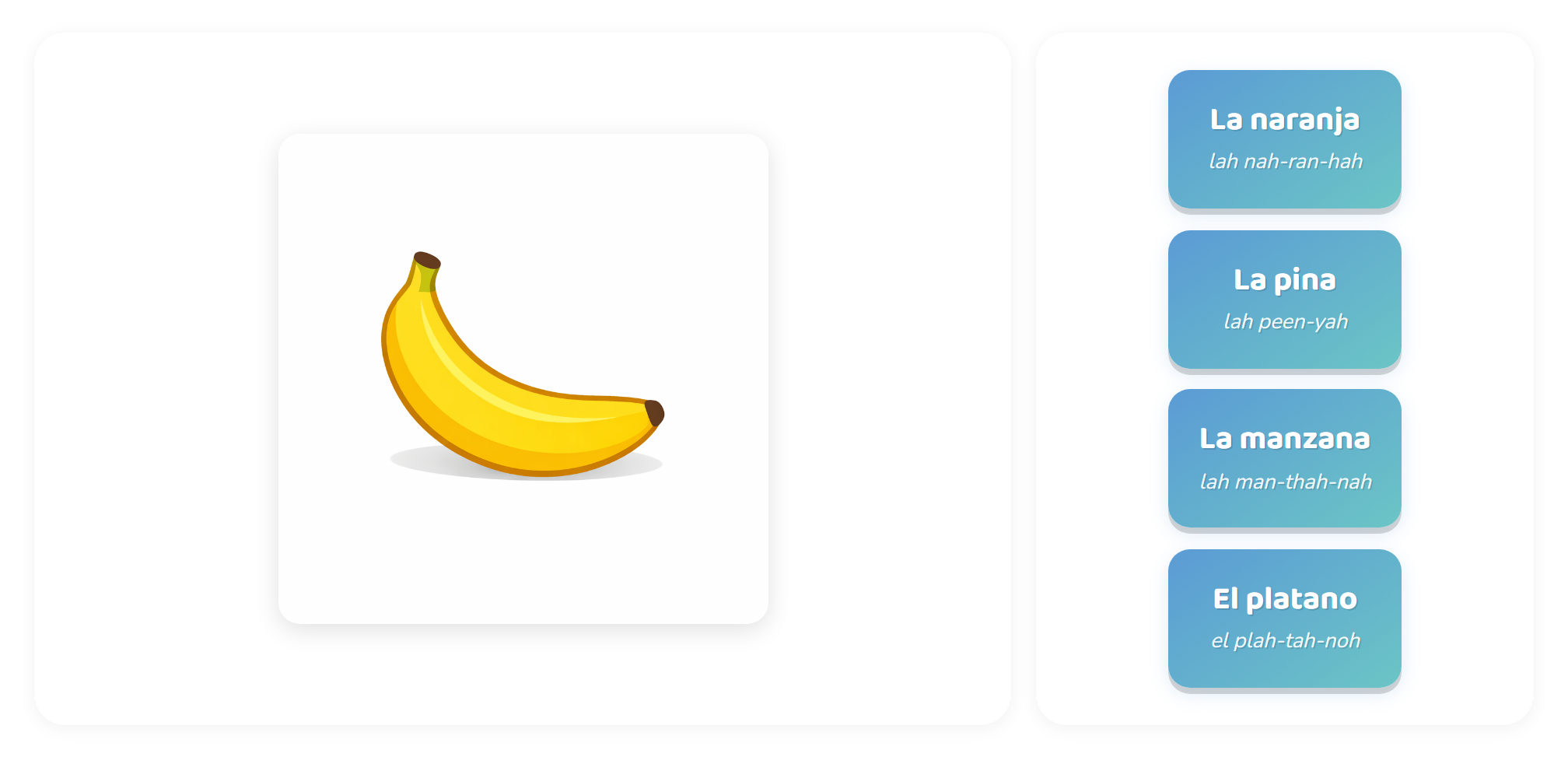
A complete year of Languages, delivered by teacher-led interactive-whiteboard lessons, a printed pupil Activity Book, and a Teacher Resource Book, built to the NCCA’s Modern Foreign Languages outcomes.

Interactive whiteboard lessons
Pupil Activity Book Modern Foreign Languages 123learn Oisín the red deer
Teacher Resource Book Modern Foreign Languages 123learn Teacher resource books and materials

Explore the Course

Click any lesson with to preview it

Pupils discover that languages already fill their classroom, school, town and island. They meet the same everyday meanings wearing different coats across languages, and begin to listen for which language they are hearing.

Languages Nearby
How Many Languages Are in This Room?
Languages in Our School
Languages in Our Town
Beyond Words and Borders
Languages Without Words
More Than One Language at Once
The Languages of This Island

Investigation module. Pupils decode Irish placenames, trace borrowed English words, meet Viking town names, read the landscape in townland names, and open the story inside surnames. The decoding is the lesson; there is no themed word list.

Reading Irish Placenames
Reading a Placename
Two Names, One Place
Words and Names That Travelled
Words That Travelled Here
The Vikings Named These Towns
Names in the Land and at Home
Named for What Was Really There
The Story in Your Own Name

Pupils notice accents and special marks, punctuation that differs across languages, true cognate cousins, number systems that do sums out loud, writing systems beyond our alphabet, and how knowledge of one language helps with another. No grammar terminology: they describe what they see in their own words.

Marks, Sounds and Questions
The Marks Above the Letters
Punctuation Is Not the Same Everywhere
Patterns Across Languages
Words That Look Like Cousins
Counting Is Not the Same Everywhere
Not Every Language Uses Our Writing System
Using What You Already Know

Reflection module. No new vocabulary. Pupils build their own case for learning languages, test how they remember words, write a personal strategy, apply Irish reading skill to a new language, and assess progress against evidence from earlier in the year.

Why Languages Matter
What Can You Do That a Phone Can't?
Languages Open Doors
How I Learn Best
How Do You Actually Remember a Word?
My Own Way of Learning
Skills I Have and Progress I Can See
A Skill You Already Have
What I Could Not Do in September

Story module. No new vocabulary. Pupils describe their own culture as a visitor might see it, compare a tale told two ways, find trickster stories that travel, meet idioms that make no literal sense, hear one birthday tune in many languages, and close the year with céad míle fáilte. Cultures are compared, never ranked.

Our Culture and Our Stories
My Own Culture, Seen from Outside
A Story Told Two Ways
Tales and Sayings That Travel
The Same Story, Everywhere
Sayings That Make No Sense
Songs and a Hundred Thousand Welcomes
One Tune, Many Words
A Hundred Thousand Welcomes

Pupils discover that languages already fill their classroom, school, town and island. They meet the same everyday meanings wearing different coats across languages, and begin to listen for which language they are hearing.

Languages Nearby
How Many Languages Are in This Room?
Languages in Our School
Languages in Our Town
Beyond Words and Borders
Languages Without Words
More Than One Language at Once
The Languages of This Island

Investigation module. Pupils decode Irish placenames, trace borrowed English words, meet Viking town names, read the landscape in townland names, and open the story inside surnames. The decoding is the lesson; there is no themed word list.

Reading Irish Placenames
Reading a Placename
Two Names, One Place
Words and Names That Travelled
Words That Travelled Here
The Vikings Named These Towns
Names in the Land and at Home
Named for What Was Really There
The Story in Your Own Name

Pupils notice accents and special marks, punctuation that differs across languages, true cognate cousins, number systems that do sums out loud, writing systems beyond our alphabet, and how knowledge of one language helps with another. No grammar terminology: they describe what they see in their own words.

Marks, Sounds and Questions
The Marks Above the Letters
Punctuation Is Not the Same Everywhere
Patterns Across Languages
Words That Look Like Cousins
Counting Is Not the Same Everywhere
Not Every Language Uses Our Writing System
Using What You Already Know

Reflection module. No new vocabulary. Pupils build their own case for learning languages, test how they remember words, write a personal strategy, apply Irish reading skill to a new language, and assess progress against evidence from earlier in the year.

Why Languages Matter
What Can You Do That a Phone Can't?
Languages Open Doors
How I Learn Best
How Do You Actually Remember a Word?
My Own Way of Learning
Skills I Have and Progress I Can See
A Skill You Already Have
What I Could Not Do in September

Story module. No new vocabulary. Pupils describe their own culture as a visitor might see it, compare a tale told two ways, find trickster stories that travel, meet idioms that make no literal sense, hear one birthday tune in many languages, and close the year with céad míle fáilte. Cultures are compared, never ranked.

Our Culture and Our Stories
My Own Culture, Seen from Outside
A Story Told Two Ways
Tales and Sayings That Travel
The Same Story, Everywhere
Sayings That Make No Sense
Songs and a Hundred Thousand Welcomes
One Tune, Many Words
A Hundred Thousand Welcomes

Curriculum Mapping

See exactly how this course maps to official curriculum specifications

Curriculum Area
Outcomes
Building An Awareness Of Languages And Cultures
Exploring languages
S3.EL.1 S3.EL.2
Understanding myself as a language learner
S3.UL.1 S3.UL.2
Developing intercultural awareness
S3.IA.1 S3.IA.2 S3.IA.3 S3.IA.4 S3.IA.5 S3.IA.6 S3.IA.7

The curriculum does not include official reference codes for individual learning outcomes, so we have assigned a code scheme to make it easier to identify and track coverage.

Ready to bring this course to your school?

Get in touch to discuss pricing and ordering for your school.

Ready to get started?
Pricing & Ordering Contact Us
🍪 Our website uses cookies to make your browsing experience better. By using our website you agree to our use of cookies. Learn more