Robotics & Engineering Short Course

Robotics & Engineering Short Course

This short course introduces students to the fascinating world of robotics and engineering through engaging lessons and hands-on projects. As a teacher, focus on sparking curiosity by using real-world examples and encouraging experimentation. Ensure access to necessary tools like Microbits and kits, and guide students through coding and assembly with patience, fostering creativity and problem-solving skills.
Read more

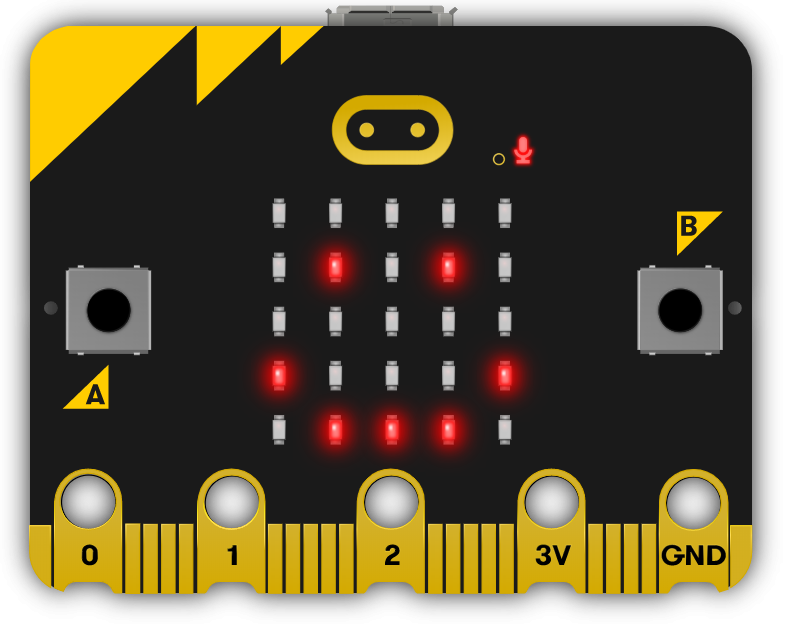
Explore the Course

Click any lesson with to preview it

This module introduces the fundamental concepts of robotics and engineering through a comprehensive exploration of robots, their history, components, and applications across various industries. It covers the evolution of robotics, future possibilities, and hands-on projects with Microbits, fostering an understanding of design, programming, and the societal impact of robotic technology.

Introduction to Robotics
What is a Robot? Quiz Challenge
History of robotics Quiz Challenge
Future of robotics Quiz Challenge
Robot anatomy Quiz Challenge
Robot applications Quiz Challenge
Coding Projects with Microbits
Exploring Microbits Quiz
Microbit Step Counter Quiz Challenge
Reaction Timer Quiz Challenge
Microbit Fruit and Veg Piano Quiz Challenge
Designing a Microbits Weather Station Quiz Challenge
Microbit Compass and Thermometer Quiz Challenge
Microbit Pet Quiz Challenge
Data Logging
Tilt Angle Quiz Challenge
Acceleration Quiz Challenge
Noise Level Quiz Challenge
Exploring Electronics and Light
Microbit LED Strip Quiz Challenge
LED Strip Clapper Quiz Challenge
Microbit LED Strip Thermometer Quiz Challenge
Shooting Stars Quiz Challenge
LED Flags Quiz Challenge
LED Stacking Quiz Challenge
LED Strip Precision Game Quiz Challenge

This module offers a comprehensive exploration of robotics and engineering concepts through hands-on projects with Microbit technology. Students will engage in creating interactive systems, programming games, and building functional models like traffic lights and sensor-equipped cars, enhancing their skills in coding, problem-solving, and hardware integration.

Applied Microbit Projects
Microbit Light Clapper Quiz Challenge
Microbit Sounds Quiz Challenge
Microbit Paddle Ball Quiz Challenge
Microbit Seismic and Meteorological Station Quiz Challenge
Microbit Voting System Quiz Challenge
Designing and Building for the Future
Build your Traffic Lights Quiz
Microbit Traffic Lights Quiz Challenge
Traffic Light Reaction Game Quiz Challenge
Pedestrian Crossing Quiz Challenge
Build your Move Motor Sensor Car Quiz Challenge
Line Following Car Quiz Challenge
Move Motor Measure Quiz Challenge
Traffic Lights and Car Communication Quiz Challenge

This module explores cutting-edge concepts in robotics and engineering through practical, hands-on projects. Students will engage with innovative technologies, including sensor-based systems, autonomous vehicles, renewable energy solutions, and IoT applications. By designing and programming advanced systems, learners will develop critical skills in problem-solving, coding, and hardware integration.

Autonomous Future
Autonomous Car Quiz Challenge
Tilt Remote Control Car Quiz Challenge
Attach the Move Motor Klaw Quiz
Raspberry Pi Pico
Meet Your Raspberry Pi Pico Quiz
Setting Up Your Pico Quiz
Pico's First Blink Quiz Challenge
Wifi Signal Strength Scanner Quiz Challenge
IoT Web-Controlled LED Light Quiz Challenge

This module explores the essential components of classroom-based assessments through a structured approach. It covers the stages of project planning, development, and presentation, while providing guidance on evaluation techniques. Designed for educators, it offers practical insights to effectively implement and assess student projects in a classroom setting.

Classroom-Based Assessment Quiz

This module introduces the fundamental concepts of robotics and engineering through a comprehensive exploration of robots, their history, components, and applications across various industries. It covers the evolution of robotics, future possibilities, and hands-on projects with Microbits, fostering an understanding of design, programming, and the societal impact of robotic technology.

Introduction to Robotics
What is a Robot? Quiz Challenge
History of robotics Quiz Challenge
Future of robotics Quiz Challenge
Robot anatomy Quiz Challenge
Robot applications Quiz Challenge
Coding Projects with Microbits
Exploring Microbits Quiz
Microbit Step Counter Quiz Challenge
Reaction Timer Quiz Challenge
Microbit Fruit and Veg Piano Quiz Challenge
Designing a Microbits Weather Station Quiz Challenge
Microbit Compass and Thermometer Quiz Challenge
Microbit Pet Quiz Challenge
Data Logging
Tilt Angle Quiz Challenge
Acceleration Quiz Challenge
Noise Level Quiz Challenge
Exploring Electronics and Light
Microbit LED Strip Quiz Challenge
LED Strip Clapper Quiz Challenge
Microbit LED Strip Thermometer Quiz Challenge
Shooting Stars Quiz Challenge
LED Flags Quiz Challenge
LED Stacking Quiz Challenge
LED Strip Precision Game Quiz Challenge

This module offers a comprehensive exploration of robotics and engineering concepts through hands-on projects with Microbit technology. Students will engage in creating interactive systems, programming games, and building functional models like traffic lights and sensor-equipped cars, enhancing their skills in coding, problem-solving, and hardware integration.

Applied Microbit Projects
Microbit Light Clapper Quiz Challenge
Microbit Sounds Quiz Challenge
Microbit Paddle Ball Quiz Challenge
Microbit Seismic and Meteorological Station Quiz Challenge
Microbit Voting System Quiz Challenge
Designing and Building for the Future
Build your Traffic Lights Quiz
Microbit Traffic Lights Quiz Challenge
Traffic Light Reaction Game Quiz Challenge
Pedestrian Crossing Quiz Challenge
Build your Move Motor Sensor Car Quiz Challenge
Line Following Car Quiz Challenge
Move Motor Measure Quiz Challenge
Traffic Lights and Car Communication Quiz Challenge

This module explores cutting-edge concepts in robotics and engineering through practical, hands-on projects. Students will engage with innovative technologies, including sensor-based systems, autonomous vehicles, renewable energy solutions, and IoT applications. By designing and programming advanced systems, learners will develop critical skills in problem-solving, coding, and hardware integration.

Autonomous Future
Autonomous Car Quiz Challenge
Tilt Remote Control Car Quiz Challenge
Attach the Move Motor Klaw Quiz
Raspberry Pi Pico
Meet Your Raspberry Pi Pico Quiz
Setting Up Your Pico Quiz
Pico's First Blink Quiz Challenge
Wifi Signal Strength Scanner Quiz Challenge
IoT Web-Controlled LED Light Quiz Challenge

This module explores the essential components of classroom-based assessments through a structured approach. It covers the stages of project planning, development, and presentation, while providing guidance on evaluation techniques. Designed for educators, it offers practical insights to effectively implement and assess student projects in a classroom setting.

Classroom-Based Assessment Quiz

Teacher Resources

Everything you need to plan and teach the course, ready to download and print.

Teacher resource book

These are for teachers. Sign in to download them.

What Students Will Learn

Learning Goals

  1. Understand the fundamental concepts and components of robotics, including their design, functionality, and applications across various industries.
  2. Trace the historical development of robotics and evaluate its societal impact and future potential.
  3. Develop practical skills in programming and building robotic systems using tools like Microbits and Raspberry Pi Pico.
  4. Explore innovative applications of robotics in solving real-world problems, from healthcare to space exploration.
  5. Analyse ethical considerations and challenges associated with robotics and automation in modern society.

Learning Outcomes

  1. Define and explain the fundamental concepts of robotics, including the components and functions of robots such as sensors, motors, and controllers.
  2. Trace the historical development of robotics from early mechanical devices to modern AI-driven systems, identifying key milestones and societal impacts.
  3. Analyse potential future trends in robotics, evaluating the role of AI, human-robot collaboration, and ethical considerations in shaping these advancements.
  4. Demonstrate practical skills by programming a Microbit to perform specific tasks, such as creating a step counter or controlling LED strips for interactive projects.
  5. Apply knowledge of robot applications by designing and testing a functional robotic system, such as a line-following car or traffic light simulation, using appropriate hardware and software tools.

What You'll Need

Student Devices

Students will need one of these devices. Students can share in groups of 2-3 if necessary.

Chromebook/Laptop/PC
Microbit
Microbit
iPad/Tablet
iPad/Tablet
Required Equipment

Equipment used in some of the lessons in this course. Items can be shared among students.

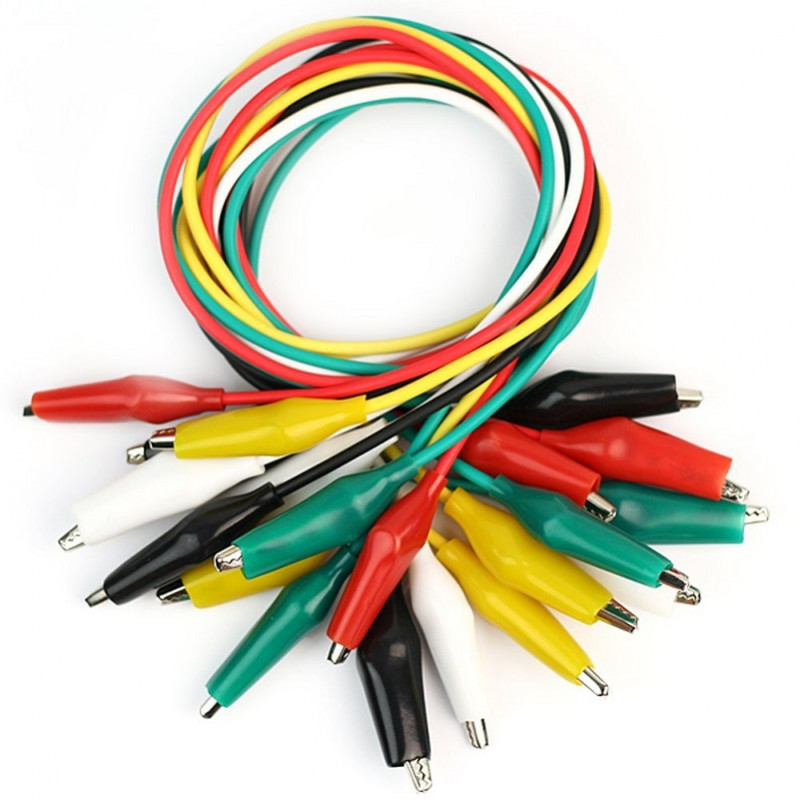
Crocodile clips
Crocodile clips
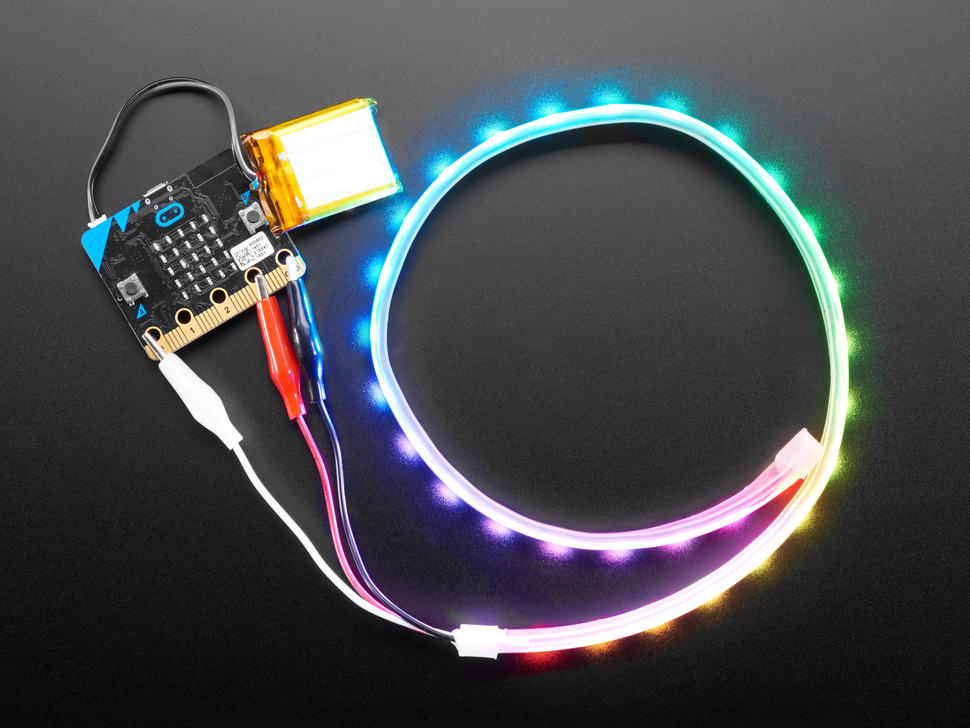
LED Strip with crocodile clips
Microbit
Microbit
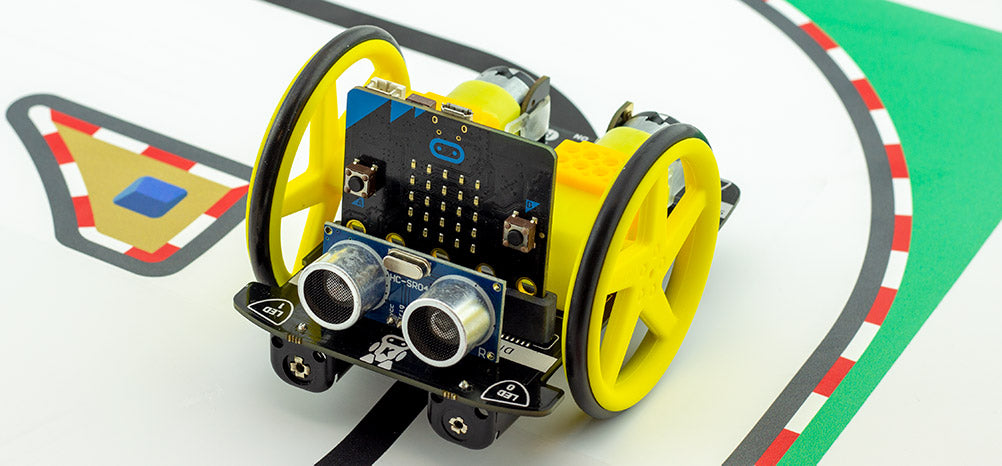
Move Motor Car
Move Motor Car
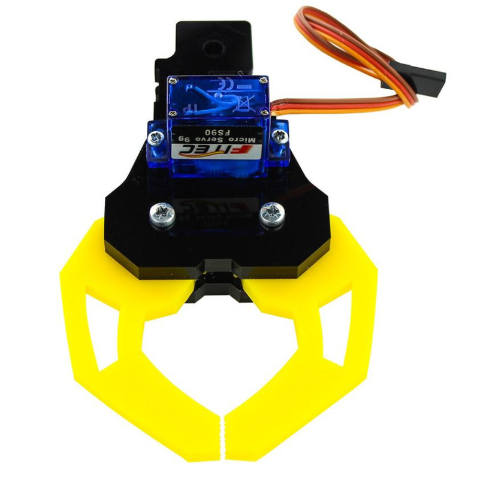
Move Motor Klaw
Move Motor Klaw
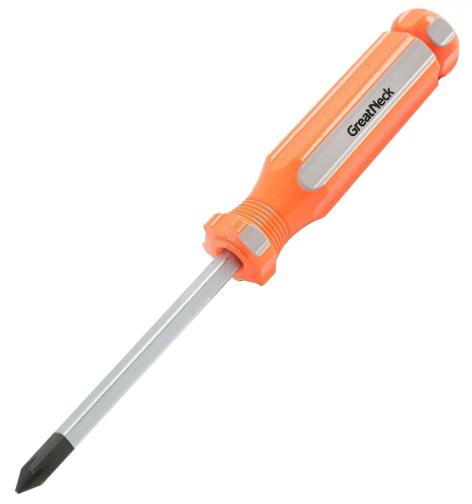
Phillips Screwdriver
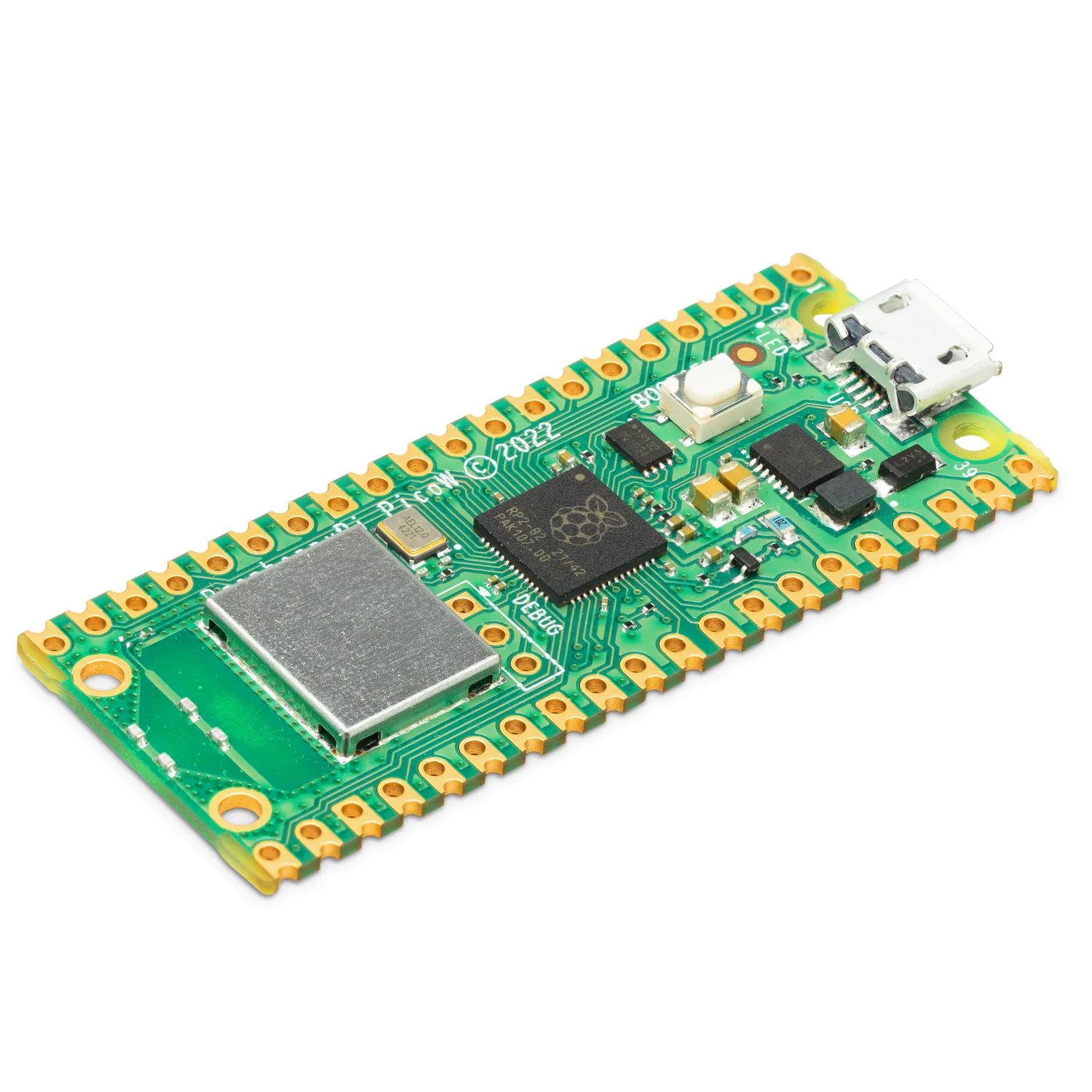
Raspberry Pi PICO W
Raspberry Pi PICO W
Some fruit & vegetables
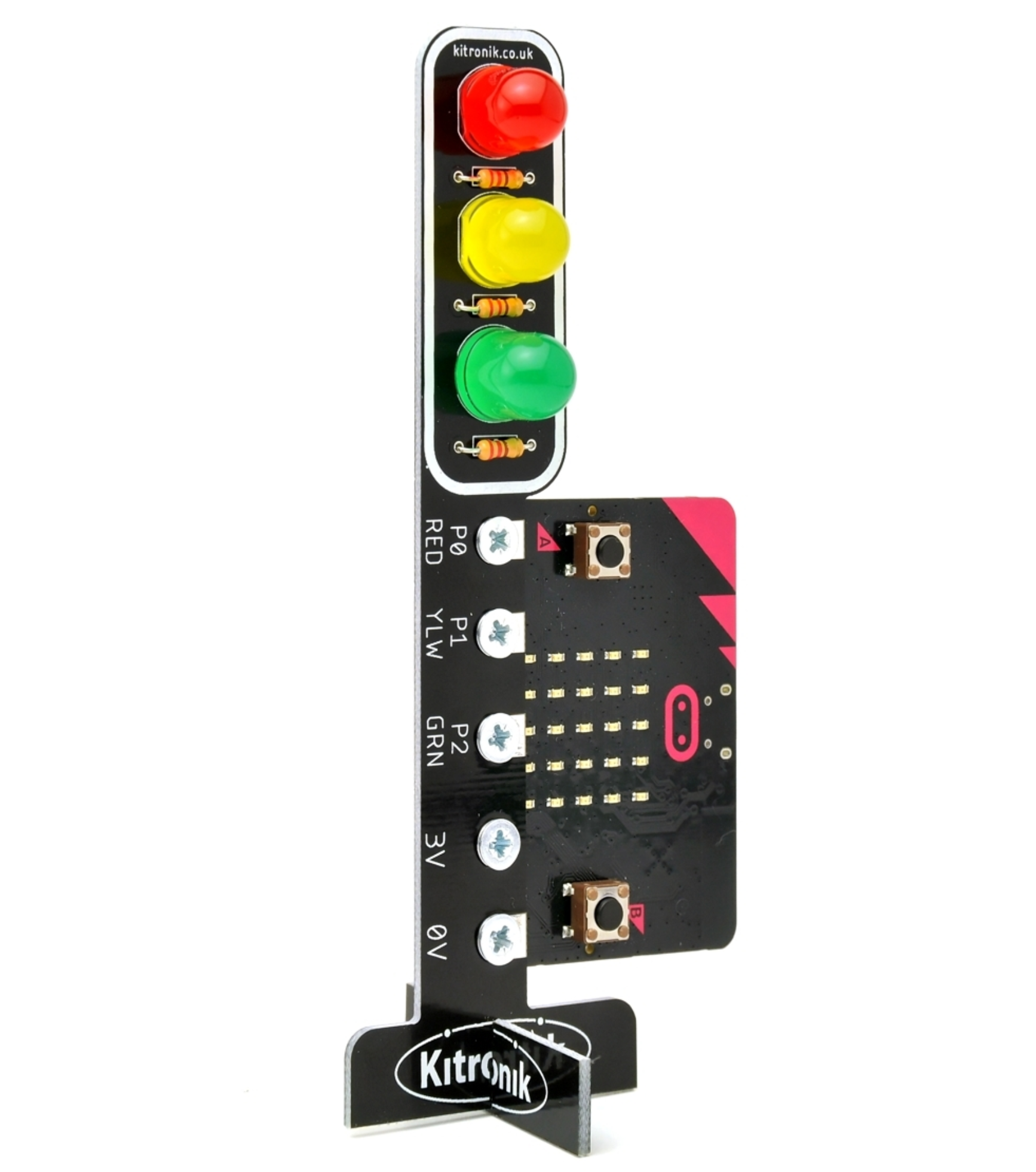
Traffic Lights Kit
Traffic Lights Kit
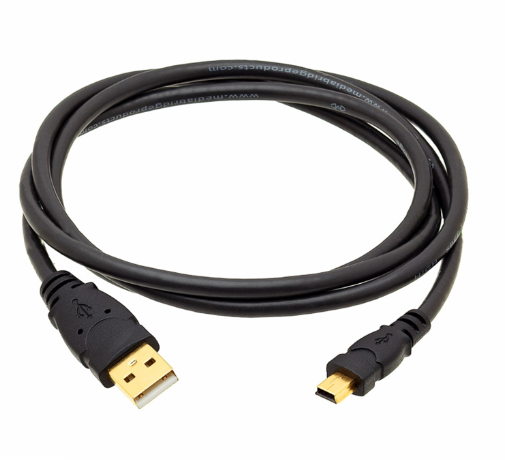
USB Cable
USB Cable

Ready to bring this course to your school?

Get in touch to discuss pricing and ordering for your school.

Ready to get started?
Pricing & Ordering Contact Us
🍪 Our website uses cookies to make your browsing experience better. By using our website you agree to our use of cookies. Learn more