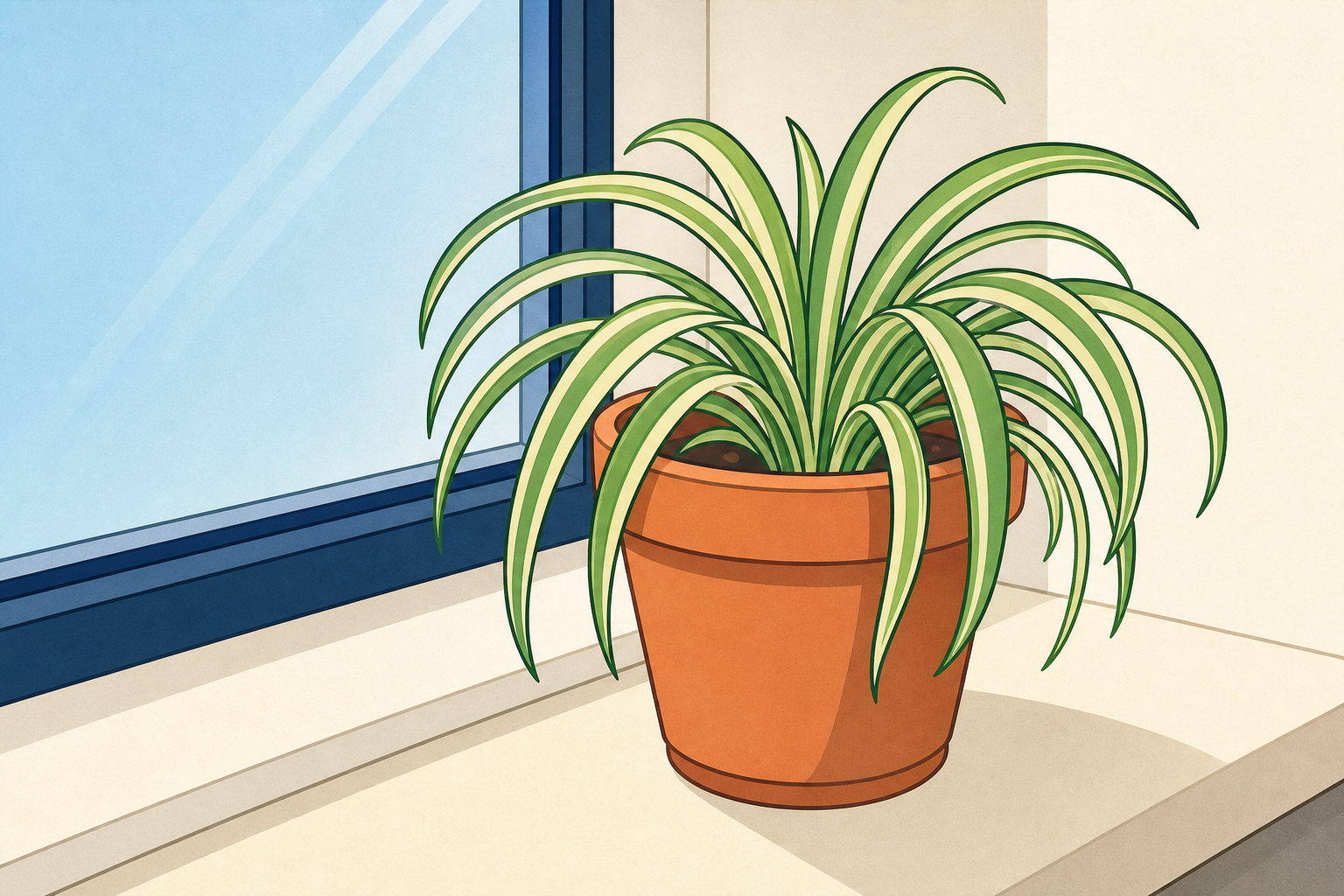
Look around our classroom for a moment. What is one ordinary thing you hardly ever stop to look at?
Today we put on our STEM eyes for science, technology and engineering. Ordinary things hide secrets when we look carefully.
Course scope (say once if asked): This course is STE — science, technology and engineering. STEM eyes is only our class catchphrase for careful noticing. Maths (the M) is not in scope on this walk or in this module.
Keep this beat light. Do not hand out clipboards or stage the walk yet. The goal is curiosity about everyday things hiding in plain sight, especially living things and life-related finds in the school grounds.
Quick warm-up: invite three quick shares of ordinary things pupils barely notice (a plant on the sill, moss on a wall outside the window, a bird feeder, a tree root). Do not correct or deepen yet.
STEM eyes thread: this year we keep looking at home, school and play areas with careful eyes. Today seeds the class question wall.
Watch me use STEM eyes on one living thing near us. Listen for all three while I look carefully:
I notice… It does… How could we find out…?
Teach the idea before the walk. Project only the three sentence starters and the listen cue on the board. Pupils watch until you finish the think-aloud; do not invite answers mid-model. Say the fuller meanings aloud as you model; use the full table yourself.
Course scope: STEM eyes is a handy phrase for careful noticing. Today's focus is science, technology and engineering (STE). Maths may join later noticing, but it is not the focus of this walk.
| Concept | Why it matters | Example |
|---|---|---|
| STEM eyes — looking carefully at the world around us, noticing exactly what is there and what things do, and wondering how we could find out more | Science, technology and engineering all start with careful noticing of ordinary places and living things, not only special experiments | On the school wall you spot soft green moss, notice it grows where the wall stays damp, and wonder how we could find out whether moss likes wet or dry places |
| How could we find out? — turning a wonder into a simple question the class could try to answer by watching, trying or asking | A wonder stays a thought; a find-out question can become a real investigation later in the year | "I wonder why birds visit that feeder" becomes "How could we find out which foods bring birds to a feeder?" |
Use a living or life-related find first so the demo matches this living-things module. Stand by a classroom plant, or look through the window at a tree, mossy wall or bird feeder. Think aloud the full cycle so pupils hear every beat. Fold notice into the first line rather than teaching it as a third label:
Optional quick second beat (only if time): one line on a non-living school object (door hinge: it lets the door swing) so pupils see STEM eyes work on hardware too — keep it under 30 seconds; the full three-line model stays on the living example.
Misconception to head off: STEM is not only labs, robots or big machines. Today STEM eyes means careful noticing of ordinary school things, starting with living things and life-related finds. Also, "how could we find out?" is a plan for later, not a full investigation today.
After you finish the model (now it is their turn): Who can point to another ordinary classroom object or living thing and try the three lines: I notice… It does… How could we find out…?
Reveal the lesson sequence after the model (short spoken beats, not a dense board dump): we will walk a short school path together, each find one interesting thing (living things welcome), then back in class write what we noticed, what it does, and one find-out question for our wall.
We are going on a short wonder walk of our school and grounds.
Stay together on the path we agree. Use your STEM eyes. Hunt for one ordinary thing that is doing a job you never noticed. Be ready to say what you noticed, what it does, and one wonder about it. We will write it carefully when we come back.
Lead the whole class as one group along the short fixed loop. Pair or cluster pupils for talk (threes or fours work well), but do not plan for separate outdoor groups each needing an adult. Use extra adults only if they happen to be present. Keep the line in sight. Pause at only one or two spotting points you already chose; do not free-roam or stop at every object.
Handwash and coats should be underway by the time you re-enter; full journal settle continues in the next step.
Give each pupil a clipboard with their Investigation Journal page and a pencil before you leave, or hand them out at the door if that is calmer.
Guiding questions while you circulate along the line: What exactly do you notice? What job does it do? What makes you wonder? Could we watch it, try something gentle, or ask someone later?
Good finds for this age (lead with living things and school grounds life): moss on a wall, a tree root lifting a path, weeds in a crack, a bird feeder, insects under a log (look only), a puddle with plant debris, then school hardware if needed (a drain, a hinge, a bin lid, a ramp, a gate latch, a radiator).
Keep it simple: one strong notice each is enough. They sketch or jot lightly outdoors if dry; the careful journal writing happens back in class.
Touch: optional and gentle only when clearly safe (for example radiator warmth back inside, or a dry ramp surface). Never touch unknown plants, spiky growth, drains, litter, soil in the mouth area, or minibeasts that must be left alone. Sight and careful listening do most of the work on this walk.
Safety: walk, do not run; stay inside the boundary; do not pick unknown plants, poke drains, or climb; wash hands on return if anything outdoor was handled.
Your find is worth keeping — capture it so our class can use the question later.
Back inside, finish settling. On your Investigation Journal page, record one thing from the walk.
Write or draw: I noticed… It does… and How could we find out…? (turn your wonder into a simple question).
This is the in-lesson paper recording beat. Do not set the Investigation Journal page as homework.
Suggested timing inside this 10-minute beat: finish handwash and coats (started on the walk return), settle with journals (about 3–4 minutes); then one complete notice / it does / find-out question on the page (about 6–7 minutes). If the class is still settling after 4 minutes, shorten to one strong drawn find plus a spoken find-out question to a partner, then write the question only.
Do not invent extra columns or boxes on the journal page; the page is generated from the lesson. Tell pupils what to record, not where each line sits. The printable is this lesson's Investigation Journal page.
Support: sentence starters on the board: "I noticed…" "It does…" "How could we find out…?" Pair a less confident writer with a talk partner first, then both record.
Stretch: add one more detail about where they found it (path, yard, corridor) or a second find-out idea (watch it, try something gentle, ask the caretaker).
Look-fors: a real object from the walk (not a generic guess); a job or action named in plain words; a question that could lead to watching, trying or asking later, not only "because it's cool".
Senses reminder: most recording will come from what they saw or heard. Touch was only if you allowed a safe gentle check outdoors; do not send anyone back out to touch plants, drains or litter.
When most pupils have one complete set of three lines, move on. Sticky notes for the wall come in the next step.
First job: each pair writes one how could we find out? question on a sticky note for our class wall.
While a few of us share a full find, listen for this: could we watch it, try something gentle, or ask someone? We are collecting good questions, not choosing a winner.
Whole-class share, kept tight so the wall still happens without a crush at one strip.
Suggested path inside 6 minutes:
If time is slipping: skip the second full share and go straight to rolling pin-up; you can revoice watch / try / ask as notes go up.
Draw out while notes go up (keep it to short teacher revoices, not a new discussion):
Keep for the year: leave the wall up if you can. Later lessons can pull a question when it fits. Do not promise every question will be investigated this week.
Misconception: a wonder is not "wrong" if we cannot answer it today. STEM eyes collect good questions as well as answers.
You're previewing this lesson. Get full access to this lesson and hundreds more — each one ready to teach, with interactive activities, printable resources and pupil progress tracking built in.