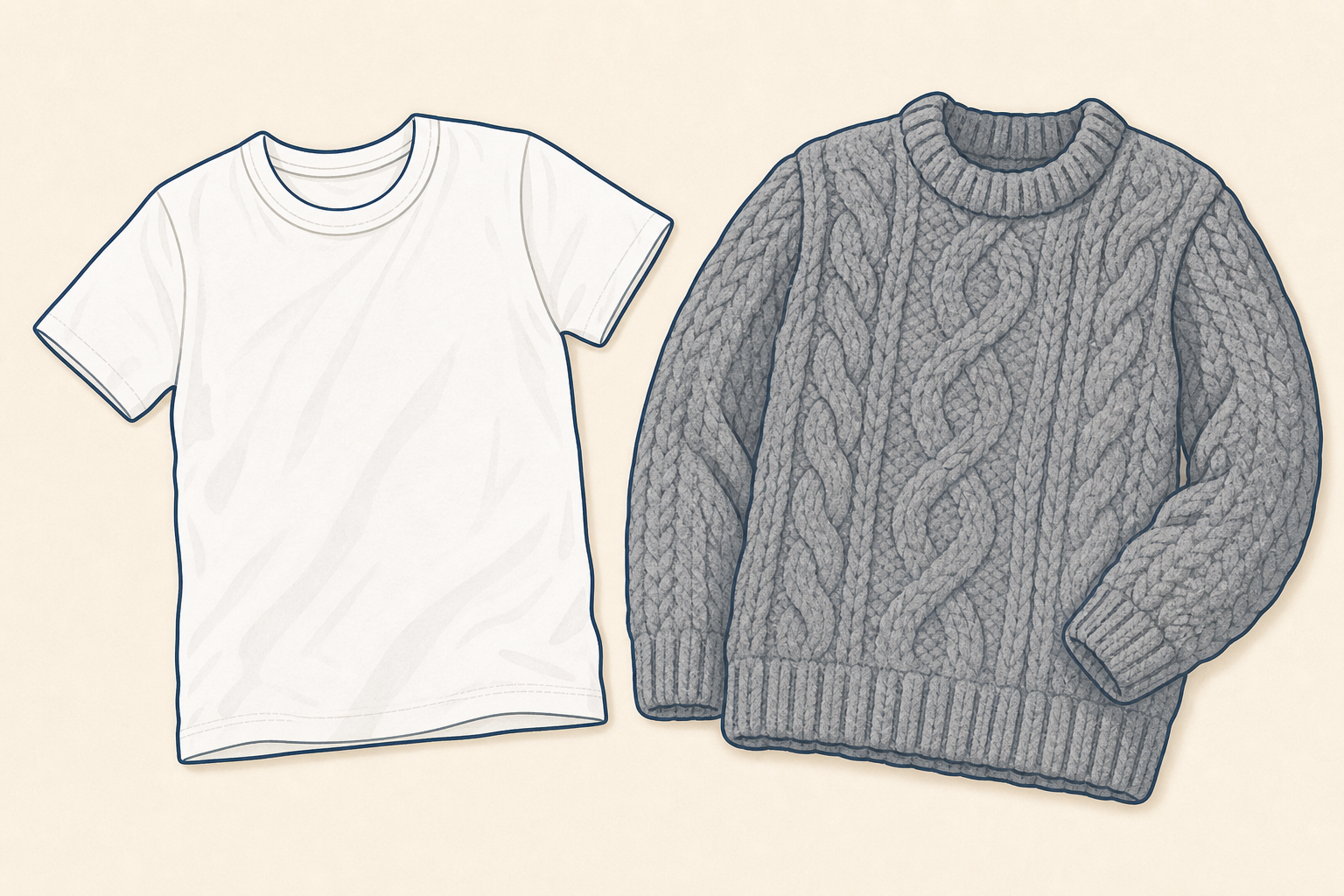
On a cold Irish morning, which keeps you warmer: a thin T-shirt or a thick wool jumper? Why do you think that is?
Today we will test which materials keep warmth in longest, using a fair test you already know how to plan.
Hold up a thin scrap of fabric and a thick wool scrap (or a sock). Ask for quick hands-up guesses which would keep a warm drink warmer, and why. Do not name conductor or insulator yet, and do not lay out the full cup kit in this beat.
Keep the hook light: curiosity only. Apparatus comes out in the plan and experiment steps.
Optional one-line link: hot-water cylinders and attic lagging use the same idea as a good jacket.
Some materials are heat insulators: they slow heat leaving, like a thick wool jumper on a cold yard day. That is what we will test today: which wraps keep warmth in better.
The opposite idea is a heat conductor: heat passes through it easily, like a thin metal spoon in a warm drink that soon feels warm in your hand. We will not test metal spoons today, but we can use the word when a wrap behaves more like a leavers than a keeper.
We already know a fair test: change one thing, measure one thing, keep the rest the same.
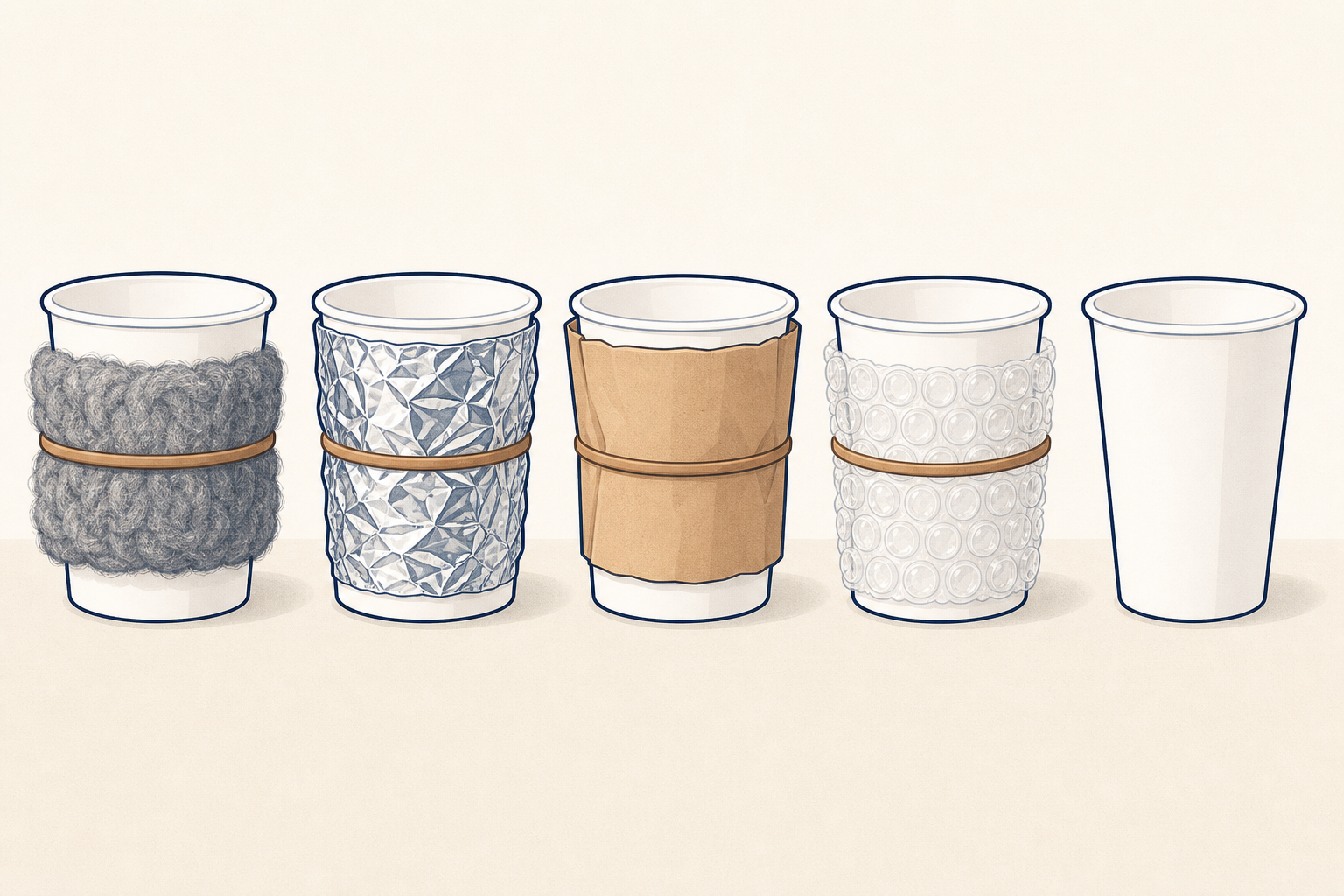
Today we will wrap cups in wool, foil, paper or bubble wrap, or leave one bare. Which wrapping do you think will keep warm water warm longest?
| Concept | Why it matters | Example |
|---|---|---|
| Heat insulator — a material that slows heat leaving, so warmth stays in longer | Insulators help jackets, blankets and hot-water cylinders keep useful warmth where we want it | Wool, fleece and bubble wrap trap air and often keep a cup warmer longer in class tests |
| Heat conductor — a material that lets heat pass through easily | Knowing conductors helps us choose handles, pans and wraps that do not waste warmth in the wrong place | A thin metal spoon in a warm drink soon feels warm in your hand; foil is metal, so if it is tight with little trapped air it can let heat leave faster than wool |
| Fair test — change one thing, measure one thing, keep everything else the same | Only a fair test lets us trust that the wrapping, not a different cup or more water, caused the result | Same cups, same water amount, same start warmth, same wait: only the wrapping changes |
Emphasis for this lesson: the investigation ranks better and poorer heat insulators. Name conductor briefly as the useful opposite (metal spoon), then keep the activity language on which wraps keep warmth in. Foil is metal: if it has little trapped air it can act more like a conductor than wool does.
Misconception to head off: children often say foil is always best because it looks shiny and "scientific". Foil can reflect heat in some set-ups, but a thin foil wrap with little trapped air may lose heat faster than wool. Let the evidence decide.
Misconception: "Warmth stays in because the material is magic." Name the idea simply: some materials slow heat leaving; some let it leave faster. Bare cups and thin paper are usually poorer insulators, not true conductors like metal.
Modelled cycle (say aloud, do not project as a script): I wonder which wrap keeps water warm. I predict wool, because jumpers keep me warm. I will change only the wrapping, measure how warm each cup feels after the same wait, and keep cup, water amount and start warmth the same. After the wait I will rank the cups. I think the woollen cup will still feel warmest, so wool is acting as a better insulator here.
Our question: Which wrapping keeps warm water warm longest?
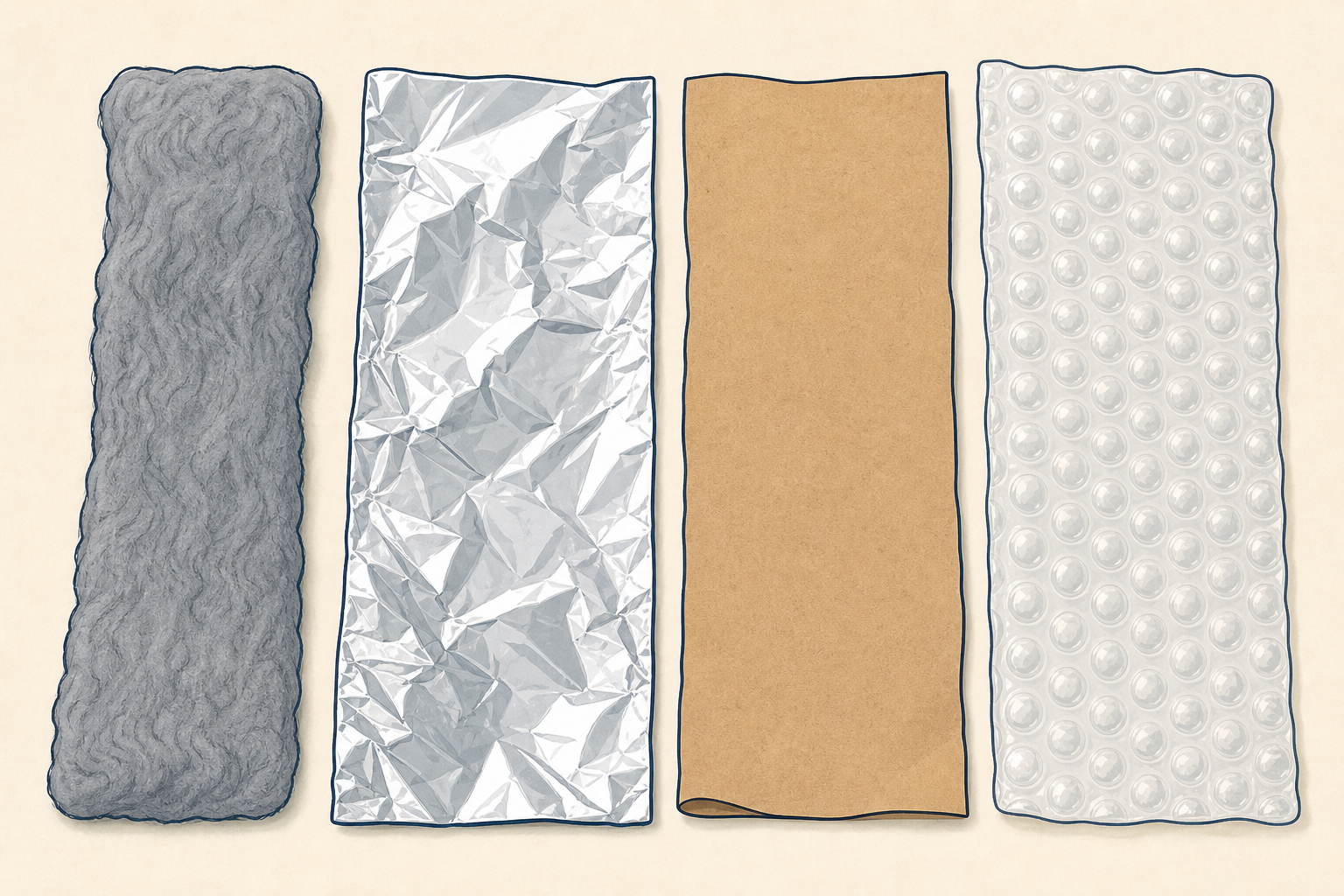
The wraps we will test are: wool, foil, paper, bubble wrap, and bare (no wrap).
Whisper to your partner which wrapping you think will win, and one reason why. Think about thickness, fluffiness or trapped air. Be ready to share.
Agree the question on the board exactly as written. Keep the five options visible while partners talk. Take three or four spoken predictions with reasons. Predictions are never wrong; they start the science.
Prompt stems: I think … will stay warmest because …
If someone only names a material with no reason, ask what about that material might slow heat leaving (thickness, fluffiness, trapped air, thinness).
Pupils may jot their prediction on the Investigation Journal page when you move to planning; do not invent extra sheets.
We already know how to plan a fair test. Five cards appear: wrapping material, how warm the water stays, the cup, amount of water, and wait time.
Call out where each belongs: Change, Measure, or Keep the same. Then complete the planning part of your Investigation Journal page.
Open the fair-test-planner interactive on the IWB in explore mode. The five variable cards must match the list below exactly.
Narrate each keep-the-same card: if one cup is bigger, or has more water, or waits longer, the test is no longer fair.
Starting warmth: when you place "amount of water", say clearly that every cup is filled from the same warm jug to the same mark, so every cup starts equally warm. Starting warmth is kept the same even though it is not a separate card.
Bounded choice for groups later: they do not invent a new question today. They may help choose the shared wait time (for example 6 or 7 minutes) and the order they will check the cups.
Pupils fill the planning part of the paper Investigation Journal page while you lock the class plan on the board.
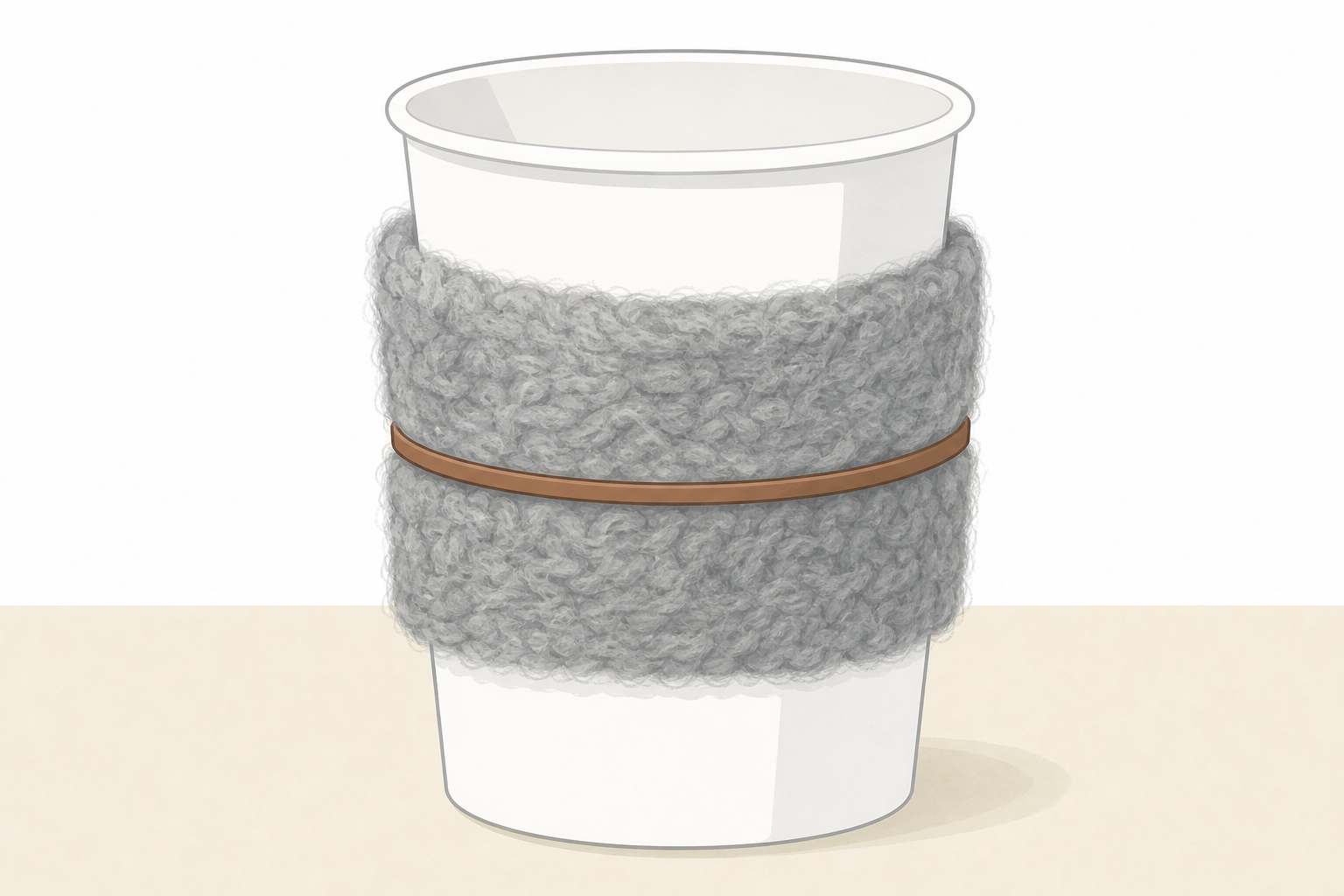
Your group will wrap identical cups in different materials: wool, foil, paper, bubble wrap, and one bare cup with no wrap. Hold each wrap in place with an elastic band or a small piece of tape so it cannot slip.
The teacher pours the same amount of warm water into each cup. Start the wait together when the last cup is filled.
When time is up, unwrap each cup (or peel the wrap down). We need the warmth of the water and the cup wall, not the outside of the jacket. One agreed judge in your group checks every cup with the same hand, in the same order, and ranks each from 5 (still very warm) to 1 (about room temperature). Be ready to share your ranks.
Default (what pupils see on the board): the shared 1–5 hand-feel scale after unwrapping. Announce this once before groups begin. Every group uses the same method so the class chart is comparable.
Only if you chose thermometers before the lesson: do not put both methods on the pupil screen. Instead, tell the class: slide a thermometer into the water from the top (wrap can stay on), read °C, and match the data-recorder column in the next step to Temperature (°C). Still use one agreed reader per group and the same order.
One tray and five identical cups per group. Pre-cut wrapping pieces large enough to cover the sides. Pre-mark a fill line on every cup. Lightly label cups on the base (W, F, P, B, X for bare) so wraps are not mixed up. Give each group elastic bands or tape strips so every wrap stays put for the full wait.
Teacher only pours hand-warm water from one jug. Test with your finger first: comfortably warm, never hot.
Brief science talk on jackets, attic insulation and lagged hot-water cylinders in Irish homes. Same idea as today's wraps: slow heat leaving.
Hand-feel (default): unwrap each cup or peel the wrap down first. The same agreed judge feels the side of the cup (or carefully checks near the water), not the outside of the wool or bubble wrap. Why: a thick insulator often feels cooler on the outside while the water inside stays warmer; touching the jacket would reverse the science.
Ranking scale: agree as a class: 5 still very warm, 3 lukewarm, 1 about room temperature. Same judge, same hand, same order.
If the class uses thermometers: record temperature in °C; slide the probe into the water from the top. Match the data-recorder column header on the board in the next step.
Wool and bubble wrap often stay warmer (more trapped air). Bare and thin paper often cool faster (poorer insulation). Foil results vary with how snugly it is wrapped; treat surprises as useful data. Foil is metal, so with little trapped air it can let heat leave faster than wool. Only materials such as metal clearly act as heat conductors; bare and paper are better described as poor wraps or poorer insulators.
Safety: warm water only; wipe spills at once; no tasting; walk, do not run, near cups.
You're previewing this lesson. Get full access to this lesson and hundreds more — each one ready to teach, with interactive activities, printable resources and pupil progress tracking built in.