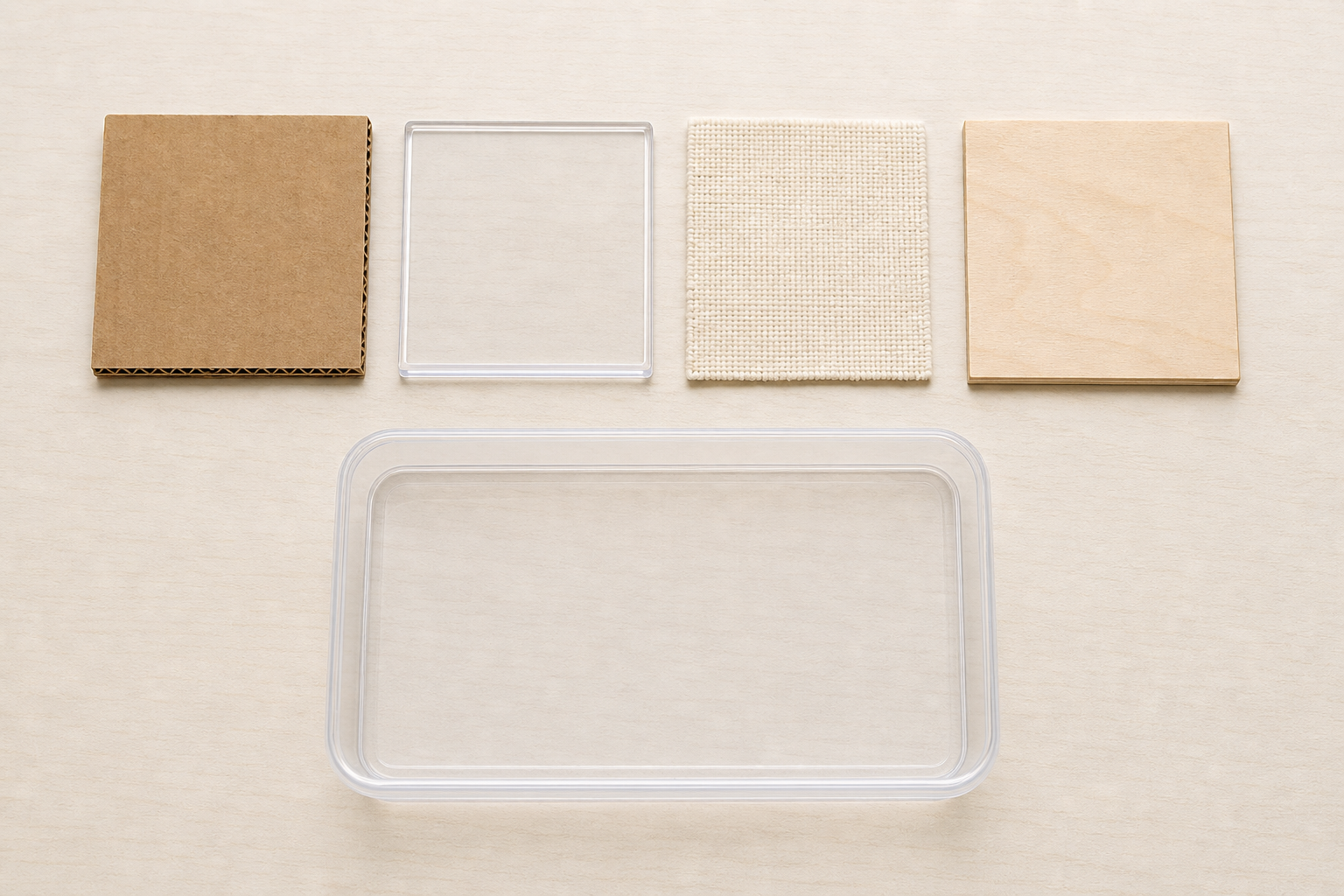
 A design can look clever on paper and still fail in real Irish weather. What if your school-garden shelter soaks through the first time it rains?
Today you will test materials first, then choose which ones earn a place in a build. Hands up: which matters more for a shelter roof, looking smart, or staying dry?
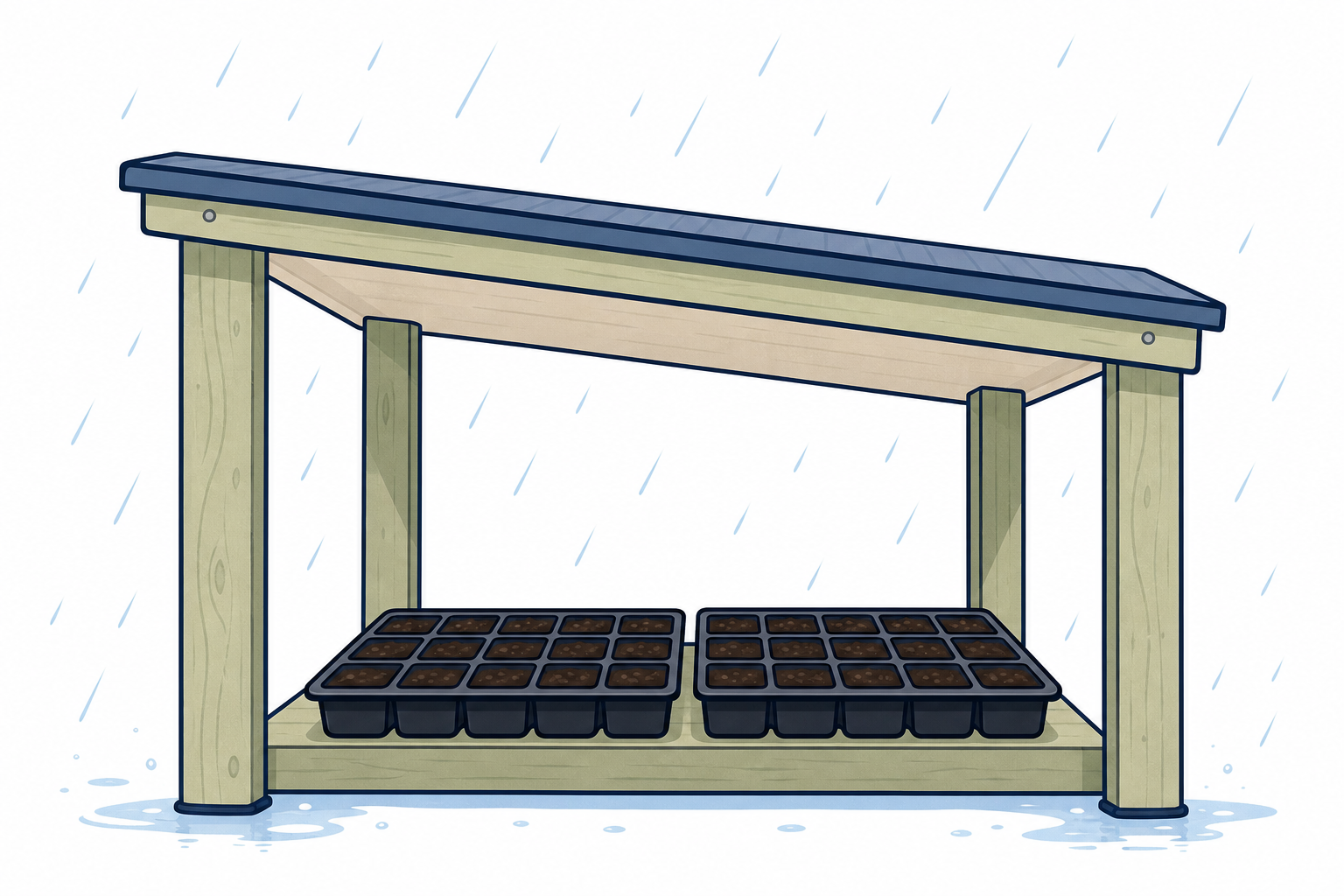 Our brief: build a small outdoor shelter for school-garden seed trays. It must stay dry in Irish rain, stand steady, and use materials we can cut and join.
That job description is our design brief. The features of a material we can test are its properties. When we pick a material, we must justify the choice with what our tests showed.
From the brief, which properties does this shelter need?
 The brief needs materials that stay dry, hold their shape and carry a load. So we will run three quick tests on each sample: a water test, a bend test, and a load test.
We will change only the material. What must stay the same so the comparison is fair?
Before you touch the tray, say which material you think will stay driest, and which will hold a load best. Note that prediction on your Investigation Journal page so you can check it against your results later.
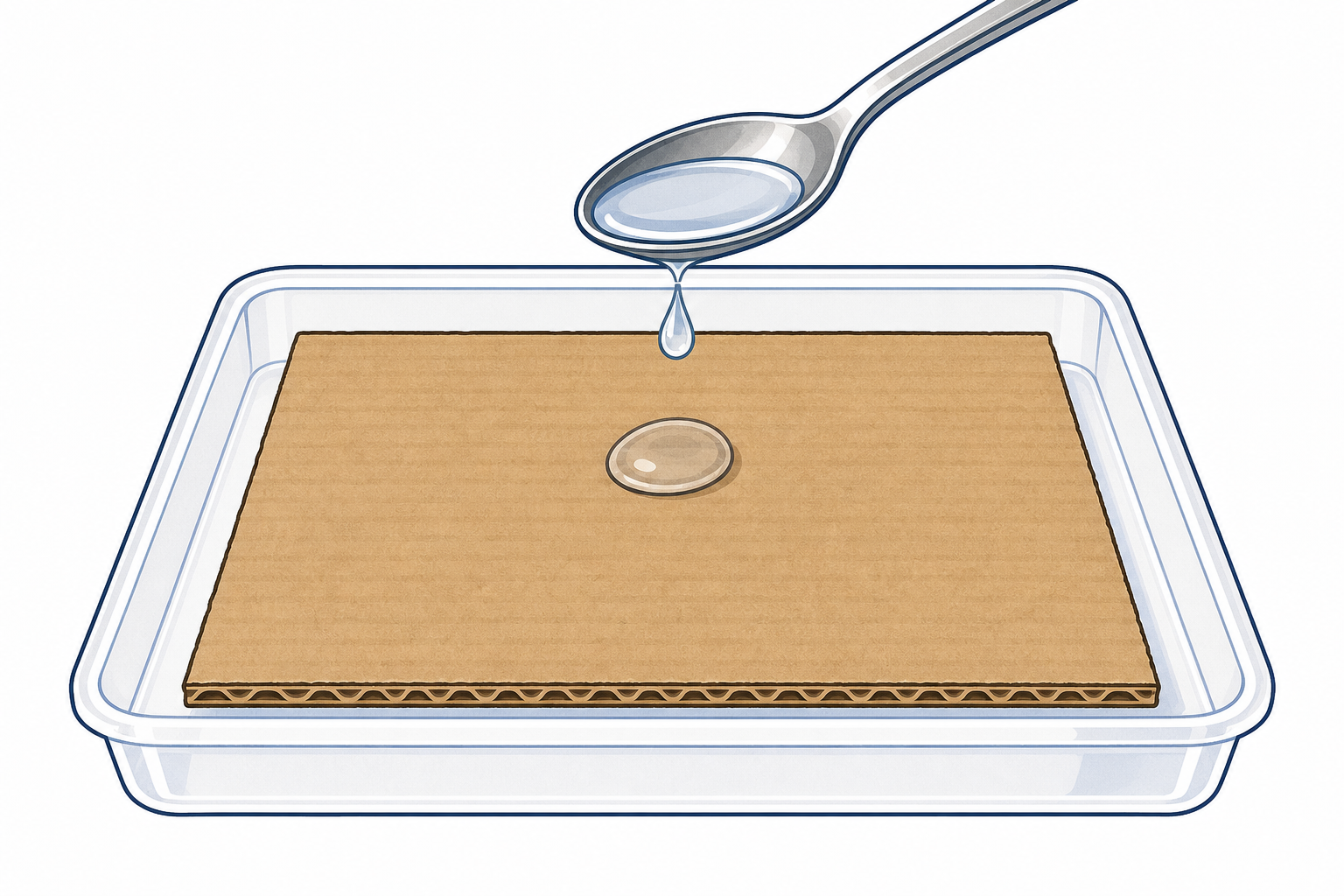
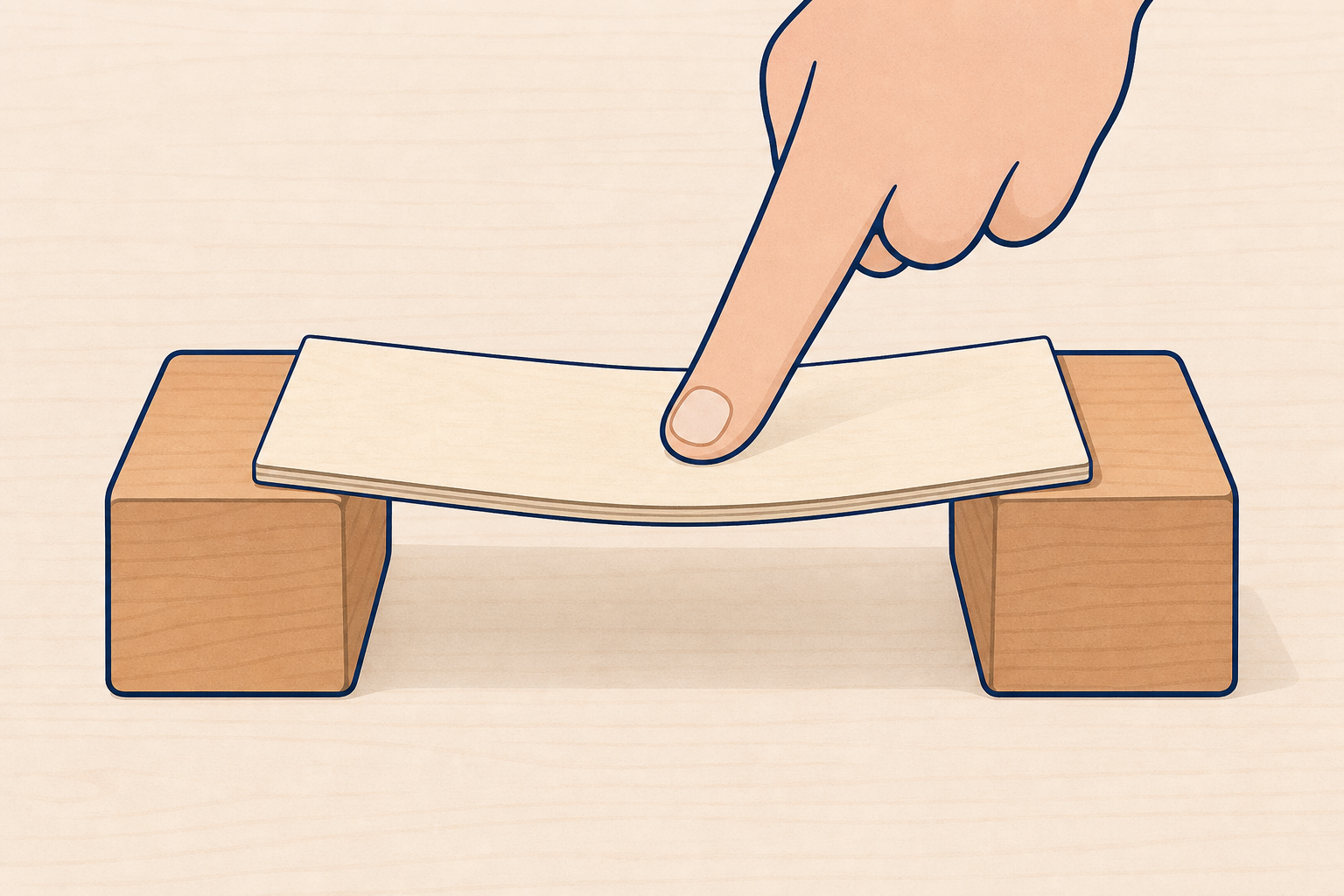
 In your group, test the four samples on your tray. Work through one test at a time. Finish that test on every sample before you start the next test.
Write every result on your Investigation Journal page as you go.
First, the water test on every sample: Over the tray, drip the same three drops onto the top. Does water sit on top, soak in, or run through? Record it.
Next, the bend test on every sample: Gently flex the sample. Does it bend easily, hold its shape, or crack? Record it.
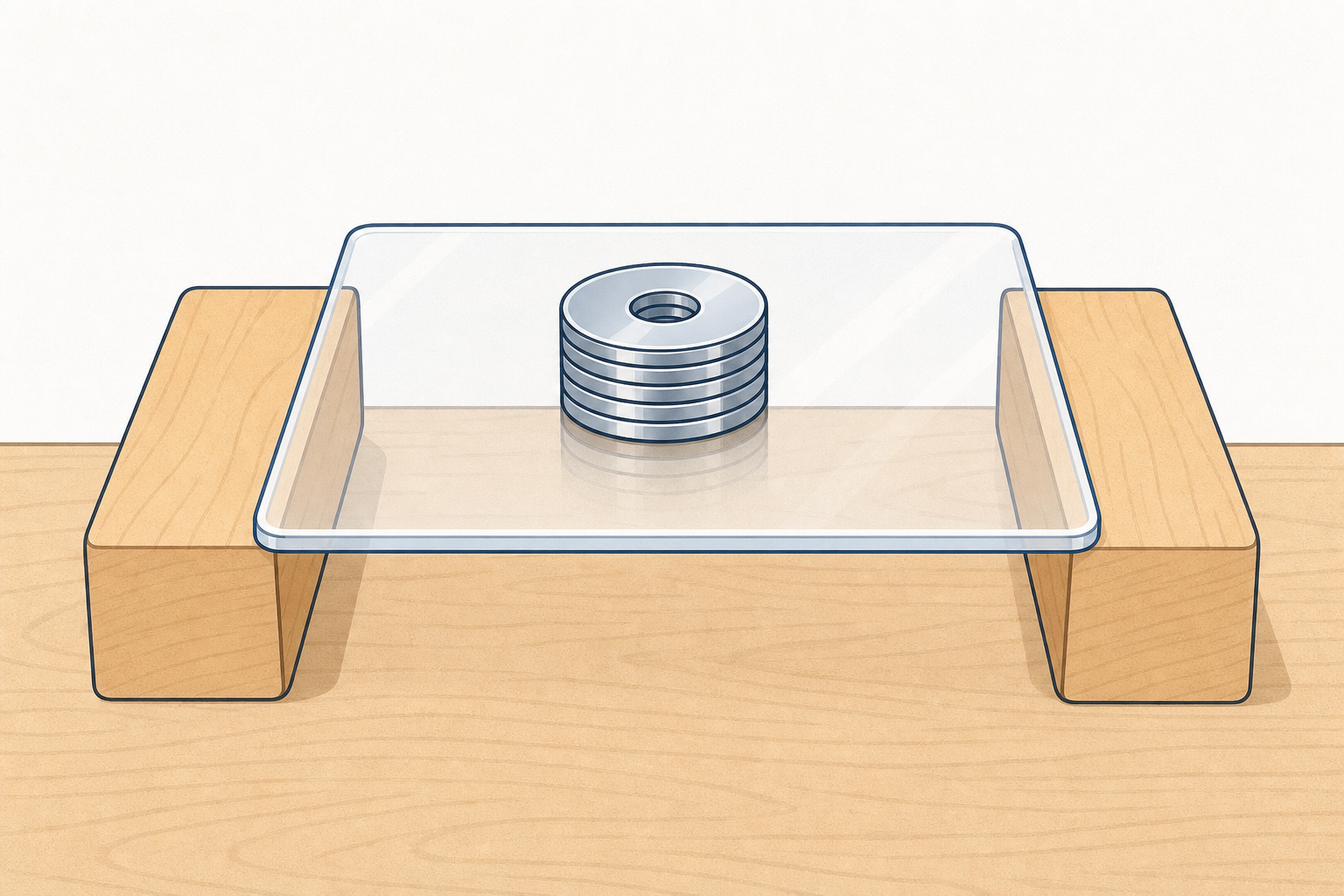
Last, the load test on every sample: Rest the sample across two books about 6 cm apart and add washers one at a time in the middle. Record how many it held before it sagged or failed.
Careful results on fewer samples beat half-finished rows. If time is tight, finish water and load on at least three materials well.
Stay on the same Investigation Journal page where you wrote your test results in the last step.
Finish any result rows you still need. Then choose materials for the shelter: one for the roof, one for the sides or base, and one you would not use. For each choice, write a short why that uses the test evidence already on your page.
Unlock the full learning experience
You're previewing this lesson. Get full access to this lesson and hundreds more — each one ready to teach, with interactive activities, printable resources and pupil progress tracking built in.
This lesson is copyright of Coding Ireland 2017 - 2025. Unauthorised use, copying or distribution is not allowed.