Click any lesson with to preview it
This module provides a comprehensive introduction to core concepts in computer science. It covers essential topics such as computer systems, algorithms, data structures, and number systems, alongside practical skills using tools like MakeCode for micro:bit. Students will also explore ethical issues, internet technologies, and future trends in computing.
| Introduction | ||
| Introduction to Computer Systems | Quiz | |
| Algorithms and Pseudocode | ||
| Introduction to Algorithms | Quiz | |
| Flowcharts and Pseudocode | Quiz | |
| Introduction to Data Structures | Quiz | |
| Basic Sorting and Searching | Quiz | |
| Data, Logic and Numbers | ||
| Data Representation | Quiz | |
| Logic Gates and Boolean Algebra | Quiz | |
| Decimal, Binary and Hexadecimal | Quiz | |
| Problem Solving | ||
| Systematic Problem-Solving | Quiz | |
| Power of Computing in Solutions | Quiz | |
| Heuristics | Quiz | |
| Networking and Society | ||
| Digital vs. Analogue Input | Quiz | |
| The Internet and Web Technologies | Quiz | |
| Ethical and Social Issues in Computing | Quiz | |
| Future Trends in Computing | Quiz | |
This module offers a comprehensive foundation in programming with Python, focusing on practical applications using the Micro:bit platform. Through structured lessons, learners will explore fundamental concepts such as syntax, variables, control structures, and data manipulation, while engaging in hands-on projects like creating games, sensors, and interactive devices.
| Python Basics | ||
| Getting Started with Python | Quiz | |
| Variables and Data Types | Quiz | |
| Control Structures | Quiz | |
| Functions and Modules | Quiz | |
| String Manipulation | Quiz | |
| Lists and Tuples | Quiz | |
| Python Projects | ||
| Step Counter Pedometer | Quiz | |
| Rock-Paper-Scissors Game | Quiz | |
| Digital Dice Roller | Quiz | |
| Compass Navigator | Quiz | |
| Light Clapper | Quiz | |
| Reaction Time Tester Game | Quiz | |
| Radio Messaging Network | Quiz | |
| Swing Force Logger | Quiz | |
| Sound Sampler and Playback Device | Quiz | Challenge |
This module provides a comprehensive exploration of fundamental computing concepts and technologies. It covers CPU and memory architecture, operating system layers, network protocols and infrastructure, and the theoretical foundations of Turing machines and computability. Through theoretical insights and practical exercises, students gain a solid understanding of computer systems and networking principles.
| Hardware and OS | ||
| CPU and Memory Architecture | Quiz | |
| Operating Systems Layers | Quiz | |
| Networking | ||
| Network Protocols and Infrastructure | Quiz | |
| Turing Machines and Computability | Quiz | |
This module provides a comprehensive exploration of software development methodologies and testing practices. It covers structured and iterative design processes, modelling techniques using Python, and advanced debugging strategies with tools like Flask and SQLite. Students will also evaluate software outcomes and enhance their skills through practical projects and reflective activities.
| Design Processes | ||
| Staged Design | Quiz | |
| Iterative Design | Quiz | |
| Comparing Staged and Iterative Processes | Quiz | |
| Modelling in Design | Quiz | |
| Testing and Evaluation | ||
| Advanced Debugging and Testing | Quiz | |
| Testing and Evaluation | Quiz | |
This module examines the intersection of moral principles, societal impacts, and cutting-edge advancements in technology. Through lessons on computing ethics, inclusive design, artificial intelligence fundamentals, emerging trends, and automation, students will analyse real-world implications, reflect on ethical dilemmas, and develop critical thinking to navigate the responsible use of technology.
| Ethical and Social Impacts | ||
| Ethics in Computing | Quiz | |
| Adaptive Technology and UX | Quiz | |
| Emerging Trends | ||
| AI and Machine Learning Basics | Quiz | |
| Emerging Trends in AI and Computing | Quiz | |
| Automation | Quiz | |
This module guides students through the development of interactive information systems via a structured, hands-on approach. It covers essential stages including project planning, user needs analysis, database and backend creation, frontend design, and final testing with documentation. Collaborative tasks and ethical considerations are emphasised to ensure practical, user-focused outcomes.
This module provides a comprehensive introduction to core concepts in computer science. It covers essential topics such as computer systems, algorithms, data structures, and number systems, alongside practical skills using tools like MakeCode for micro:bit. Students will also explore ethical issues, internet technologies, and future trends in computing.
| Introduction | ||
| Introduction to Computer Systems | Quiz | |
| Algorithms and Pseudocode | ||
| Introduction to Algorithms | Quiz | |
| Flowcharts and Pseudocode | Quiz | |
| Introduction to Data Structures | Quiz | |
| Basic Sorting and Searching | Quiz | |
| Data, Logic and Numbers | ||
| Data Representation | Quiz | |
| Logic Gates and Boolean Algebra | Quiz | |
| Decimal, Binary and Hexadecimal | Quiz | |
| Problem Solving | ||
| Systematic Problem-Solving | Quiz | |
| Power of Computing in Solutions | Quiz | |
| Heuristics | Quiz | |
| Networking and Society | ||
| Digital vs. Analogue Input | Quiz | |
| The Internet and Web Technologies | Quiz | |
| Ethical and Social Issues in Computing | Quiz | |
| Future Trends in Computing | Quiz | |
This module offers a comprehensive foundation in programming with Python, focusing on practical applications using the Micro:bit platform. Through structured lessons, learners will explore fundamental concepts such as syntax, variables, control structures, and data manipulation, while engaging in hands-on projects like creating games, sensors, and interactive devices.
| Python Basics | ||
| Getting Started with Python | Quiz | |
| Variables and Data Types | Quiz | |
| Control Structures | Quiz | |
| Functions and Modules | Quiz | |
| String Manipulation | Quiz | |
| Lists and Tuples | Quiz | |
| Python Projects | ||
| Step Counter Pedometer | Quiz | |
| Rock-Paper-Scissors Game | Quiz | |
| Digital Dice Roller | Quiz | |
| Compass Navigator | Quiz | |
| Light Clapper | Quiz | |
| Reaction Time Tester Game | Quiz | |
| Radio Messaging Network | Quiz | |
| Swing Force Logger | Quiz | |
| Sound Sampler and Playback Device | Quiz | Challenge |
This module provides a comprehensive exploration of fundamental computing concepts and technologies. It covers CPU and memory architecture, operating system layers, network protocols and infrastructure, and the theoretical foundations of Turing machines and computability. Through theoretical insights and practical exercises, students gain a solid understanding of computer systems and networking principles.
| Hardware and OS | ||
| CPU and Memory Architecture | Quiz | |
| Operating Systems Layers | Quiz | |
| Networking | ||
| Network Protocols and Infrastructure | Quiz | |
| Turing Machines and Computability | Quiz | |
This module provides a comprehensive exploration of software development methodologies and testing practices. It covers structured and iterative design processes, modelling techniques using Python, and advanced debugging strategies with tools like Flask and SQLite. Students will also evaluate software outcomes and enhance their skills through practical projects and reflective activities.
| Design Processes | ||
| Staged Design | Quiz | |
| Iterative Design | Quiz | |
| Comparing Staged and Iterative Processes | Quiz | |
| Modelling in Design | Quiz | |
| Testing and Evaluation | ||
| Advanced Debugging and Testing | Quiz | |
| Testing and Evaluation | Quiz | |
This module examines the intersection of moral principles, societal impacts, and cutting-edge advancements in technology. Through lessons on computing ethics, inclusive design, artificial intelligence fundamentals, emerging trends, and automation, students will analyse real-world implications, reflect on ethical dilemmas, and develop critical thinking to navigate the responsible use of technology.
| Ethical and Social Impacts | ||
| Ethics in Computing | Quiz | |
| Adaptive Technology and UX | Quiz | |
| Emerging Trends | ||
| AI and Machine Learning Basics | Quiz | |
| Emerging Trends in AI and Computing | Quiz | |
| Automation | Quiz | |
This module guides students through the development of interactive information systems via a structured, hands-on approach. It covers essential stages including project planning, user needs analysis, database and backend creation, frontend design, and final testing with documentation. Collaborative tasks and ethical considerations are emphasised to ensure practical, user-focused outcomes.
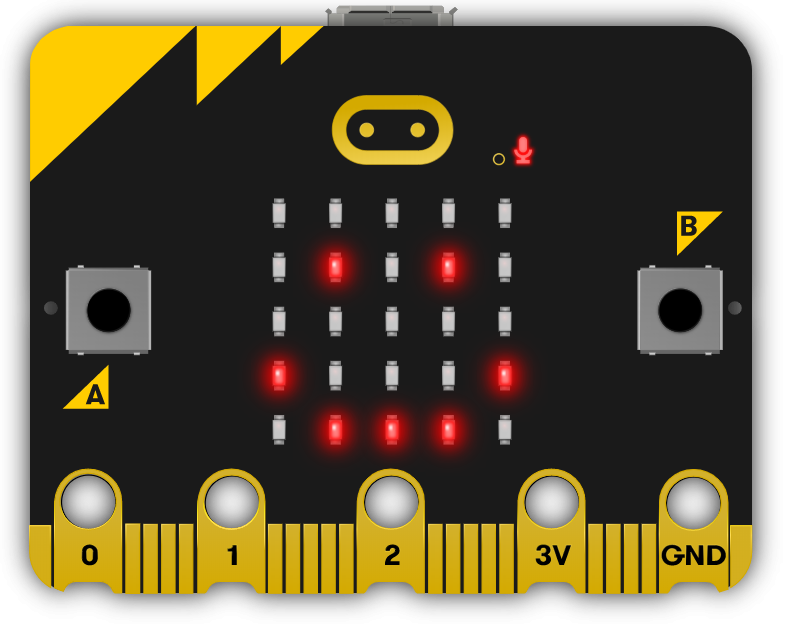
Students will need one of these devices. Students can share in groups of 2-3 if necessary.
Equipment used in some of the lessons in this course. Items can be shared among students.
Get in touch to discuss pricing and ordering for your school.