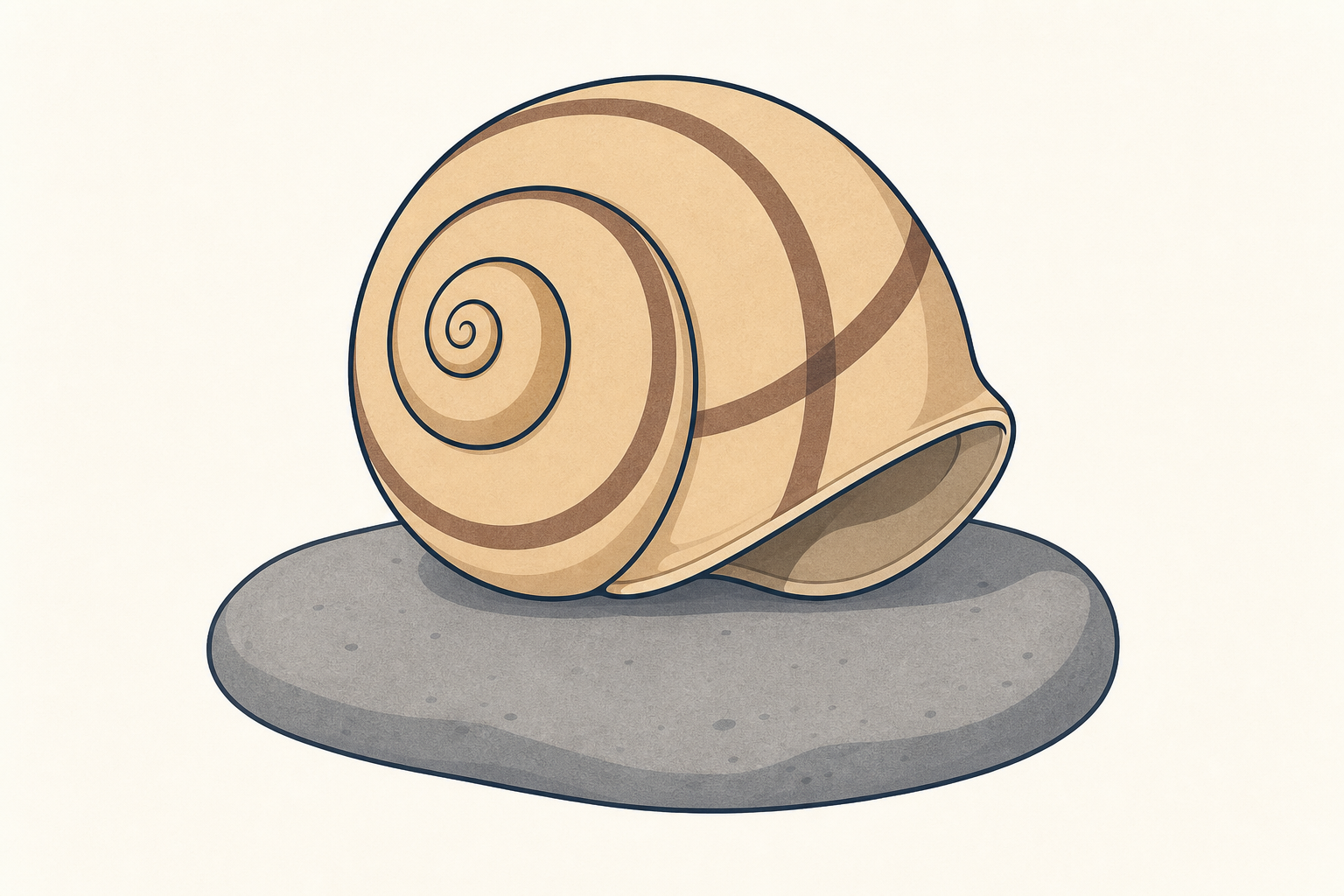
Look what I found in the yard this morning. Take a quiet look. What do you notice?
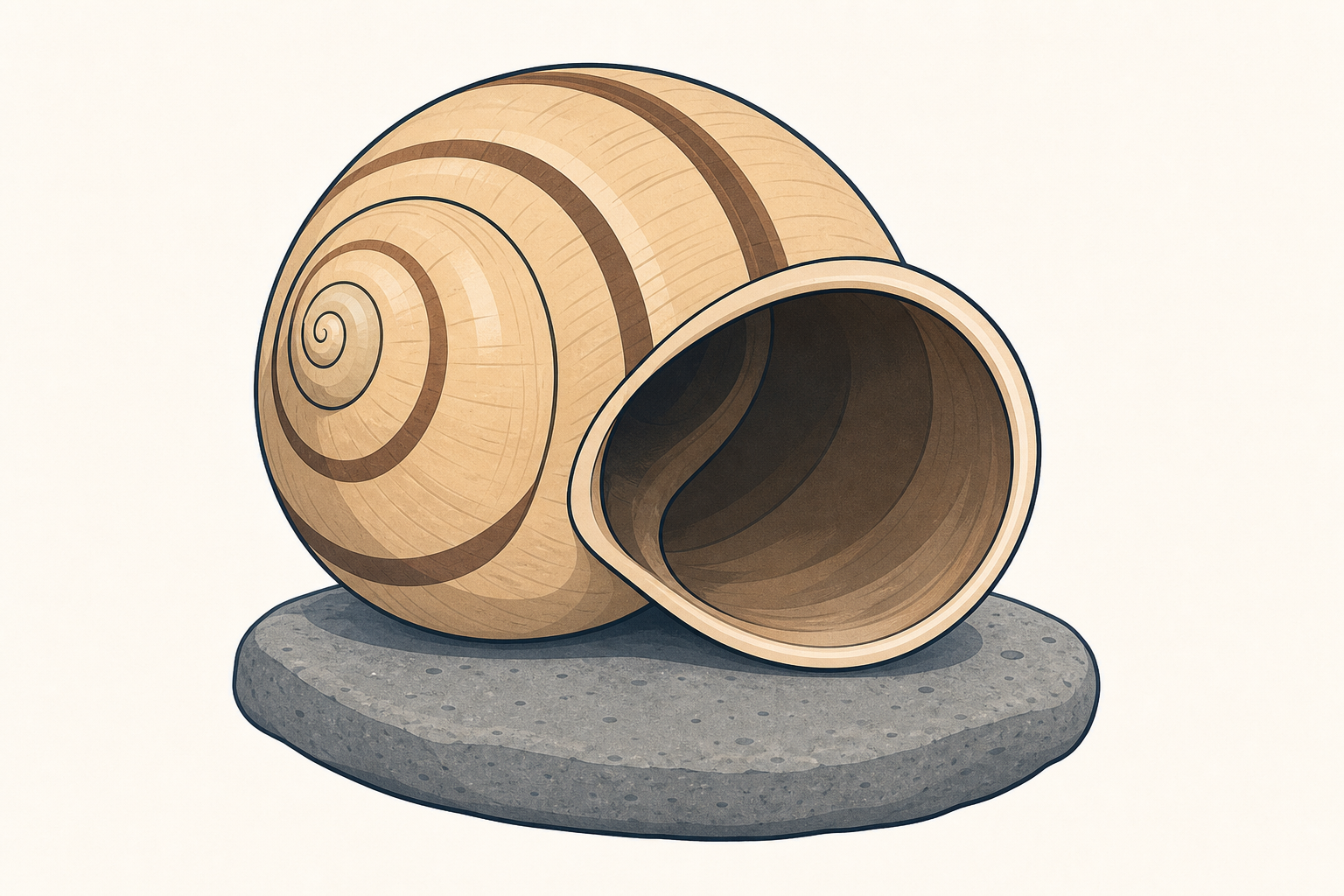
Hold up one everyday outdoor find from the school grounds (a leaf with holes, a damp stone, a feather, or a pine cone). Keep the hook light: show the object, pause, and take two or three short notices only. Do not teach the wonder language yet and do not set out the full walk kit.
Key questions: What do your eyes notice? What colour is it? What shape is it?
Teaching tip: Accept every notice warmly. Guesses and half-formed ideas are welcome. Save I wonder why for the next step.
First we notice: we stop and look carefully. Then we ask: I wonder why? Watch me try it with our find. This is the fun part.
Keep the board light. Name noticing as today's idea, then model one short notice-to-wonder cycle with the hook object still in view. Treat I wonder why as a spoken stem the class practises with help, not a second formal definition on screen. Save the scientist and nature-ranger line for the carpet close.
| Concept | Why it matters | Example |
|---|---|---|
| I notice, I wonder why — first stop and look, listen or feel carefully and say what you sense; then ask I wonder why about it | Noticing and wondering is how we start to find things out about the world around us | Looking at a wet leaf and saying, I notice shiny drops of water. I wonder why the leaf is wet? |
Modelled cycle (say aloud, do not write the answer on the board):
Misconception to head off: children may think a wonder question needs a right answer straight away. At this age the skill is asking, not answering. Praise the question itself.
Before the lesson: clear a stretch of existing classroom wall or noticeboard as the class wonder wall (no big sheet to prepare). Have sticky notes or small paper squares ready. Check outdoor boundaries and adult ratios for a short yard walk close to the classroom door. Assign talking partners before the walk (use existing pairs if you already have them). On wet or cold days, plan the indoor-only path (classroom plus porch or corridor by the door). If coat time usually overruns with your class, have coats already on before this carpet section begins.
We are going on a wonder walk in our room and yard. Stay with your talking partner.
Look carefully. When you notice something interesting, whisper it to your partner.
Before you leave the carpet, name talking partners so every child knows who to whisper to. Keep the pupil job tiny at first: look and whisper only. Do not put the paper job on the board yet.
When clipboards come in: hand out clipboards, paper and a pencil or crayon just before the indoor look, or after you return to the carpet. Say then: make one quick mark or drawing of the thing you noticed — not a long picture. Outdoors, noticing is the main job; a mark on paper is optional and light only if a child can manage it without dropping the noticing.
Suggested timing inside this 11-minute slot (Senior Infants pace, with real coat slack):
Coat-time overrun path: if coats usually take longer than three minutes, start the lesson with coats already on, or shave one minute from the indoor look and keep the near-door yard and handwash blocks intact.
Wet-day / indoor-only path: skip the yard; walk the classroom, windowsill and porch or corridor by the door for the same noticing job. Keep the full 11 minutes for look, whisper and a quick mark back on the carpet. No coats needed.
Keep the outdoor boundary tight (path, wall or grass strip beside the door) so travel time fits. Keep the class together. Recording is light and oral later; there is no Investigation Journal page today.
Indoor look-fors: light on the floor, a plant on the windowsill, a crack in a tile, condensation on a window, a clock hand, a wet coat peg.
Outdoor look-fors (Irish schoolyard, near door): moss on a wall, a daisy in a crack, a robin or crow, wet tarmac after rain, bark on a tree, a worm cast, a puddle.
Key questions while you walk: What do you notice? What colour, shape or feel is it? Stay beside your partner. Point, do not pick.
Differentiation: less confident children may point and you supply the sentence stem I notice… Ready talkers can try I notice… and I wonder why… with a partner. Fast finishers look for a second interesting thing, not a written task.
Safety: set boundaries before you leave; children stay with the class; no picking or tasting; gentle hands near plants and minibeasts; wash hands on return if anyone touched soil or plants.
Look at this clear space on our board. This is our wonder wall.
Sit on the carpet with your sticky note. First draw the thing you noticed. Show an adult. Together we will turn it into an I wonder why question. Then we all stick our notes on the wonder wall.
Whole-class carpet return with a single-adult default so every child gets a sticky on the wonder wall in about 8 minutes. A second adult speeds things up but is not required.
Default single-adult workflow:
If a helper is present: split the carpet into two scribe loops; same steps, faster finish.
If the class is large (25+): scribe in three carpet batches of about eight. Batch at the teacher edge of the carpet while the others keep drawing or partner-whisper; still end with one whole-class pin so nobody is left out.
Sentence stems to hold up or say:
Nature of STEM weave (light): name that scientists and nature rangers notice things, turn them into questions, and go off to explore. Keep the longer talk for the next step.
Look-fors: child can say what they noticed (or point and accept a stem); with help, child can form or repeat an I wonder why question; every sticky note reaches the wall.
Look at our wonder wall. Listen as we read a few sticky notes. Show a thumbs-up for one that makes you curious. Scientists and nature rangers notice things and ask I wonder why questions, just like us.
Display-only, oral make-sense talk. Stand by the wonder wall and read two or three sticky notes aloud so every child hears them. Invite thumbs-up for a sticky that makes children curious. Do not answer the questions today; celebrate asking.
Focus question (say aloud): Which sticky makes you want to look again?
Draw out (teacher only, not a pupil definition of good):
Misconception: if a child rushes to answer their own wonder, gently say: today we practise asking — we can explore the answer another day.
Optional tiny home noticing (oral only, in your voice at the end if useful): tonight notice one interesting thing at home and tell an adult your I wonder why question. No worksheet and no screen task.
Clipboards away and coats sorted. We are wonderers. Well done.
Quick pack-away only. Handwashing should already have happened on return from the walk if anyone touched soil or plants; if a few still need it, send a small group with an adult while others put clipboards away. Collect clipboards, pencils and spare sticky notes. Leave the wonder wall up so the class can return to the questions in later play and talk.
Success look-fors for the lesson:
You're previewing this lesson. Get full access to this lesson and hundreds more — each one ready to teach, with interactive activities, printable resources and pupil progress tracking built in.