You're previewing the student experience. You don't need to complete this lesson — your progress and XP aren't saved.
Digital Media
Beginner
40 mins
Teacher/Student led
+25 XP

What you need:
Chromebook/Laptop/PC or iPad/Tablet

What is Digital Media?

In this lesson, you'll explore the basics of digital media, understanding what it is and why it matters. Follow the steps to learn about digital media literacy, reflect on its role in your life, and preview exciting course topics ahead.

Teacher Class Feed

Load previous activity

    1 - Introduction

    Welcome to Digital Media 

    In this lesson, you’ll learn what digital media is, why it matters in your everyday life, and get an overview of what’s ahead in the course. This will help you become more confident and safe when using the internet and digital tools.

    Imagine scrolling through your favourite social media app, watching videos online, or sharing photos with friends. All of that is part of digital media, and understanding it can help you stay safe and smart online. You'll discover how digital media connects us, lets us create fun things, and even shapes the way we learn and play.

    2 - What is Digital Media?

    Digital media is any kind of information or content that is created, shared, or viewed using computers, smartphones, tablets, or the internet. The word 'digital' means it's made up of electronic data that devices can read and display, like the pixels on your screen. It includes things like videos, photos, music, websites, social media posts, and even games.

    Here are some everyday examples to help you picture it:

    • Watching a funny video on YouTube or TikTok.
    • Posting a picture of your pet on Instagram or Snapchat.
    • Reading the latest news on a website or app.
    • Playing an online game like Roblox with your friends.
    • Listening to your favourite songs on Spotify or another music app.

    Unlike traditional media, such as printed books, newspapers, or physical photos, digital media can be easily copied, shared with anyone around the world in seconds, and even edited or changed. For instance, you can take a photo on your phone, add filters, and send it to a friend instantly—something that's much harder with a paper photo. It's everywhere in our lives today, from doing schoolwork on a tablet to video chatting with family who live far away.

    Digital media has changed how we do things. Years ago, people might have written letters or read books from a library, but now we can send messages instantly or find information with a quick search. It helps us connect with others, learn new things, and have fun in exciting ways. But because it's so easy to share, we need to think carefully about what we post and who we share it with.

    Take a moment to think about how you use digital media every day. Maybe you check social media in the morning, watch videos after school, or play games in the evening. It can be great for making friends, discovering hobbies, or even learning new skills, but remember, using it wisely keeps you safe and helps you get the most out of it.

    3 - What is Digital Media Literacy?

    Digital media literacy means having the skills to understand, use, and create digital media safely and effectively. It's like being able to read and write, but for the online world.

    Why is it important? As your time online increases—and with the rise of AI and digital technology—it’s more important than ever to understand how to use the internet safely, wisely, and responsibly. Understanding how digital media literacy works is crucial because it gives you the tools to make smart choices on your own, avoid dangers like fake news or online scams, and enjoy the positive sides of digital media without worries. Digital media literacy helps you:

    • Spot fake information online.
    • Protect your privacy and stay safe.
    • Communicate nicely with others.
    • Create your own cool content.
    For instance, if you see a post that seems too good to be true, digital literacy skills help you check if it's real. This course will teach you these skills step by step, so you can be confident online.

    4 - What You'll learn in this Course

    In this course, you’ll explore how to use digital media confidently, safely, and creatively. You’ll start with the basics and gradually build up to creating your own digital content and understanding how digital tools—like AI—work and affect the world around us. The following topics will be covered throughout the course:

    • What Digital Media Is
      Understand what digital media includes—like videos, social media, websites, and games—and how it fits into your daily life.
    • Using Digital Tools
      Learn how to navigate online spaces, communicate digitally, and get familiar with different devices and platforms.
    • How the Internet Works
      Explore how the internet connects people, how websites and apps function, and how to use it effectively.
    • Staying Safe Online
      Learn what personal information is, how to protect it, why strong passwords matter, and how to manage your digital footprint.
    • Smart Searching
      Discover how to search the web like a pro—writing better search terms, finding reliable sources, and spotting false information.
    • Creating Digital Content
      Try your hand at digital storytelling, image editing, video and audio creation, and learn how to make content with a clear purpose and audience in mind.
    • Evaluating Information Online
      Practice checking if online info is real or biased, learn how to fact-check, and understand how digital media can shape opinions and choices.
    • Exploring Artificial Intelligence (AI)
      Find out what AI is, how it works, how to use it to generate content, and what to think about when using it responsibly.
    • Building Projects and Portfolios
      Work on real digital projects like designing a webpage, editing a video, or creating a digital portfolio or social media campaign.
    • Thinking About Digital Ethics
      Discuss big questions like data privacy, digital citizenship, bias in algorithms, and the impact of technology on our world.
    By the end of the course, you’ll be able to use digital tools wisely, stay safe online, create your own content, and think critically about the digital world you’re part of every day.

    5 - Practical Task: Your Digital Media Examples

    Now it's time for a quick activity to practice what you've learnt. This will help you think about how digital media fits into your everyday life and why being literate in it is useful.

    Think about your daily routine – from waking up to going to bed. List three examples of digital media that you use or see. For each one, write a short sentence explaining why digital media literacy (tip: we defined what it is in a previous step) might be important for it. This could include staying safe, spotting false information, or creating content responsibly.

    For example:

    • Social media app: To check if posts are real and protect my privacy.
    • Online video: To understand if the information is accurate before sharing it with friends.
    • News website: To know how to find reliable sources and avoid scams.
    Do this on a piece of paper or in your notes. Take about 5-10 minutes to jot down your ideas.
    Don't worry if it's not perfect – the goal is to connect what you've read to your own experiences and start building your digital skills.

    6 - Digital Media in Your World

    You now know what digital media is and why it’s important to understand it. But what does that really mean for you?
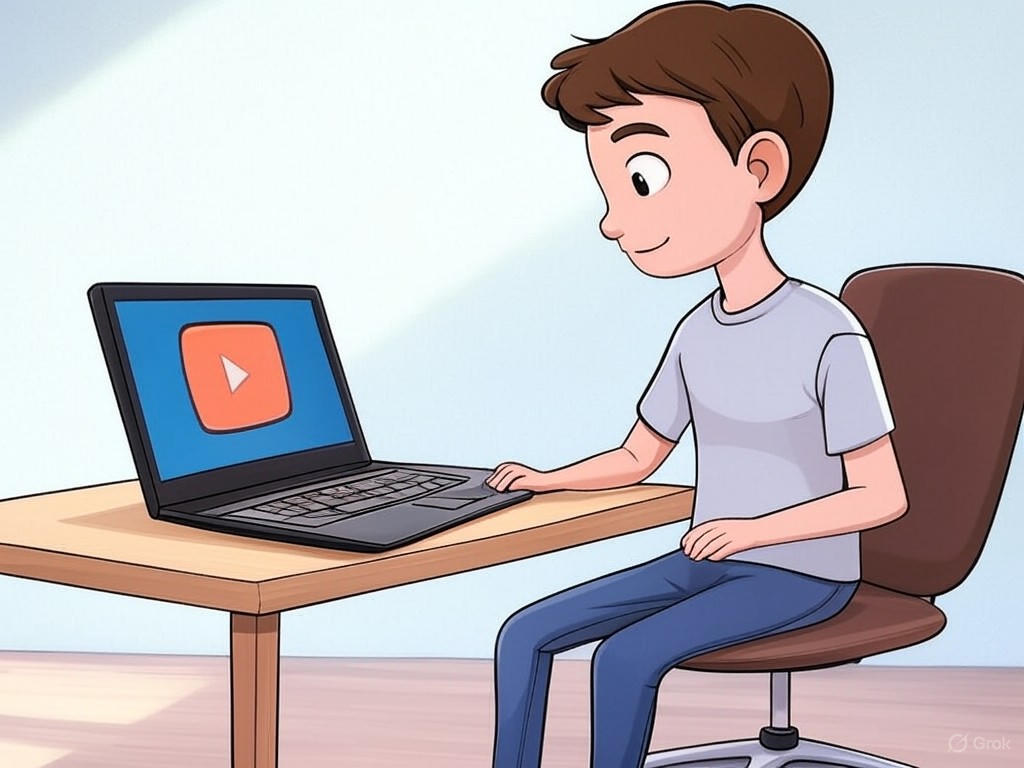
    Digital media isn’t just something you use—it’s something that shapes your world every day. From the content you watch to the conversations you have, it influences how you learn, connect, and express yourself.

    It can be a powerful tool for creativity, knowledge, and communication—but only if you use it with awareness and purpose.

    • It can influence your opinions and emotions (like trending videos or viral posts).
    • It allows you to express yourself through photos, videos, messages, and comments.
    • It helps you stay connected with friends, family, and your interests.
    • It can also be used to spread false information or create pressure to fit in—so it's important to stay aware and make smart choices.

    📝 Activity – Think Ahead

    Take a few minutes to reflect on your digital world. Write down your answers to the following questions:

    • What types of digital content do you enjoy using or creating?
    • What do you want people to see when they look at your online profile or posts?
    • What choices can you make to be more responsible and respectful online?

    7 - Group Discussion

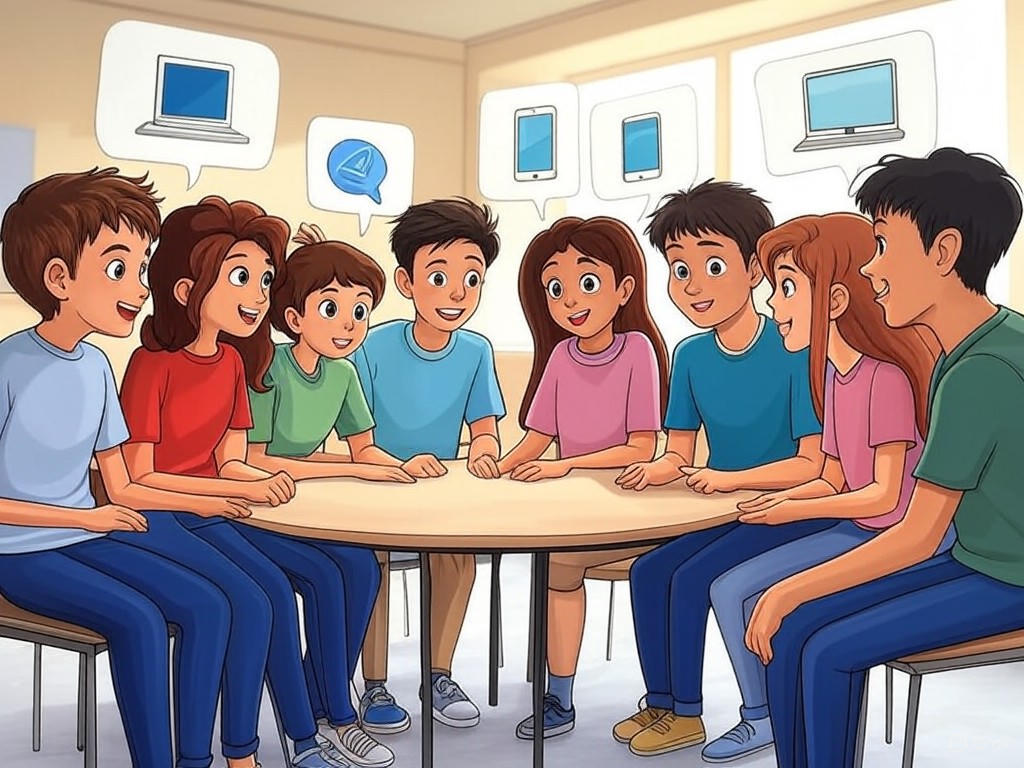
    Now that you've explored what digital media is, let's talk about it together. This group discussion will help you share what you've learnt and hear ideas from others. If you're doing this in a class, your teacher can help guide the chat. If you're on your own, you can think about these questions and jot down your thoughts.
    Instructions for the Discussion:

    1. Get Ready: Sit in a circle or small groups if possible. Take a minute to think about the lesson – what stood out to you?
    2. Share Your Thoughts: Go around the group and take turns answering these questions:
      • What is one example of digital media from your daily life?
      • Why do you think digital media literacy is important?
      • Has this lesson changed how you think about using the internet or social media? How?
    3. Listen and Respond: After someone shares, others can add their ideas or ask questions. Remember to be kind and respectful – everyone's experiences are different.
    4. Wrap It Up: As a group, come up with one big idea or tip from the lesson that everyone can use, like 'Always check if online info is real before sharing it.'
    This discussion should take about 10-15 minutes. It's a fun way to connect what you've learnt to real life. 

    8 - Wrap Up

    What You've Learned

    You've now completed your first lesson on What is Digital Media.

    Let's quickly review what you've learned today:

    • Digital media is information or content created, shared, or viewed using devices like computers, smartphones, and the internet, such as videos, photos, and social media.
    • Digital media literacy helps you understand, use, and create digital content safely and effectively, like spotting fake news and protecting your privacy.
    • You received an overview of the exciting topics we’ll cover in this course, from staying safe online to creating your own digital projects.
    • You thought about examples of digital media in your own life and why literacy matters for them.
    Remember, being smart with digital media means you can have fun, learn, and connect while staying safe. Keep practicing these skills in your everyday online activities.
    End of lesson
    123learn · Sample lesson

    That was a sample lesson from KS3 Digital Media Literacy

    Every lesson in the course is ready to teach like this one. See what else comes with it, and how to order it.

    Copyright Notice
    This lesson is copyright of Coding Ireland 2017 - 2026. Unauthorised use, copying or distribution is not allowed.
    🍪 Our website uses cookies to make your browsing experience better. By using our website you agree to our use of cookies. Learn more