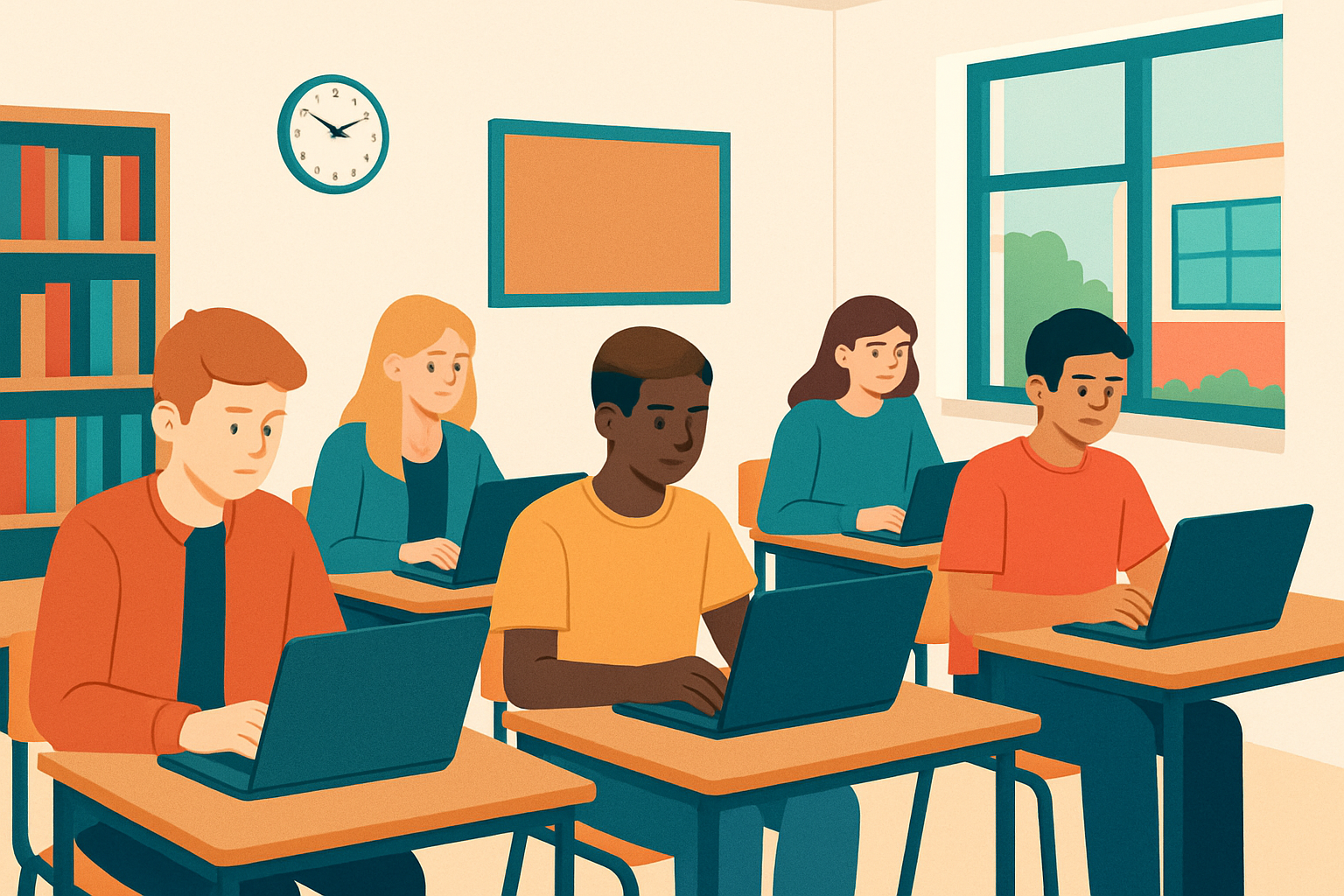
Computer Skills
Beginner
60 mins
Teacher/Student led
+60 XP
Pupils work on their own device
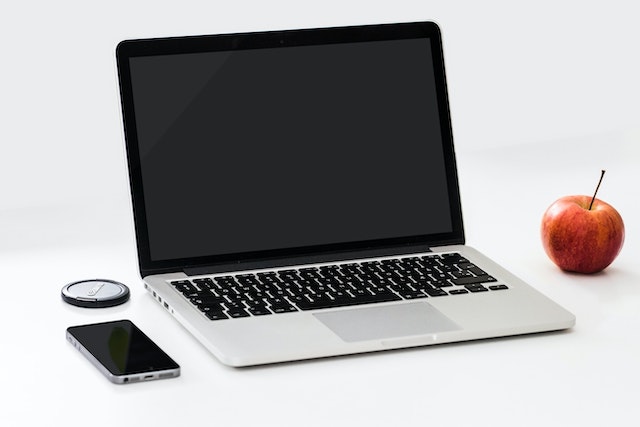 Chromebooks, laptops, and PCs are crucial tools for coding and digital skills education. Chromebooks are ideal for web-based applications and collaborative projects, while laptops and PCs support a wider range of programming environments and software for more intensive tasks like software development and data analysis.
The Numbers: Spreadsheets for Real Decisions
Turn your project proposal into a working spreadsheet with real formulas. Learn to build budgets, inventories, and data summaries that update automatically when numbers change.