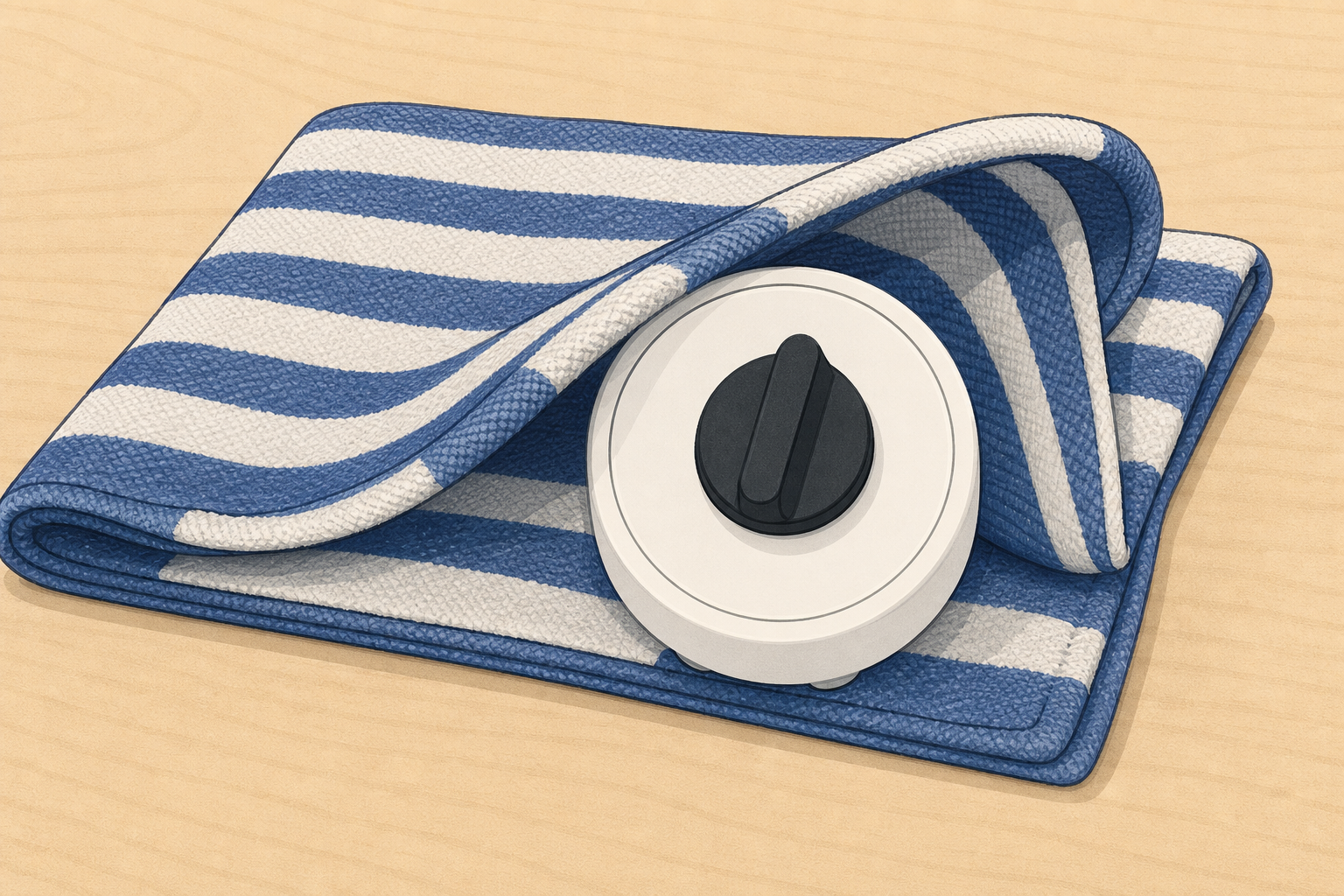
 Listen carefully. Can you still hear the timer when it is under this towel?
Some materials let sound through easily. Others muffle it. Today we will find out which materials muffle sound best, using a fair test.
 Whisper to your partner: which wrapping will muffle our timer best, a thin sheet or a thick soft layer? Be ready to share one idea.
When we covered the timer, the sound got quieter. That quieter sound is muffling. Sound is a vibration that travels through materials to our ears. When people choose materials deliberately to cut noise, that is soundproofing.
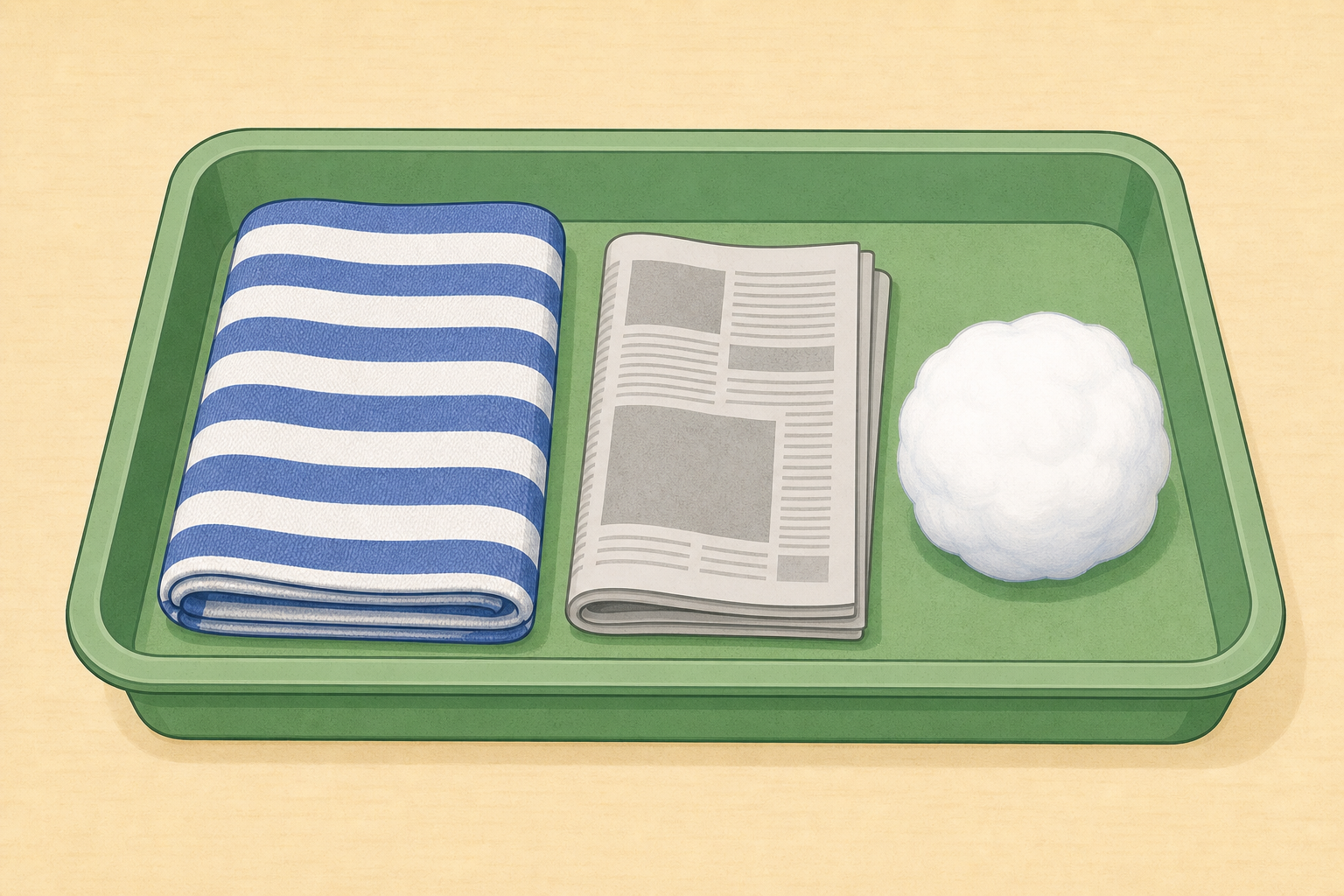 Today's question is this: which materials muffle a sound best?
With your group, choose three materials from the tray to compare, then talk through the question on the board together and be ready to say your thinking out loud in one sentence. Predictions are the start of the science, not a test to get right.
 Look at the five cards on screen: the wrapping material, how muffled the sound is, the sound source, the listening distance, and how tightly it is wrapped.
Help us sort them. What do we change? What do we measure? What must stay the same to keep the test fair?
When the cards are sorted, write on your Investigation Journal page: your three materials, your prediction, and how you will judge muffling (our class 1–5 scale or rank 1st–3rd). Keep it short so you are ready for the stations.
Which material muffles the sound best?
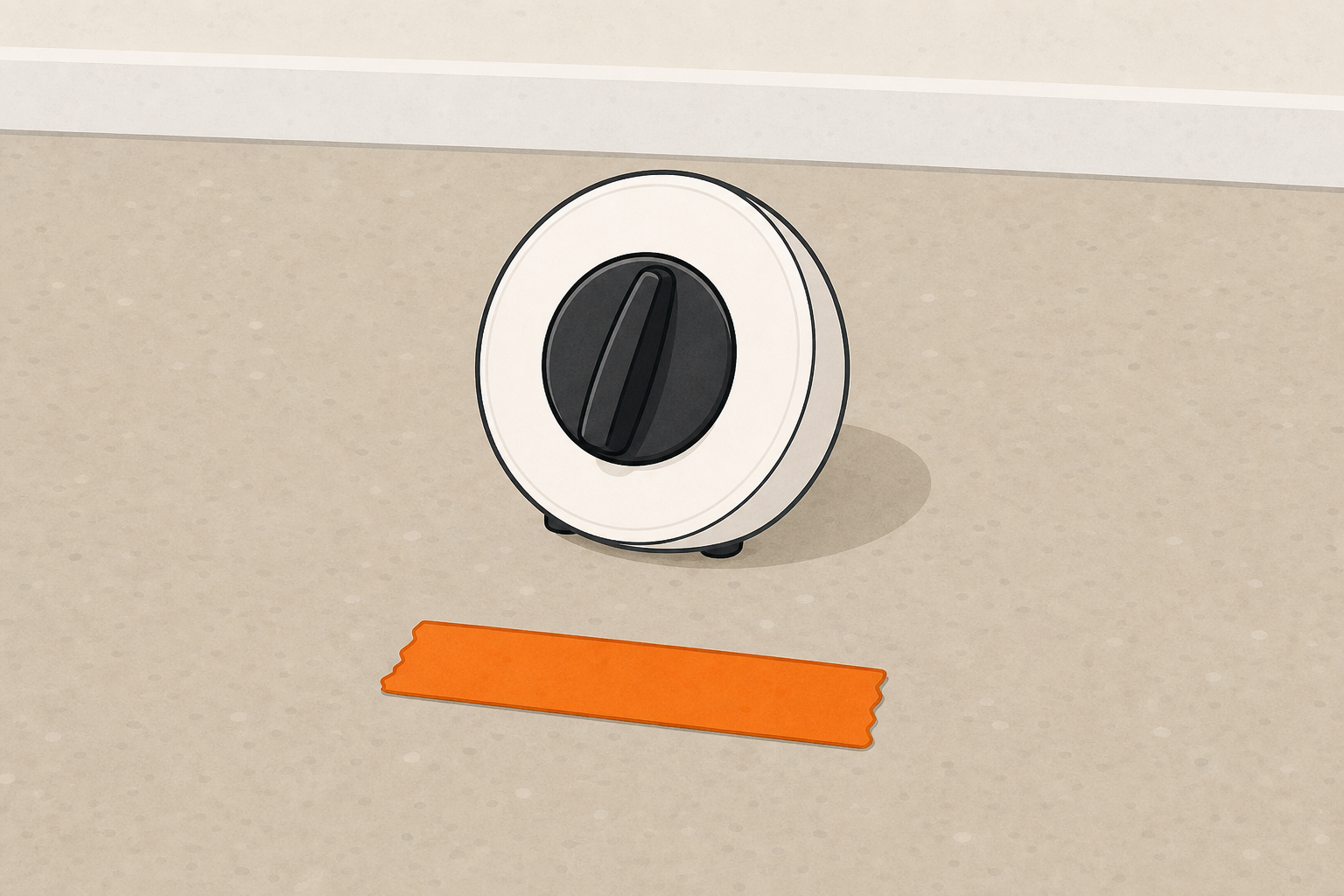
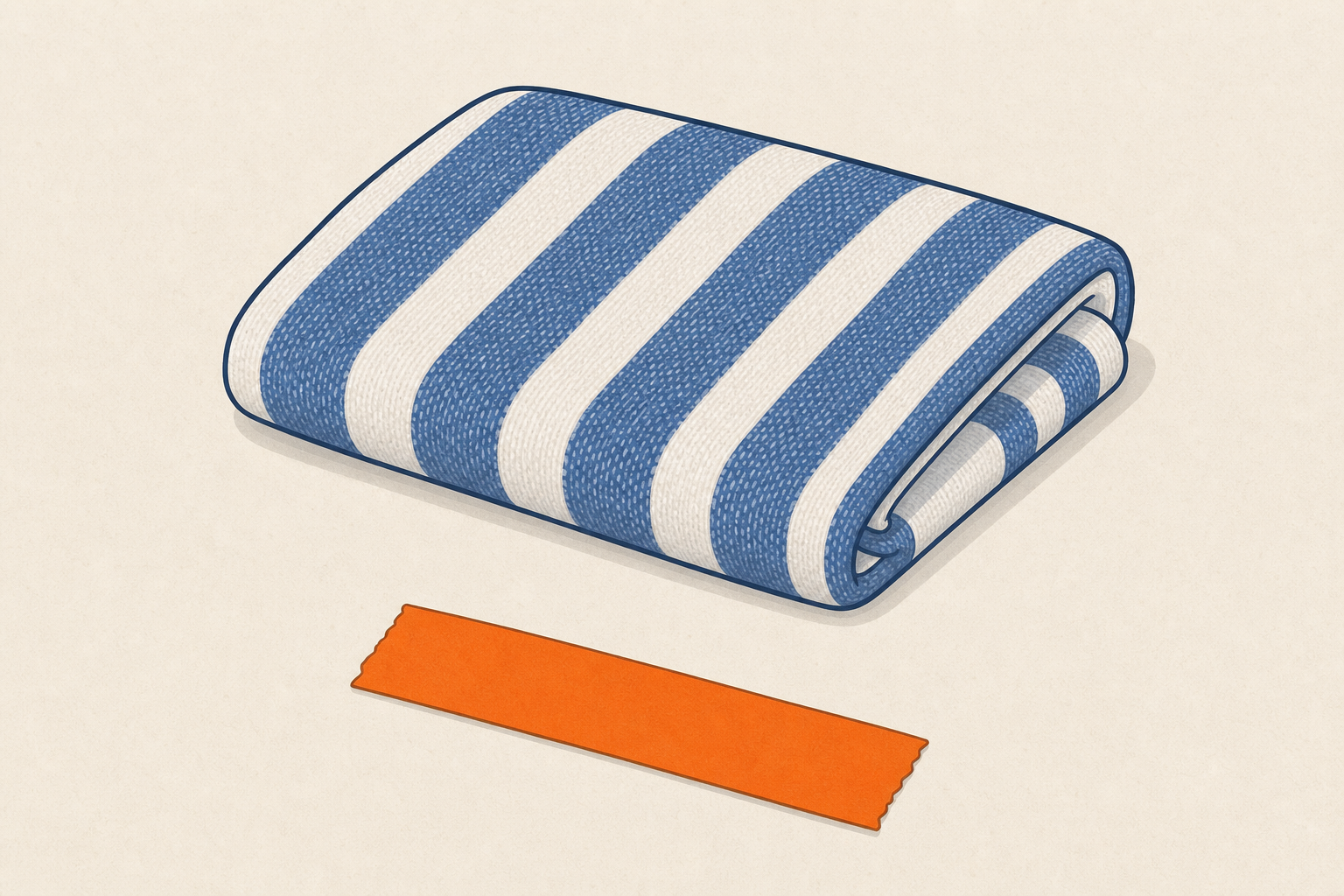 Your group will test at a listening station when it is your turn. While you wait, prepare your three wraps and keep your Investigation Journal page ready.
Class muffling scale (higher = more muffled): 1 = almost as loud as bare, 2 = a bit quieter, 3 = clearly quieter, 4 = hard to hear, 5 = barely hear it. Or rank your three materials 1st–3rd.
1. Start the timer with no wrap and listen from the mark (your baseline).
2. Wrap it in your first material. Keep the wrap about the same tightness each time.
3. Listen from the same marked distance, agree one muffling score, and jot it on your Investigation Journal page straight away.
4. Repeat for your other materials. One agreed score per material is enough.
Unlock the full learning experience
You're previewing this lesson. Get full access to this lesson and hundreds more — each one ready to teach, with interactive activities, printable resources and pupil progress tracking built in.
This lesson is copyright of Coding Ireland 2017 - 2025. Unauthorised use, copying or distribution is not allowed.