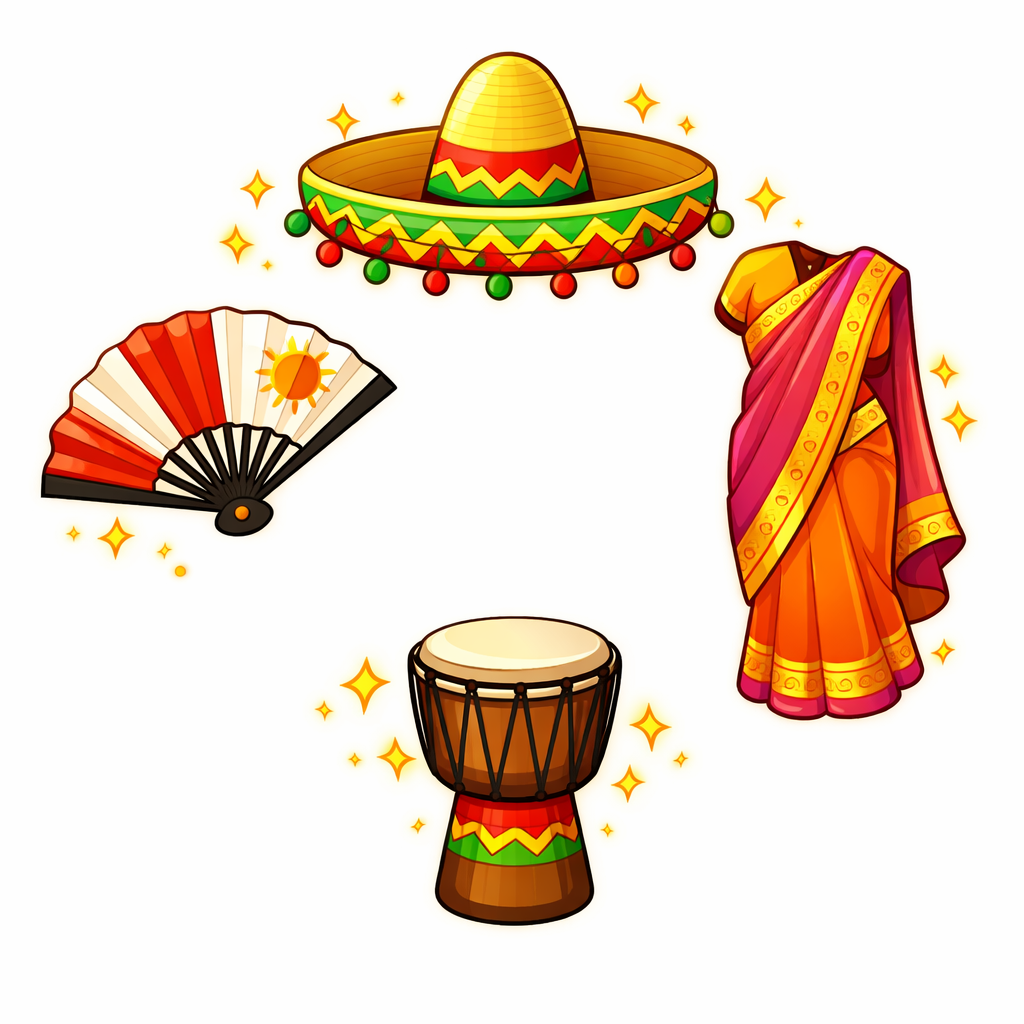
 Have you ever noticed how people around the world do things differently? Some people eat food you've never tried, wear clothes that look different, or celebrate special days in unique ways. Isn't that interesting?
In this lesson, you will:
- Learn what respecting differences means.
- Find out about traditions from different countries.
- Think about ways to be kind and inclusive to everyone.
- Do fun challenges to test what you've learned.
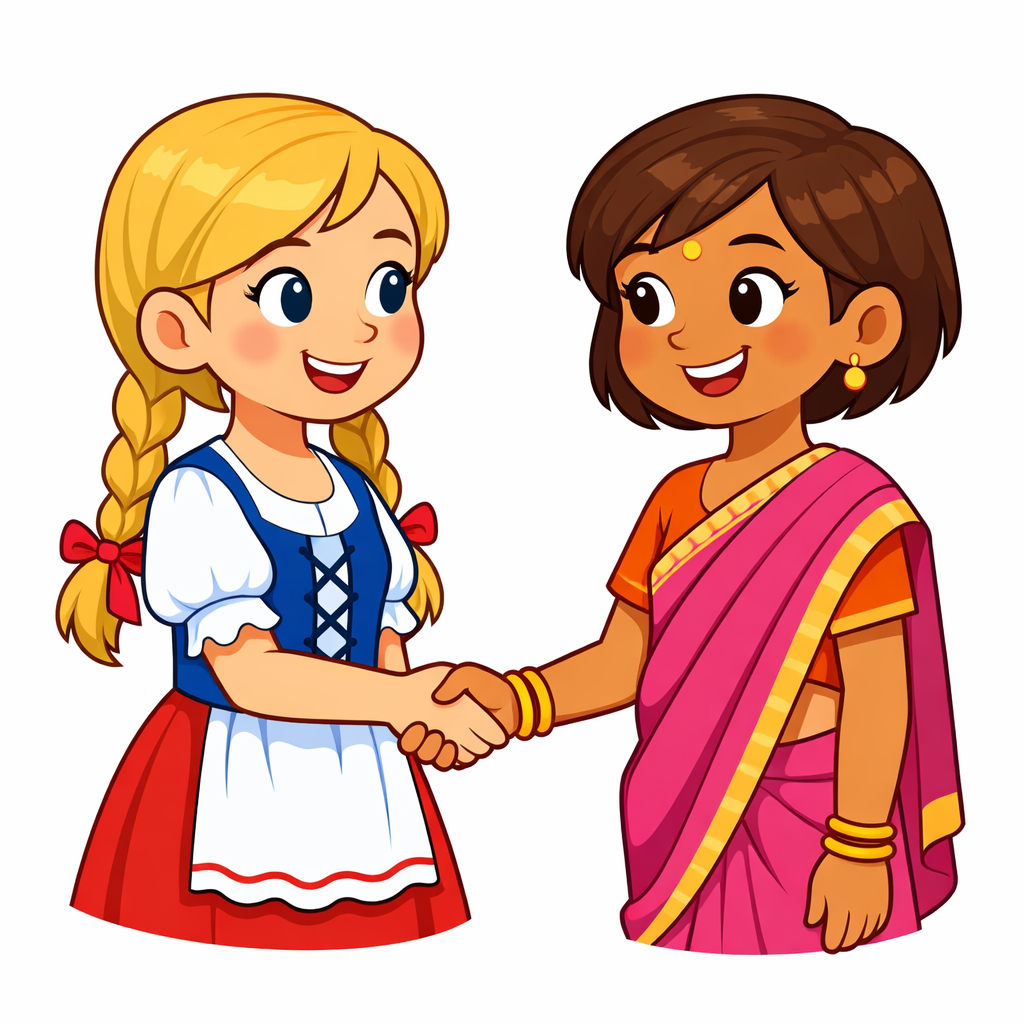 People around the world live in many different ways. They may speak different languages, eat different foods, wear different clothes, or celebrate different traditions.
Respecting differences means understanding that these differences are normal and valuable. It means being kind, open-minded, and curious about other cultures.
- People speak many languages.
- Families have different traditions.
- Countries celebrate different festivals.
- People may dress differently depending on culture or climate.
Learning about differences helps us understand the world better.
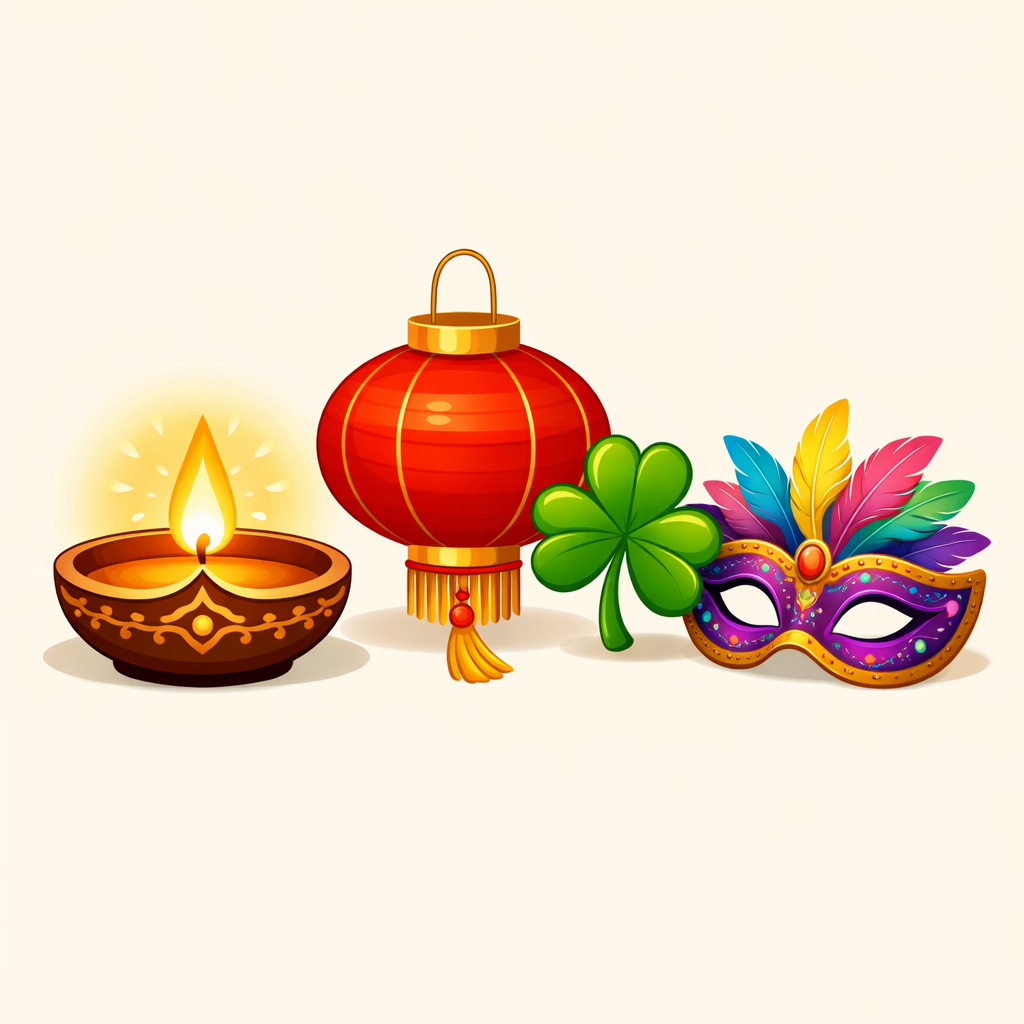 Different countries celebrate different traditions and festivals. These celebrations often reflect the history, religion, or culture of the people who live there.
- Diwali is a festival of lights celebrated in India.
- Lunar New Year is celebrated in many Asian countries.
- St. Patrick’s Day celebrates Irish culture and heritage.
- Carnival is a colourful festival celebrated in Brazil and other countries.
Even though these celebrations are different, they all bring families and communities together.
🌍 Traditions Around the World Challenge
Read each tradition or cultural clue and choose the country it matches best.
1️⃣ Eating sushi and using chopsticks at a meal
2️⃣ Dancing samba during Carnival celebrations
3️⃣ Celebrating Diwali, the Festival of Lights
4️⃣ Eating tacos and celebrating Día de los Muertos in many communities
5️⃣ St Patrick’s Day parades and symbols like the shamrock
6️⃣ Lunar New Year celebrations with dragon dances in many communities
7️⃣ Flamenco music and dancing as a famous cultural tradition
8️⃣ Oktoberfest, a festival well known for traditional dress, music, and food
Unlock the full learning experience
You're previewing this lesson. Get full access to this lesson and hundreds more — each one ready to teach, with interactive activities, printable resources and pupil progress tracking built in.
This lesson is copyright of Coding Ireland 2017 - 2026. Unauthorised use, copying or distribution is not allowed.