Python
Computer Science
Beginner
80 mins
Teacher/Student led
 Chromebooks, laptops, and PCs are crucial tools for coding and digital skills education. Chromebooks are ideal for web-based applications and collaborative projects, while laptops and PCs support a wider range of programming environments and software for more intensive tasks like software development and data analysis.
Recursive Algorithms and Functions
In this lesson, you'll learn the essentials of recursive algorithms and functions. Explore how recursion solves problems by breaking them into smaller subproblems, understand base cases and recursive calls, and implement examples like factorial and Fibonacci in Python.
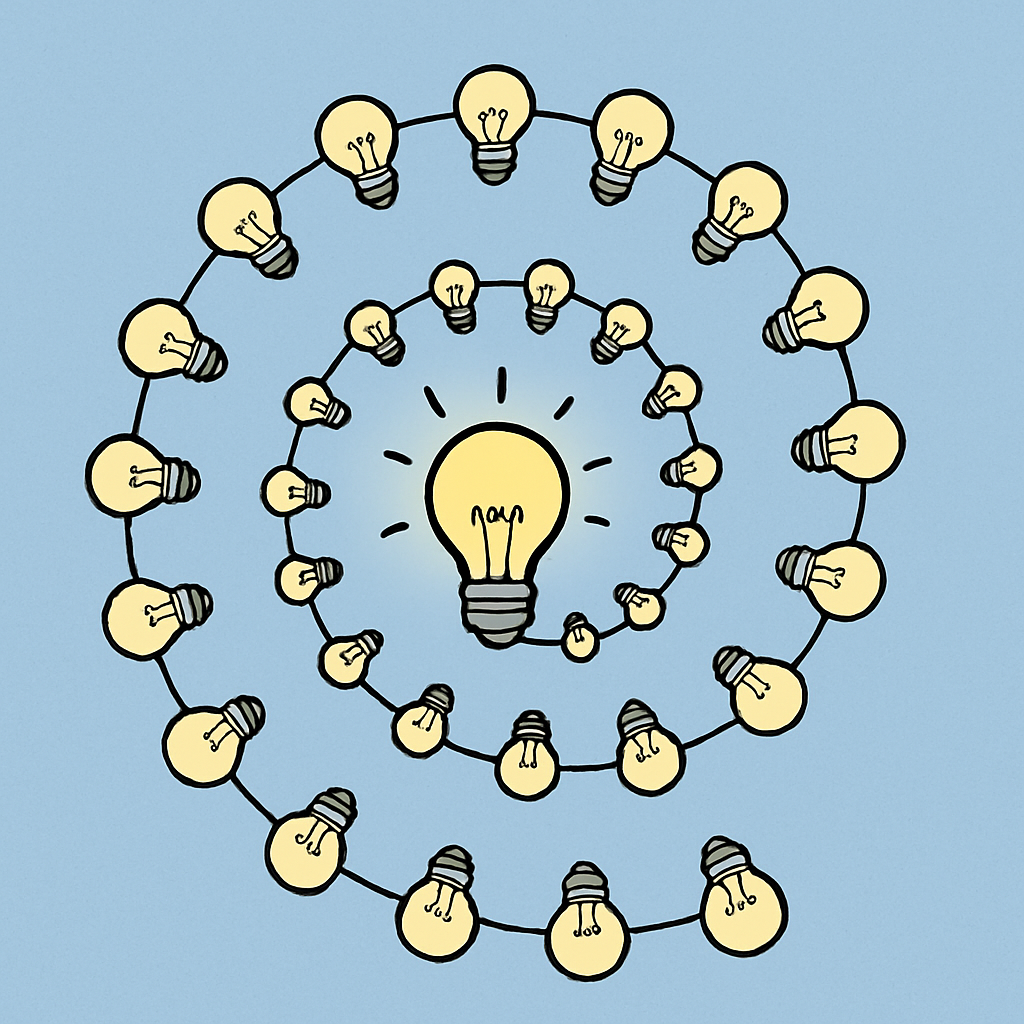 In this lesson, you'll explore recursive algorithms and functions, a key concept in advanced algorithms. Recursion allows functions to solve problems by breaking them into smaller, similar subproblems.
 Recursion might seem complex at first, but it’s a clever way for a function to tackle a problem by calling itself with a simpler version of that problem. Picture yourself organizing a stack of nested boxes: you open one box, then deal with a smaller set of boxes inside it, repeating the process until you find an empty box. That’s recursion.
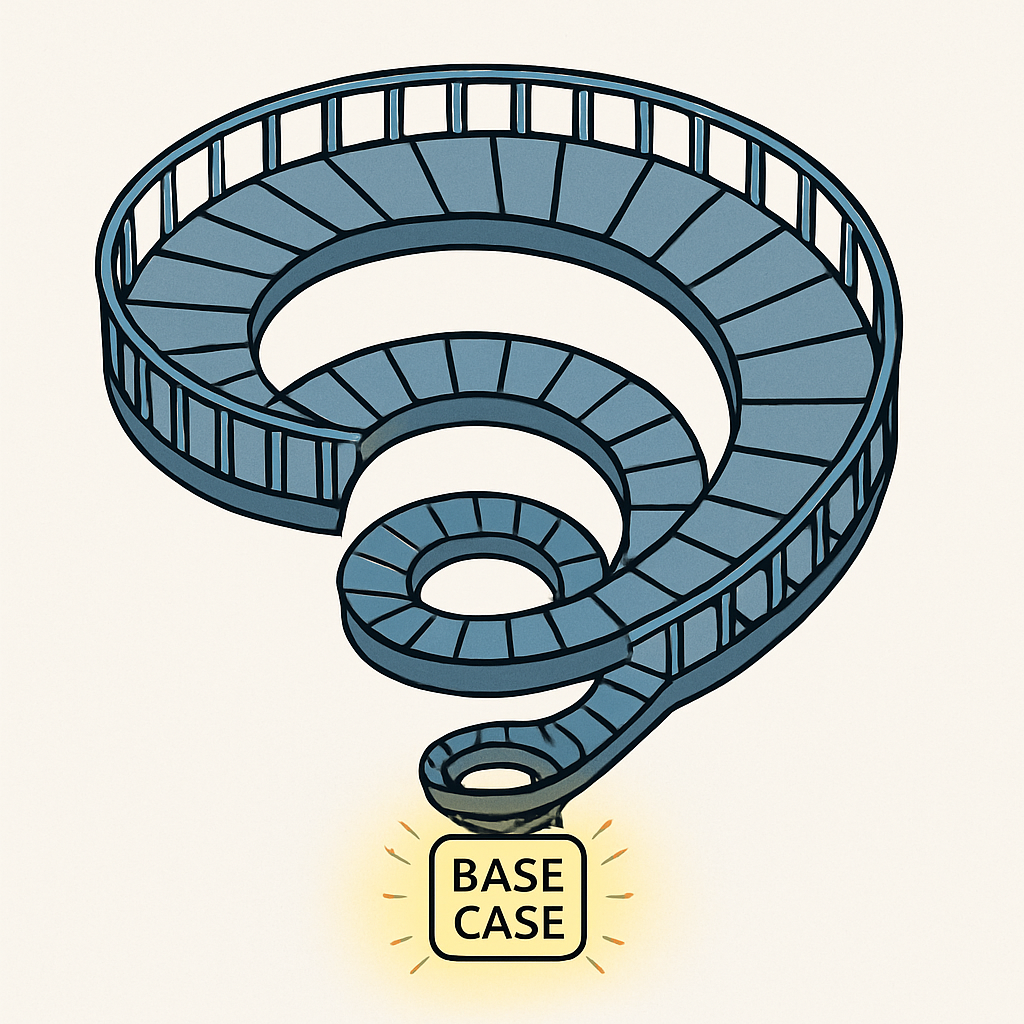 Recursive Approach: A recursive function solves a problem by calling itself with a smaller version of the same problem. It relies on a base case to stop the recursion and recursive cases to break down the problem. For example, in the recursive factorial, each call computes
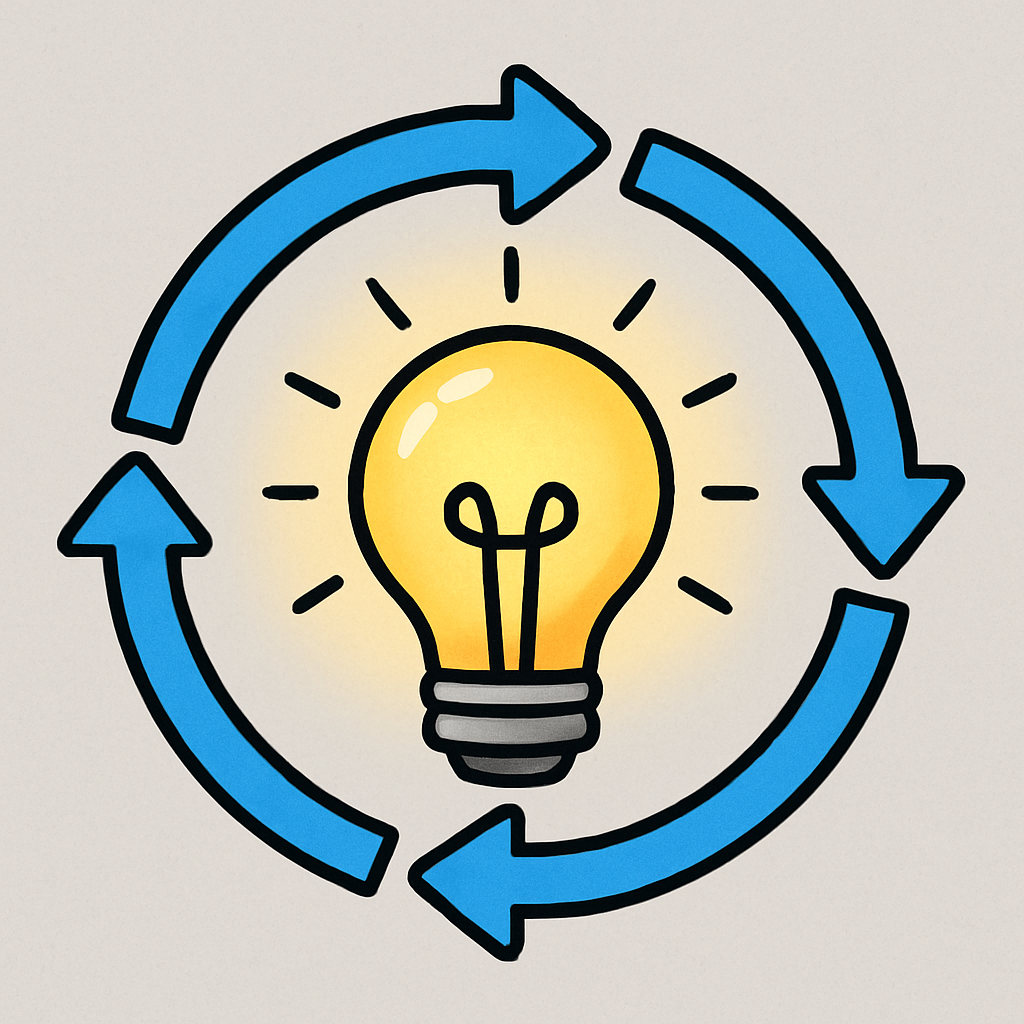 Iterative Approach: An iterative function uses loops (like for or while) to repeat steps without calling itself. It builds the solution step by step, often using variables to track progress. For instance, the iterative factorial multiplies numbers in a loop from 1 to n, using constant space (O(1)) and linear time (O(n)). It's generally more efficient, avoids recursion depth issues, and is better for large inputs.