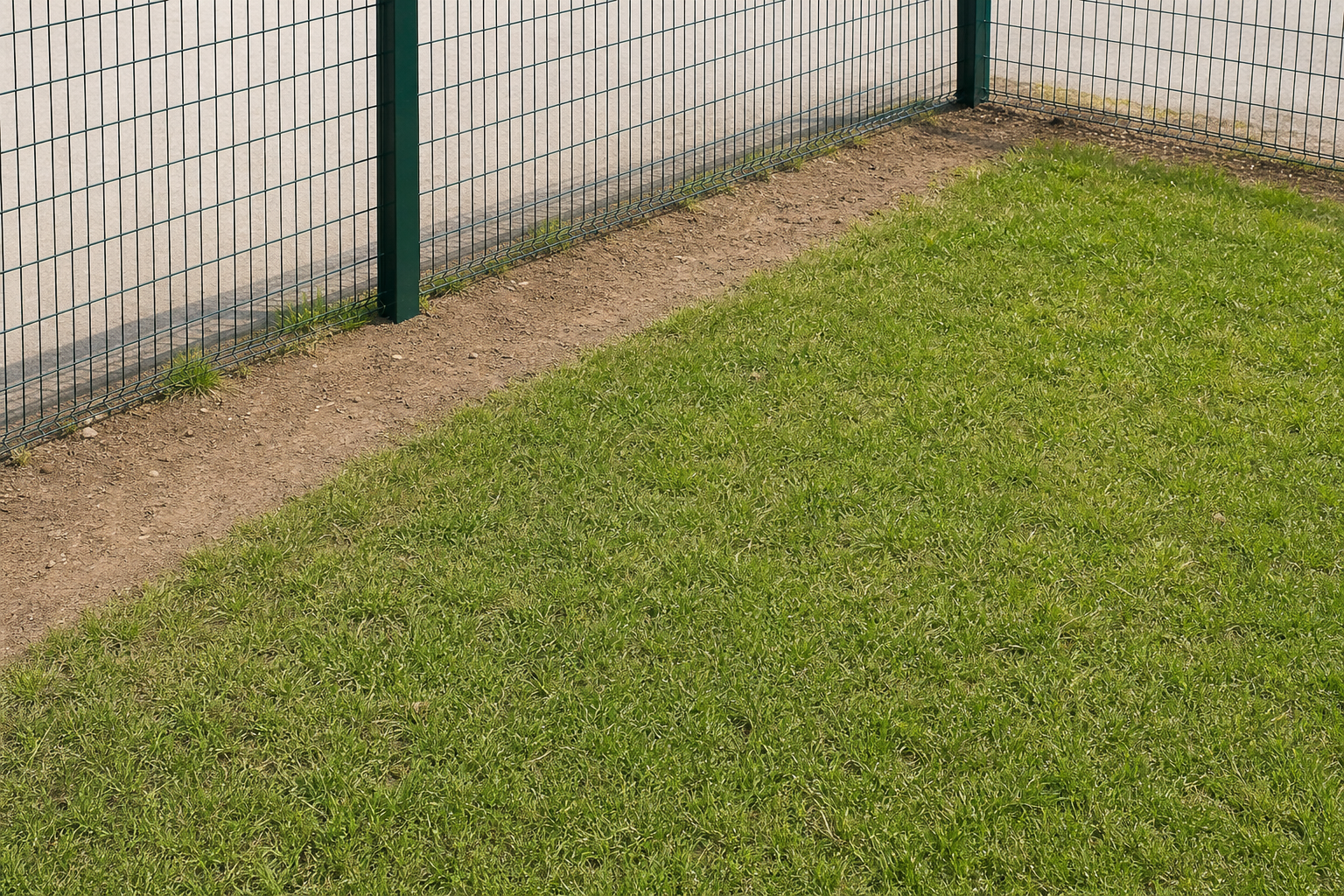
We have surveyed our grounds and researched why biodiversity matters. Today we turn that science into one real action nearby. This is the bit real conservation teams love: turning what we found into a change living things can actually use.
Glance at your audit notes and research with your partner for thirty seconds. What problem did we find, and what could we do about it? Be ready to share one idea.
Project Part 3 of 4. Pupils should have their Investigation Journal pages from the audit and the research session ready. Keep the hook light: surface the problem and the will to act; do not start building yet. Signal pair talk with journals open so nobody freezes waiting for a cold call.
Multi-day prep checklist (this lesson only works if these are already in place):
If the three-option kit is not ready, narrow the choice in advance to the one or two options you can resource honestly, and say so when the class decides.
Key questions: What did our audit show was missing? Which Irish problem from our research links to that gap? What is one change we could make today?
Nature of STEM: name that this is how many biologists and conservation teams work: survey first, research the issue, then take a practical action and check it later. Link gently to the All-Ireland Pollinator Plan if the class researched pollinators earlier in this project.
Which gap in our grounds is the strongest reason to act today?
A biodiversity action is a real change we make so living things nearby can feed, shelter or breed. Knowing about living things only helps if we turn that knowledge into something practical on our site.
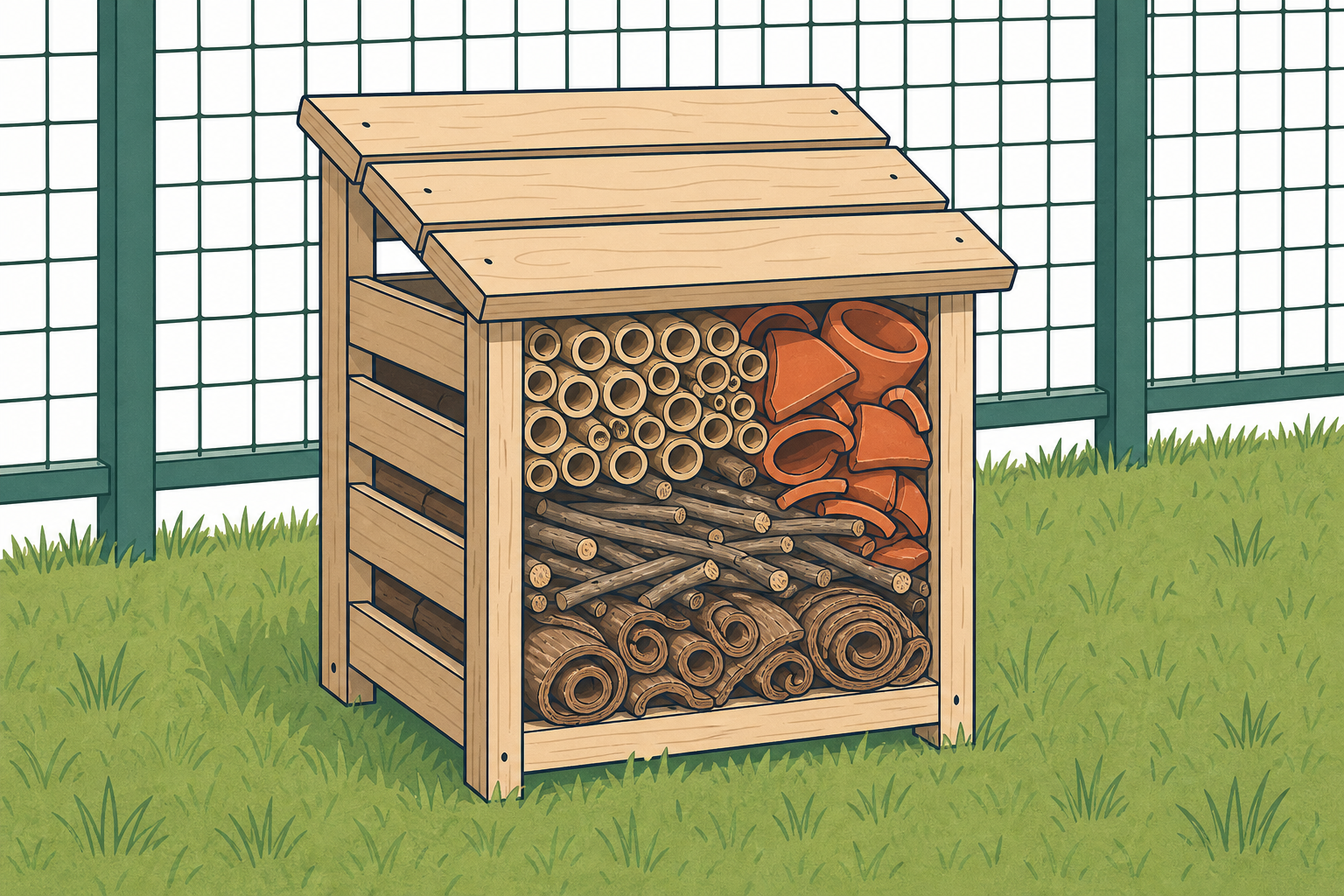
Example: if our audit found almost no dry shelter for minibeasts, a small bug hotel would be a biodiversity action that fills that gap.
Next we will choose which action matches our evidence, and later we will name what we will check next time to see if it helped.
Board stays short. Lead with the gap question, then teach biodiversity action only in this step, pinned to pupil answers and one plain example. Hold the full definitions of evidence-based choice and success sign for the steps that use them (Step 3 choice; Step 4 plan). Name those two labels lightly at the end of this step so pupils know they are coming, without stacking three glossary definitions here.
| Concept | Why it matters | Example |
|---|---|---|
| Biodiversity action — a real change we make in a place so more living things can feed, shelter or breed there | Knowing about living things only helps if we turn that knowledge into something practical nearby | Planting a narrow pollinator strip by the hedge, or building a bug hotel against a quiet wall |
| Evidence-based choice — picking the action because of what the audit and research showed, not only because an idea looks fun | Scientists and engineers decide from evidence so the action matches a real need | Choosing shelter for minibeasts after the audit found almost none under logs or stones |
| Success sign — something we can check later as evidence of impact in a before-and-after comparison | Without a success sign, Part 4 cannot tell if the action made a difference | Near term: seed germinating, plugs still alive, bug hotel dry and stable, wild corner still unmown. Later wildlife: more flower visitors or more minibeast kinds than in the audit |
Misconception to head off: pupils may think any green idea is equally good. Push them back to their own audit: the best action is the one that fills a gap they actually found. Also head off the idea that wildlife must appear immediately: match success signs to what Part 4 can honestly observe given the season and whether you used seed or plugs.
Worked cycle to model aloud (one example only): I wonder whether our quiet wall corner could shelter more minibeasts. I predict a small bug hotel stuffed with hollow stems will give dry gaps for insects. I will build it from clean bottles, cardboard tubes and dry stems, then leave it undisturbed. Near term I will know the action is still working if it stays dry, stable and unused as a toy. Later we can look for more kinds of minibeasts than in the audit. That is evidence-based action, not decoration.
This is the scientist's decision, not a popularity vote. The grounds told us what is missing.
An evidence-based choice means we pick one action because of what our audit and research showed, not only because an idea looks fun.
As a class we will choose one action for our grounds today: a pollinator patch, a bug hotel, or a marked wild corner.
Use the audit and the research. Which option best matches the gap we found, and why?
Whole-class decision, not three parallel projects. Put the three options on the board (or only the options you can resource). Invite pairs to talk for one minute using their journal notes, then take short justifications. Steer the vote toward the option that best matches the evidence, not the loudest preference. Pin the phrase evidence-based choice to the winning justification in plain language.
Look-fors: pupils quote their own audit or research ("we only found two kinds of flower"; "pollinators need continuous food"). If justifications stay vague, send them back to the journal page from earlier in this project for thirty seconds, then try again.
Differentiation: offer sentence stems aloud — Our audit showed… so the best action is… because… Confident pupils can name one risk (weather, mowing, disturbance) and how the plan will handle it.
End by restating the chosen action in one clear sentence and naming the outdoor spot where it will go.
Now we turn the choice into a plan the class can actually build.
Together on the board we freeze one shared plan: what we will build or set up, which audit finding it answers, group jobs, and two success signs (checks we will use later as evidence of impact in a before-and-after comparison). At least one check must be something next session can honestly see.
On your Investigation Journal page, jot only the chosen action, the outdoor spot, and those two checks in your own words. You will write what you actually did after the build.
How will this action help the living things our survey found were missing or scarce?
This is the link between evidence and design. Pupils are not inventing a random craft: they are turning the audit gap into a practical plan. The board plan is the load-bearing artefact for the outdoor build. Personal journal demand in this step is deliberately light (action, spot, two checks only) so the shared plan can be frozen properly. Full "what we did" writing belongs in Step 6 after the build, not as overflow from here.
Agree together and leave it large and clear on the board:
Teach the term success sign here as you name the two checks: something we can check later as evidence of impact, using a before-and-after comparison.
Each pupil records in their own words: chosen action, spot, two success signs. Do not ask for full materials lists, job rosters, or long prose in this step. Do not invent special boxes on the page; say what to record, not where it sits.
While the board plan is still up, photograph it (teacher device) or copy it onto one clipboard for the plan-checker role outdoors. Do not go out until that portable copy exists. Plan checkers cannot function from memory alone.
Given the season and whether you used seed or plugs, pick signs that will not falsely suggest failure:
If you sow seed, do not set "more kinds of bees on the new flowers" as the only Part 4 check: flowers may not be open yet.
Key questions: Which living things is this for? What must stay the same about the site so we can compare later? What would count as the action working in the near term?
Time to take the action outdoors for the bees, beetles, spiders or other living things our audit showed were missing or scarce.
There is one class build at the agreed spot. Groups do not make separate versions. You only carry the jobs we already agreed (for example fetch, plant, pack, mark, boundary watch, tidy).
Stay inside the boundaries, handle tools carefully, and leave the site tidy and clearly marked.
Confirm the board-plan copy is in a plan checker's hands (clipboard copy or teacher photo ready to show). Restate boundaries, the meeting signal, and tool rules. No running with tools. Adult makes any difficult cuts. Wash hands after soil, plants or seed. Return any moved minibeasts gently if found while working. Remind everyone: one shared action, not one build per group.
A bed edge, wall base or small corner cannot hold 25–30 hands at once. Run a staged rotation so only one small hands-on crew (about 4–6 pupils) works the micro-site at a time while others hold defined support roles a short step back:
Rotate the hands-on crew once if time allows so more pupils get a turn without crowding. Fold watchers in with teacher questions: Which living thing is this for? Does this still match the audit gap? What must we leave undisturbed?
Budget the 17 minutes honestly as: leave room, boundaries and roles (3 min), staged build (10–11 min), tidy, tool count, photo if allowed, line up and return (3–4 min). There is little slack: if the build is incomplete, stabilise and mark what is in place and record the honest state in Step 6 rather than rushing a finish. If weather turns bad, complete a protected version under shelter or against a wall and finish marking next dry break — still count it as the action started, and record honestly.
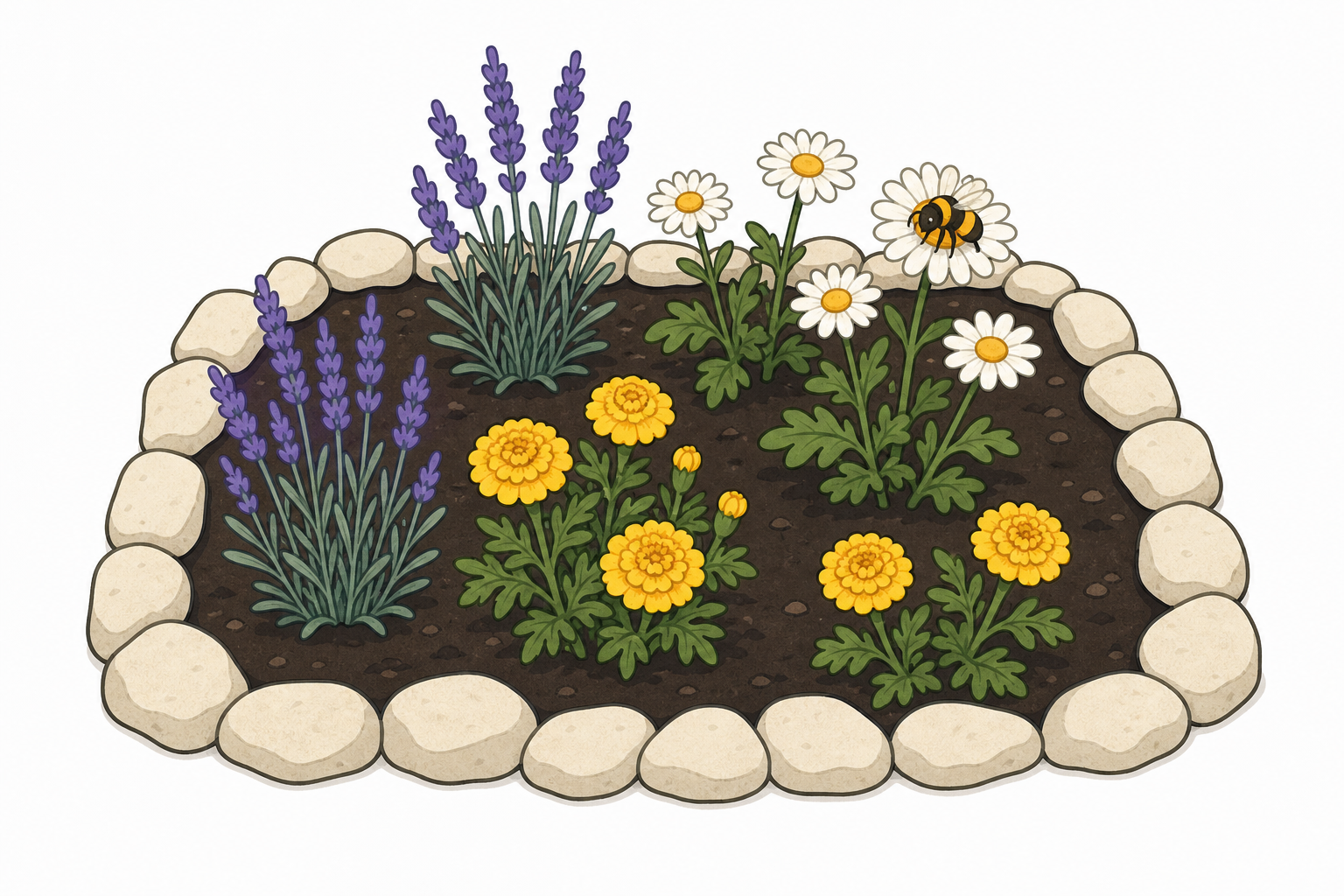
Pollinator patch: loosen a small strip or bed edge; remove litter; sow seed thinly or plant plugs with space to grow; water gently; mark the edge so it is not mown. Expected look: a clearly edged mini-patch, damp soil, seed or plants in place.
Bug hotel: fix or stand a clean bottle, box or small frame in a dry, sheltered spot; pack cardboard tubes, hollow stems, pine cones and dry leaves in horizontal layers; tie securely; do not block the openings. Expected look: stable structure with open tunnels, off wet ground if possible.
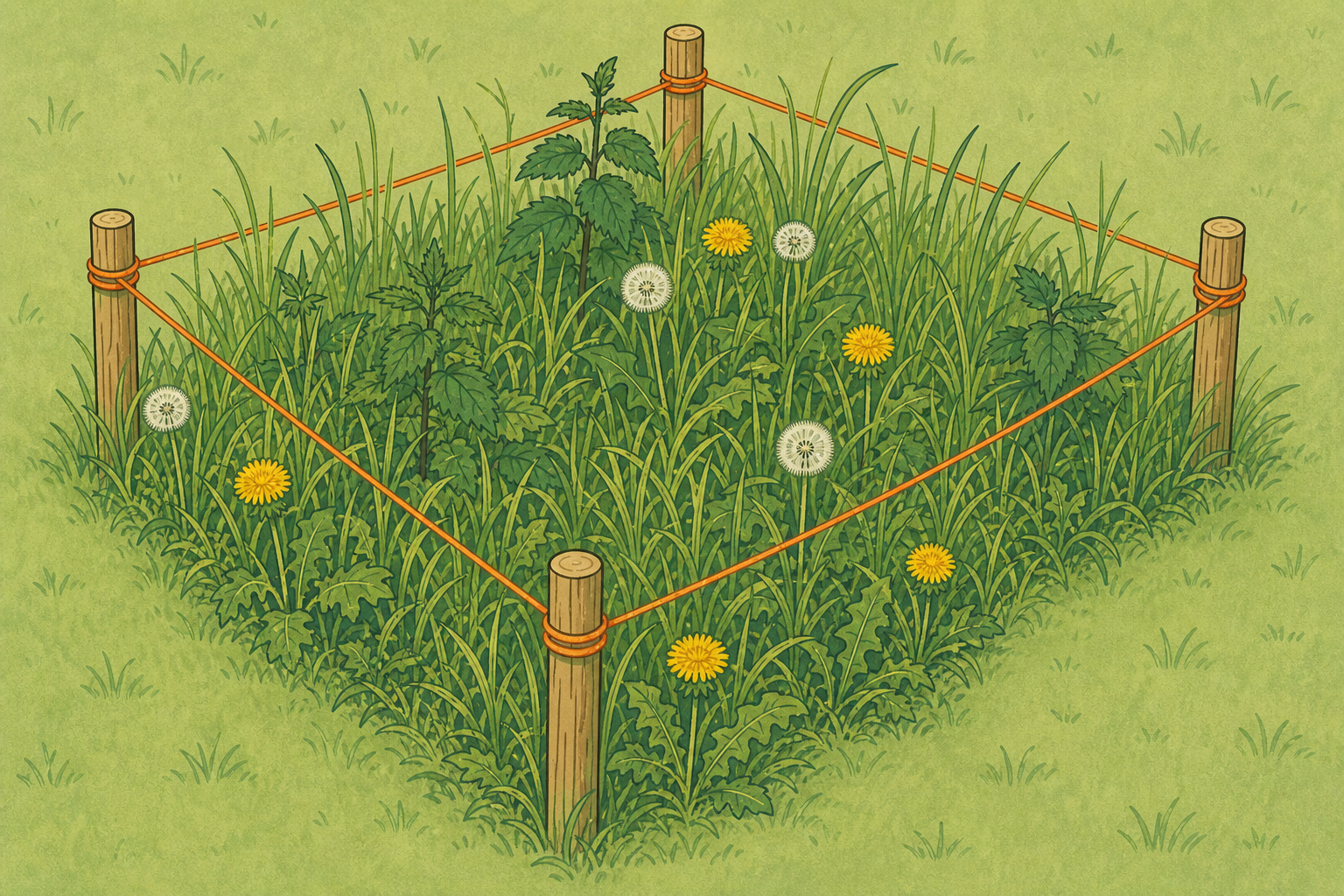
Wild corner: mark a small agreed rectangle with stakes and string; clear litter only; leave plants and longer grass standing; add a simple waterproof class sign explaining why it is left wild. Expected look: a respected, visible boundary rather than a bare cleared bed.
Ask: Which part of the plan is this crew on? How will a bee, beetle or spider use this? What must we not disturb?
Safety reminders outdoors: mind nettles and brambles; no tasting plants or seed; wipe spills of water; count tools back in before you leave the spot.
Differentiation: assign concrete jobs from the list above. Stretch: one pupil names a living thing they hope will benefit and why the design suits it.
Photograph: take one or two reference photos of the finished action for Part 4 comparison if school policy allows. Pupils do not need devices.
You're previewing this lesson. Get full access to this lesson and hundreds more — each one ready to teach, with interactive activities, printable resources and pupil progress tracking built in.