Mathematics
Beginner
50 mins
Teacher/Student led
+80 XP
 Chromebooks, laptops, and PCs are crucial tools for coding and digital skills education. Chromebooks are ideal for web-based applications and collaborative projects, while laptops and PCs support a wider range of programming environments and software for more intensive tasks like software development and data analysis.

One Whole, Ten Parts: Introducing Tenths
Introduce tenths as one of ten equal parts of a whole. Explore how ten tenths make one whole, just as ten units make one ten. Shade fraction strips to represent and name different tenths.
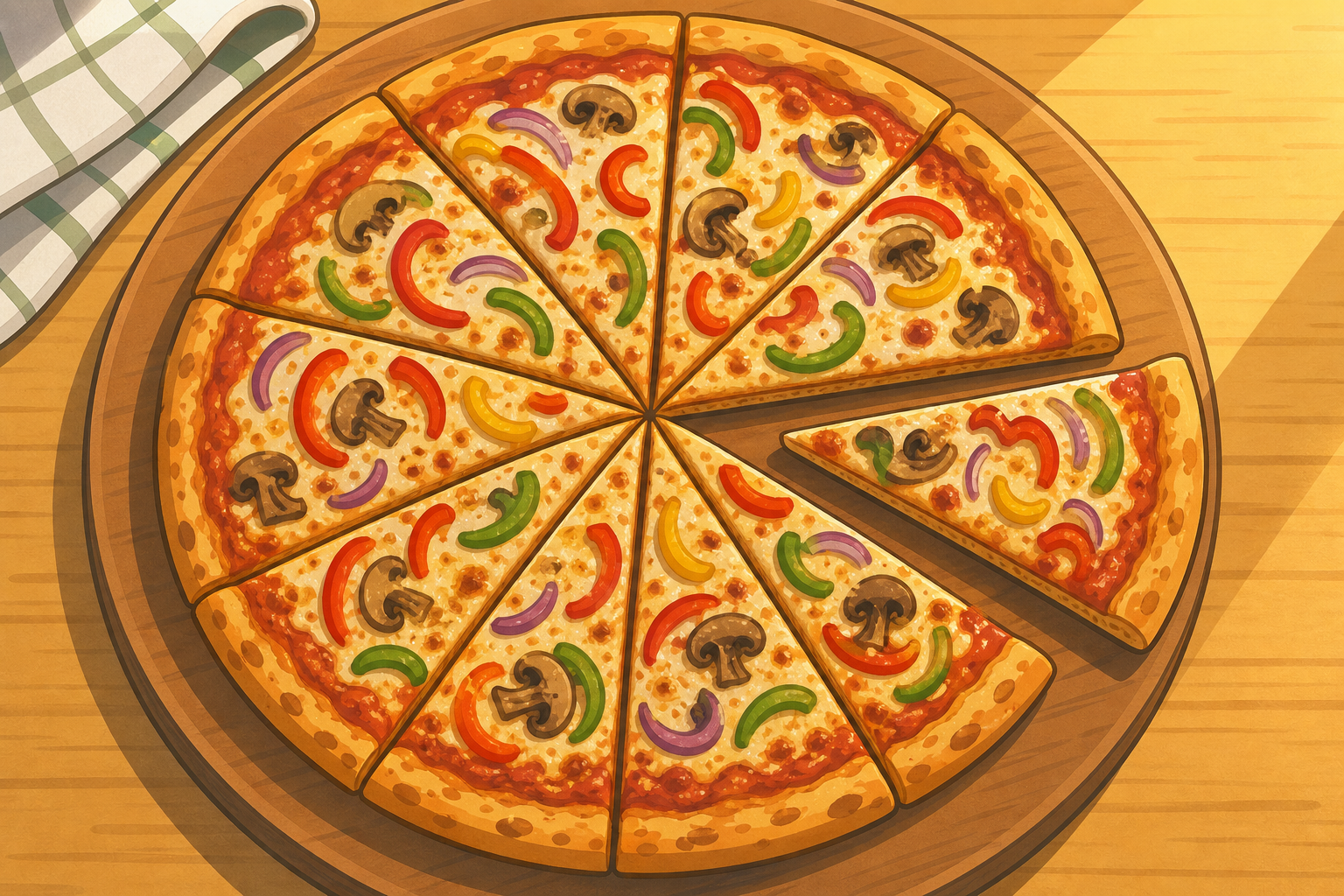 Imagine we ordered one big pizza to share fairly between all ten of us. How much of the whole pizza does each person get? What would we call each of those equal slices?