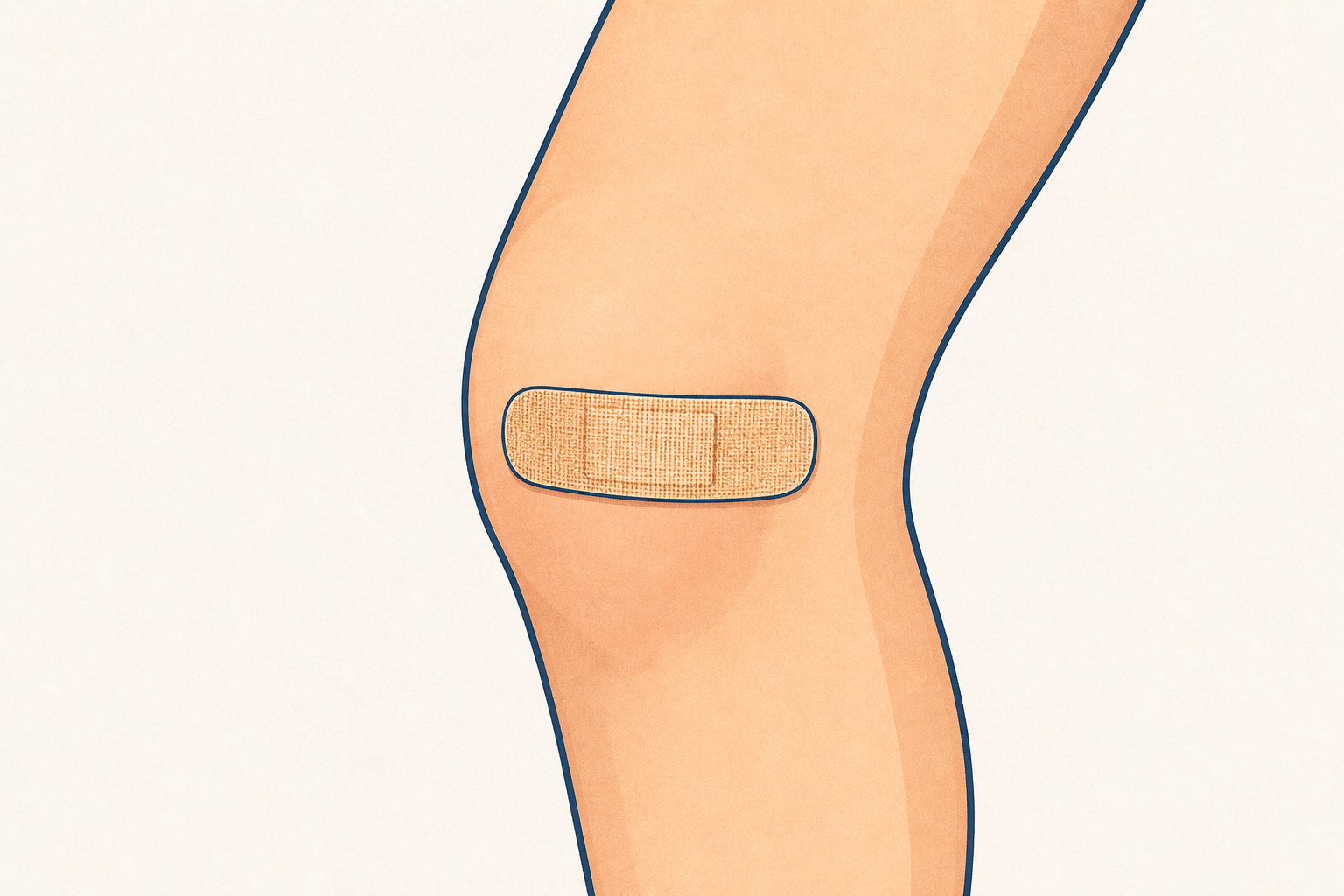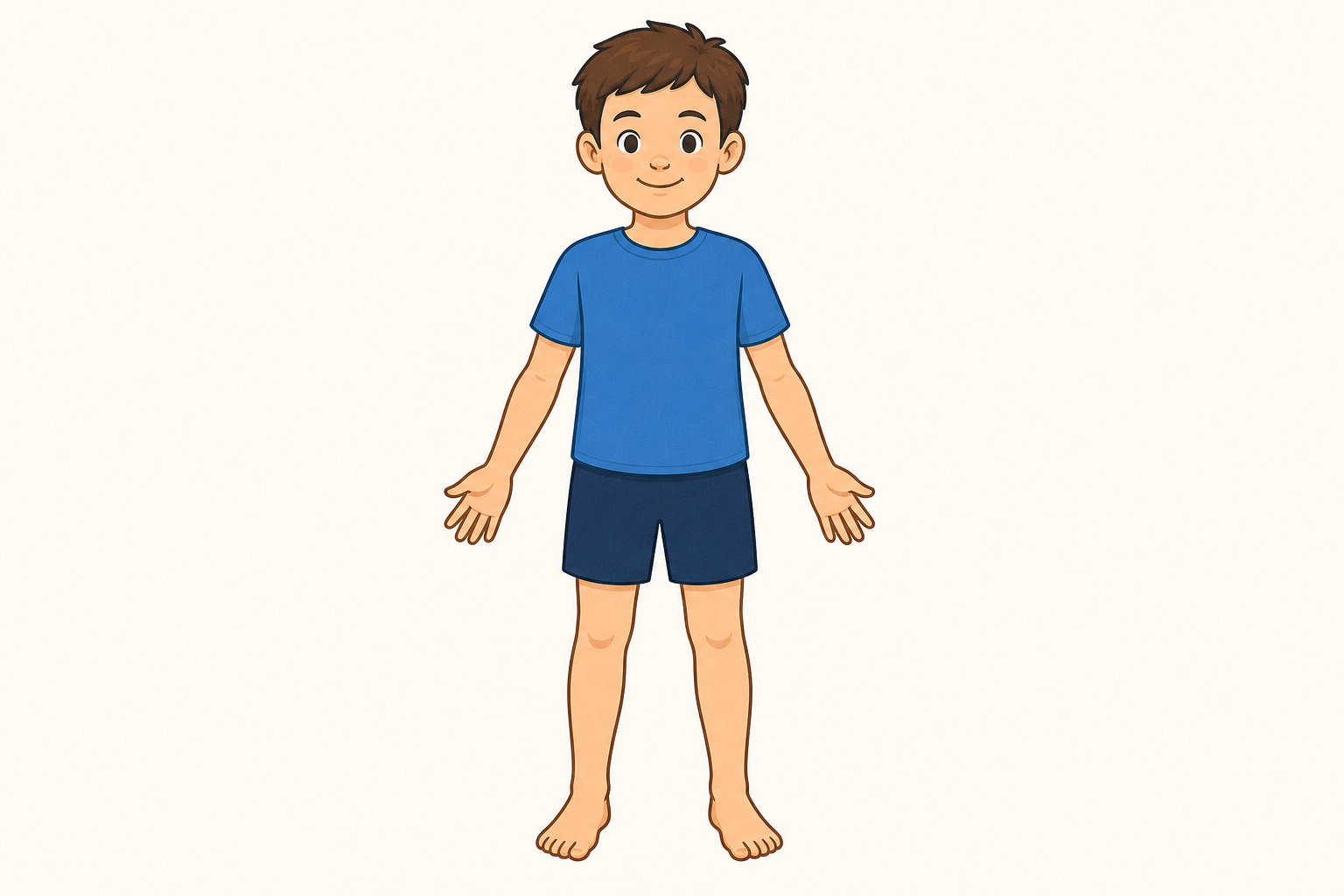
Can you touch your head? What about your knees?
Today we will learn the names of more parts of our body.
Keep this light and playful. Stand where everyone can see you. Touch your own head, then your knees, and invite a quick copy. Do not list every new word yet. That comes next.
Key question: Which body parts do you already know?
Have a clear patch of carpet ready for the action game. Keep any mirrors to one side until the look-and-point step.
Watch me. I will touch a body part and say its name. Then you touch the same part and say the name with me.
Say each word clearly and point to it on your own body. Children copy one part at a time. Do not put a full word list on the board — Senior Infants mostly cannot read it. Reveal the six names only as you touch them: head, neck, shoulders, elbows, knees, ankles. Keep the board short or blank. The table below is for you.
| Concept | Why it matters | Example |
|---|---|---|
| Head — the top of your body where your face is | We use our head to look, listen, smile and think | Nodding your head to say yes |
| Neck — joins your head to your body | Your neck lets you turn to see and hear what is around you | Using your neck when you turn your head to see a friend on the mat |
| Shoulders — where your arms join your body at the top | Shoulders help you lift, carry and wrap your arms around things | Shrugging when you are not sure |
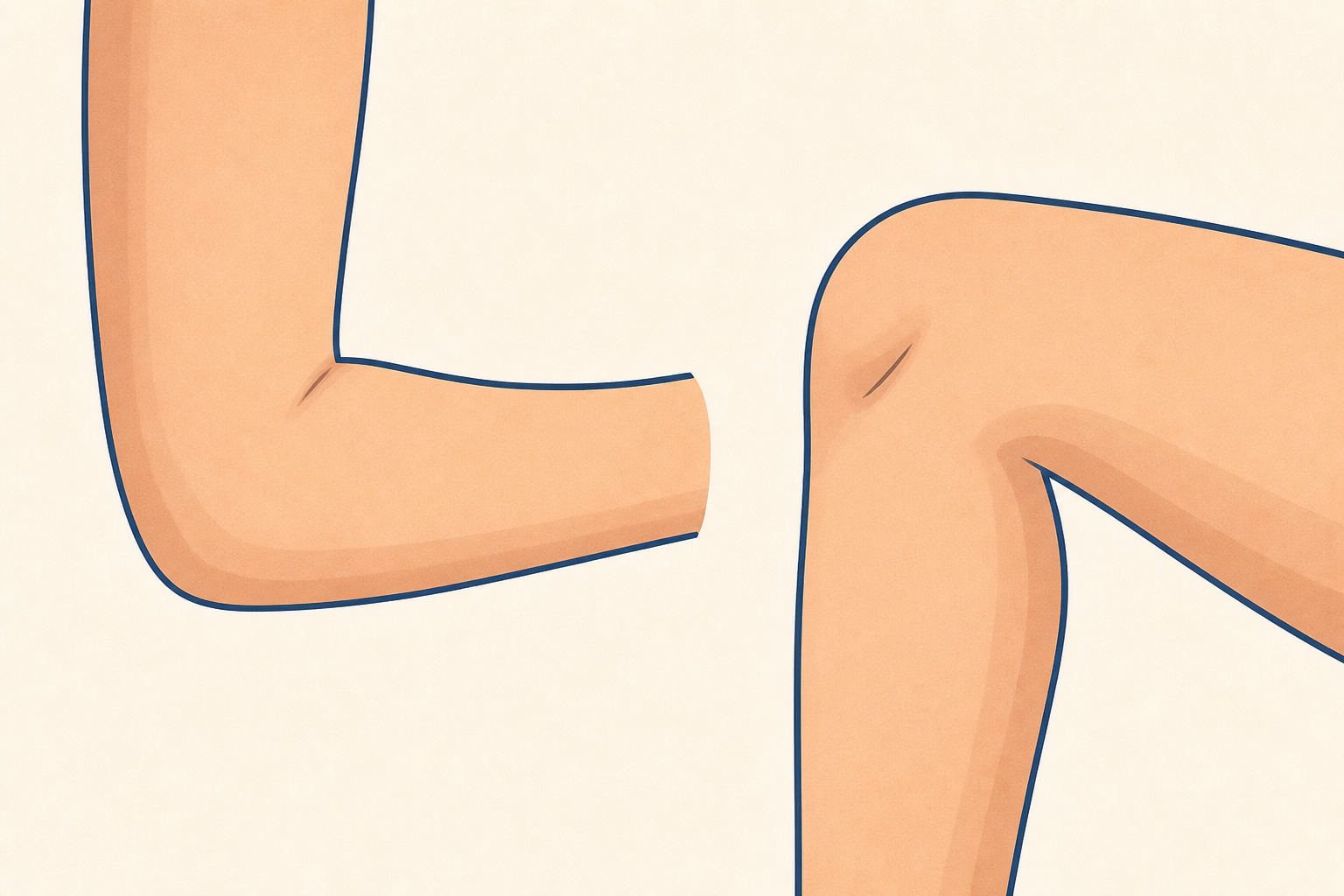
| Elbows — the bends in the middle of your arms | Elbows let your arms fold and stretch for dressing and play | Bending elbows to pull on a coat |
| Knees — the bends in the middle of your legs | Knees help you sit, stand, jump and climb | Bending knees to sit on the carpet |
| Ankles — just above your feet | Ankles help you walk, hop and keep your balance | Moving ankles when you tiptoe |
Misconception to head off: some children point to the wrist for ankle, or the whole arm for elbow. Gently guide the finger to the right place and say the name again.
Model once: I wonder where my elbows are. I think they are the bends in my arms. I look and touch — yes, here. So elbows are the middle bends of my arms.
Stand in your space. When I name a body part, touch it and say the name with me.
Ready? Head… neck… shoulders… elbows… knees… ankles!
Before you start: push chairs back or use the carpet so each child has room to stretch without touching a neighbour.
How to run it:
Look-fors: child touches the correct part; child says the name; child stays in their own space.
Differentiation: stand beside a child who needs a model and touch the part with them. Confident callers can lead a round.
Safety: gentle touching of own body only. No poking others. Soft knees and ankles — no hard stamping.
Sit with the friend beside you. That person is your talk partner.
When I name a body part, point to it on your own body and say the name with me. Then whisper the name to your talk partner.
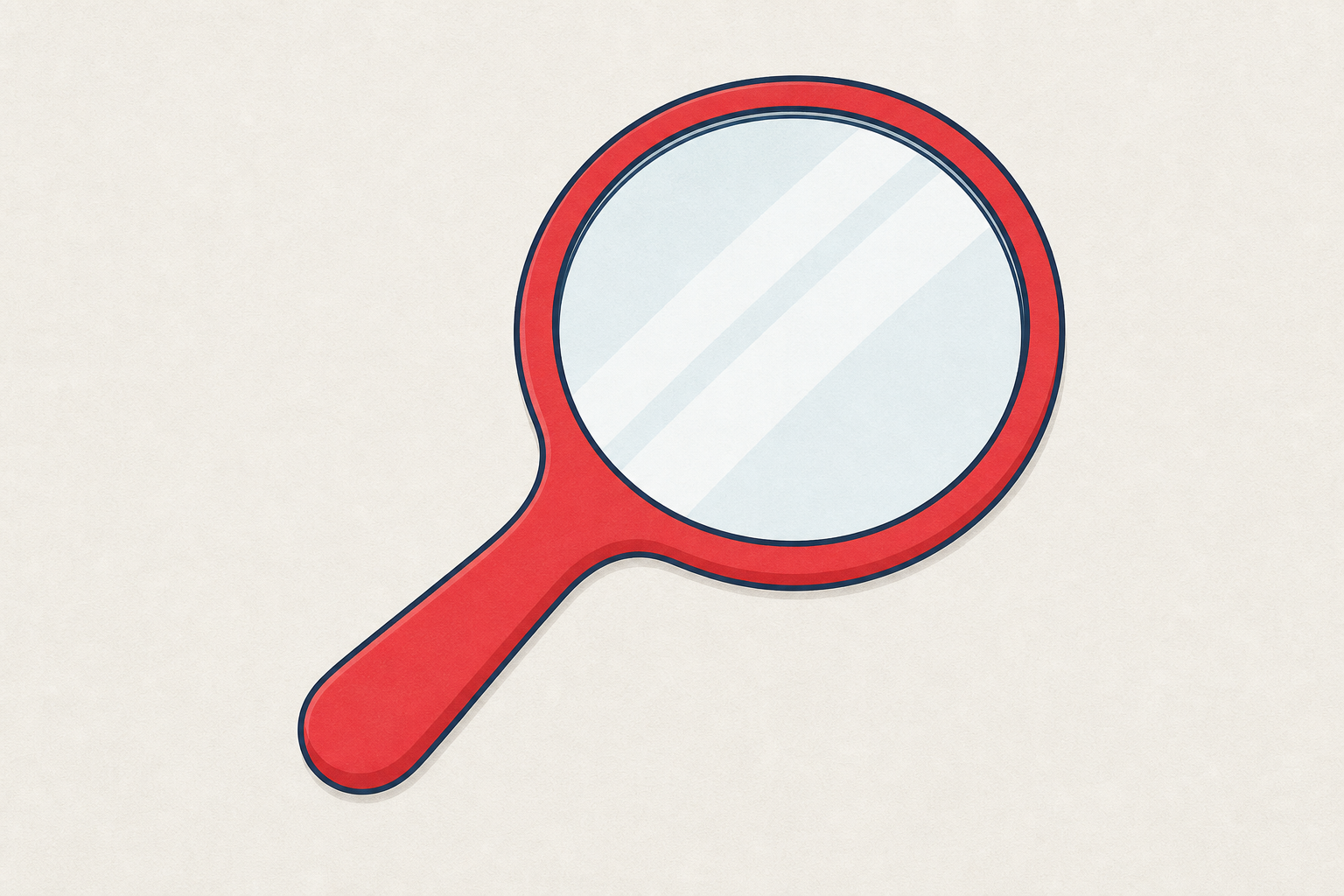
If I bring a mirror near you, you may look and check. You do not need a mirror to join in.
Before the prompts: seat children in pairs (or name who sits beside whom) so every child knows their talk partner before you start. The main action is point-on-own-body and say the name. Mirrors are an optional check only.
Mirrors (keep simple): default to one large class mirror you hold, or two or three shared plastic hand mirrors that you bring along the row. Do not hand out a full set. One-per-pair is optional only if you already have them ready and can manage them inside this step. Hand-out and collection must fit inside these four minutes.
Prompt sequence (say slowly — use all six):
Every child points on their own body and whispers the name to their partner, whether or not a mirror reaches them.
Watch for wrist/ankle mix-ups and whole-arm/elbow mix-ups. Revoice the correct place without making a fuss.
Look at the child on the board. The names are waiting off the figure.
Help us decide where each name goes. When we place a name, point to that part on your own body and say it with me.
Open the interactive on the IWB in explore mode (not display). The child figure starts without labels fixed on it. The six labels sit ready to place: head, neck, shoulders, elbows, knees, ankles. The class works out where each one goes; you do not show a finished labelled figure at load.
Drive it like this:
What good looks like: children help place or direct each label, say the name, and touch the matching part on themselves.
If the figure is hard to see from the back, invite the class to stand for this step.
Point to one part on your body that has ever felt sore or bumpy.
Who looks after us when a knee or an elbow hurts? Who needs the right name so they can help that part?
Whole-class talk on the carpet. Keep it oral and short. Start from the body hook already on the board (point to a sore or bumpy part), then the plain everyday question about people who look after us. Do not put helper job titles on the IWB until children have offered ideas.
Draw out after they talk:
Ask: If you bumped your knee, which helper might need that name? Revoice answers in simple words. Keep the body hook: children point to the part as they talk. This is the Nature of STEM weave for today — people who care for us use these names to help.
Do not turn this into a long careers talk. One or two clear examples is enough.
Touch one part you will remember today. Say its name out loud.
Then help tidy the mirrors and find your space.
Quick oral close with time to tidy. Keep the board free of a full written list of the six names — Senior Infants mostly cannot read it. Invite three children to name and touch one part each while you model on your own body. Celebrate joining in, not perfection.
Collect any mirrors and put chairs or carpet spaces back. A tiny home noticing idea you may say aloud: Tonight, show a grown-up your elbows and your ankles. Keep it oral only — no worksheet and no digital task.
You're previewing this lesson. Get full access to this lesson and hundreds more — each one ready to teach, with interactive activities, printable resources and pupil progress tracking built in.