Warning: Your screen size is quite small for viewing this. Rotate your device into landscape mode if you can.
Your turn
Your teacher is running this lesson on the board. Here is the part you can try yourself.
Group discussion
Construction
Ste exploration
Observation
1 - Getting Started ~3 mins
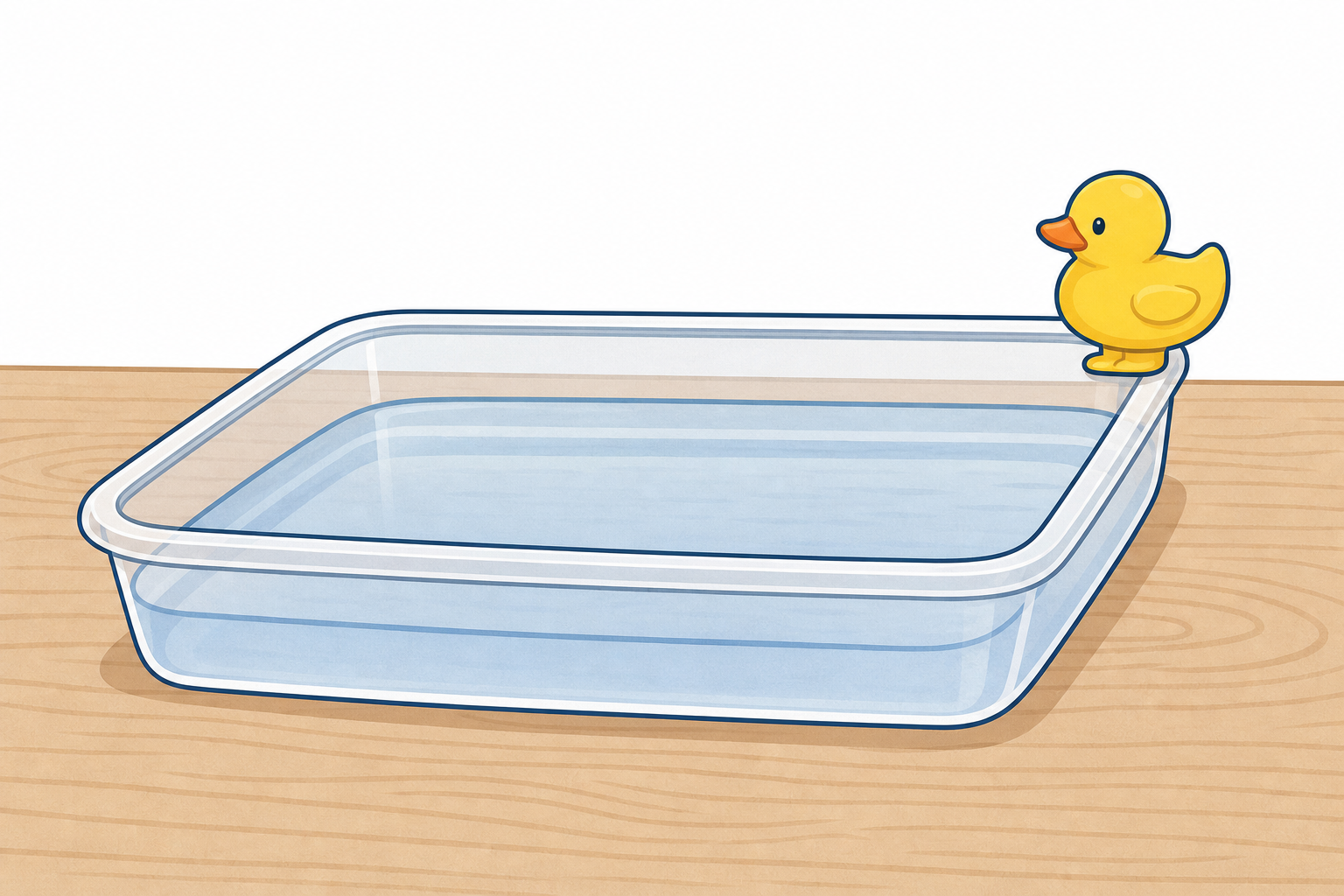 Look at this toy. It wants to cross the water tray. What could we make to help it float across?
2 - Talk and Share Ideas ~3 mins
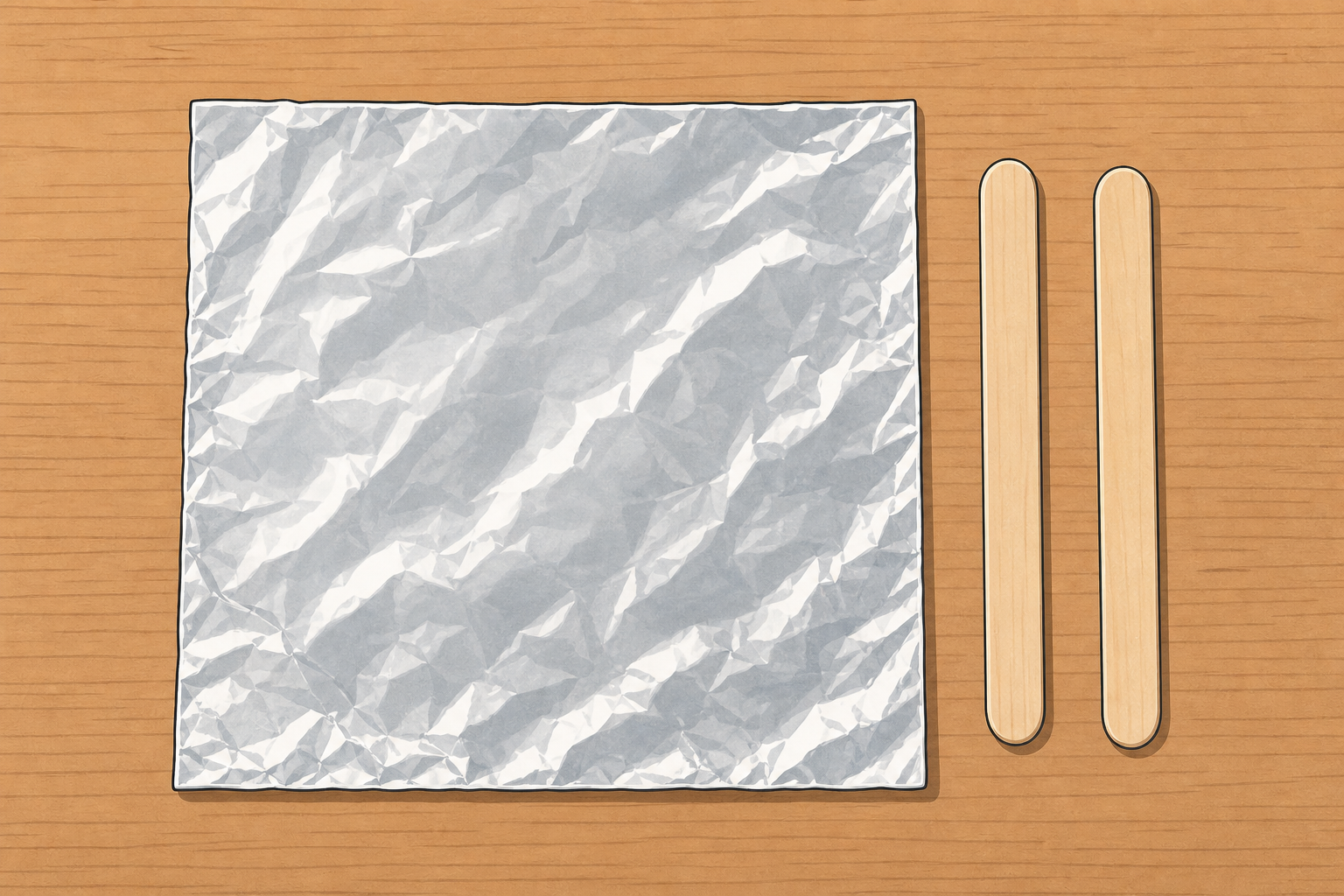 How could we shape foil and sticks into a little boat? Share one idea with a partner, then we will hear a few.
3 - Make a Little Boat ~10 mins
Press a hollow in the middle of your foil. Pinch the sides up so water will stay out.
4 - Float It and Fix ~6 mins
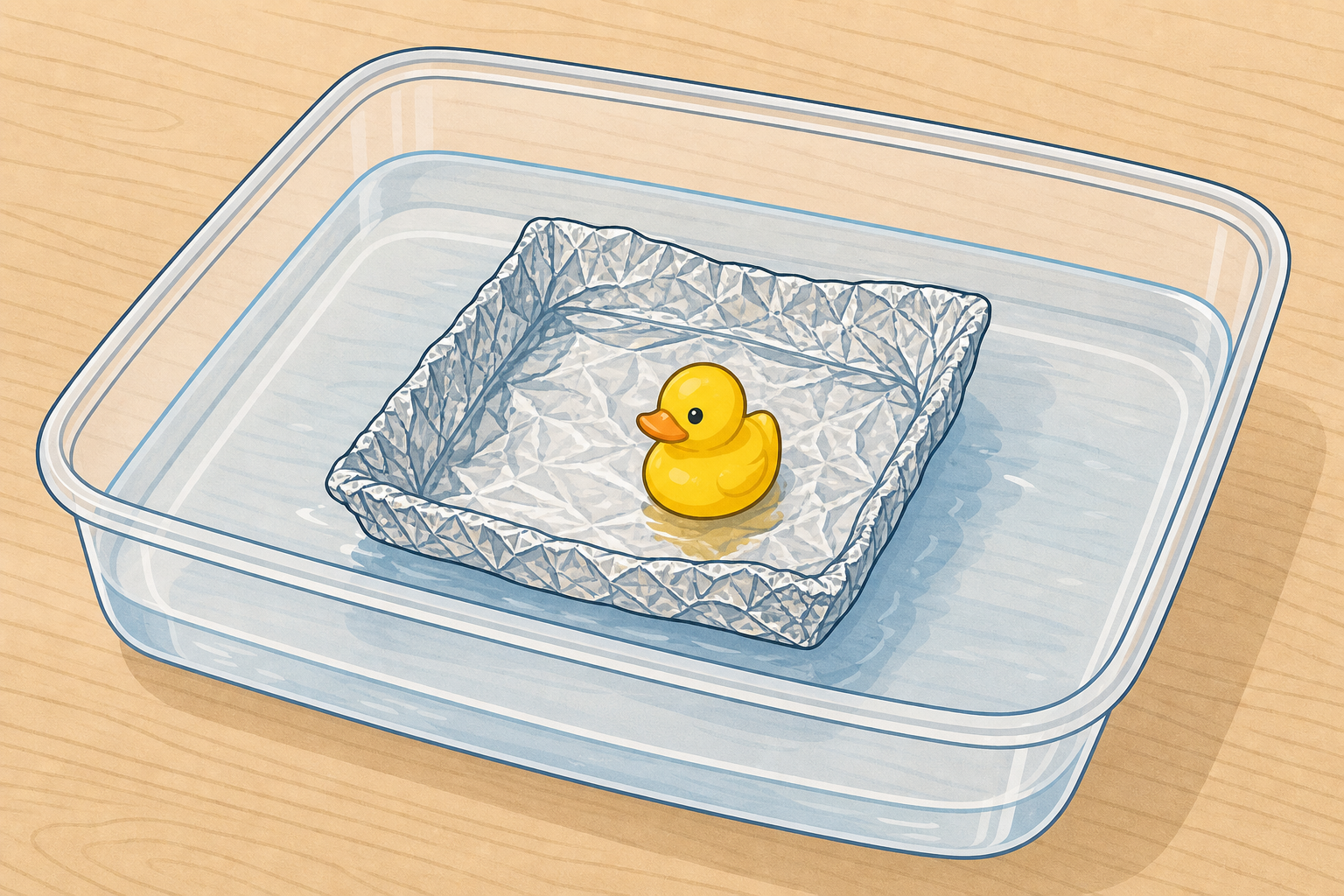 Boats take turns on the water. Watch each boat. If it tips, help think of one shape fix, then try again.
5 - What Helped It Float? ~2 mins
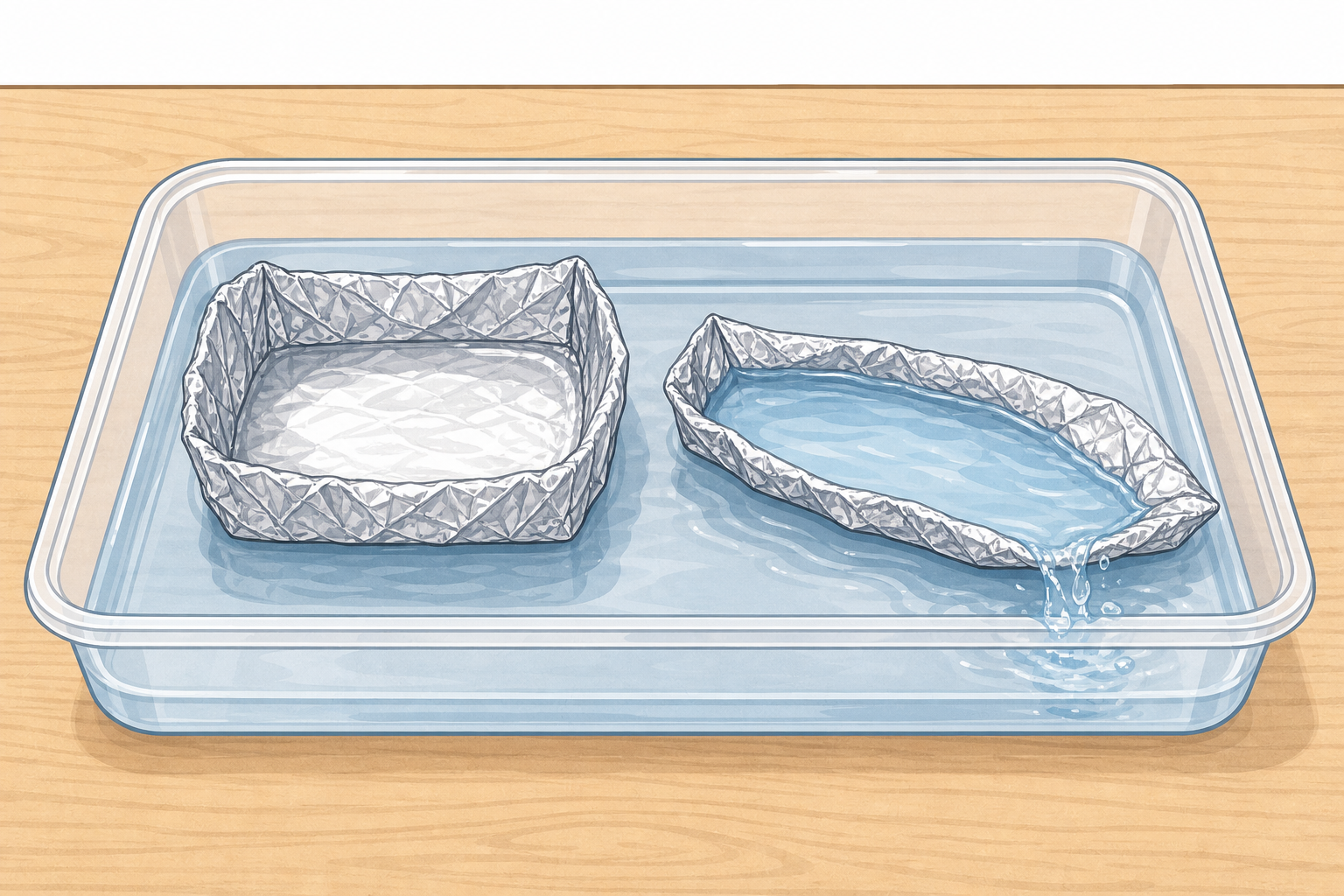 Look at the boats that stayed up. What do you notice about their shape?
123learn · Online learning platform
Unlock the full learning experience
You're previewing this lesson. Get full access to this lesson and hundreds more — each one ready to teach, with interactive activities, printable resources and pupil progress tracking built in.
Hundreds of curriculum-aligned lessons
Interactive activities in every lesson
Printable resources & progress tracking
Copyright Notice
This lesson is copyright of Coding Ireland 2017 - 2026. Unauthorised use, copying or distribution is not allowed.
This lesson is copyright of Coding Ireland 2017 - 2026. Unauthorised use, copying or distribution is not allowed.