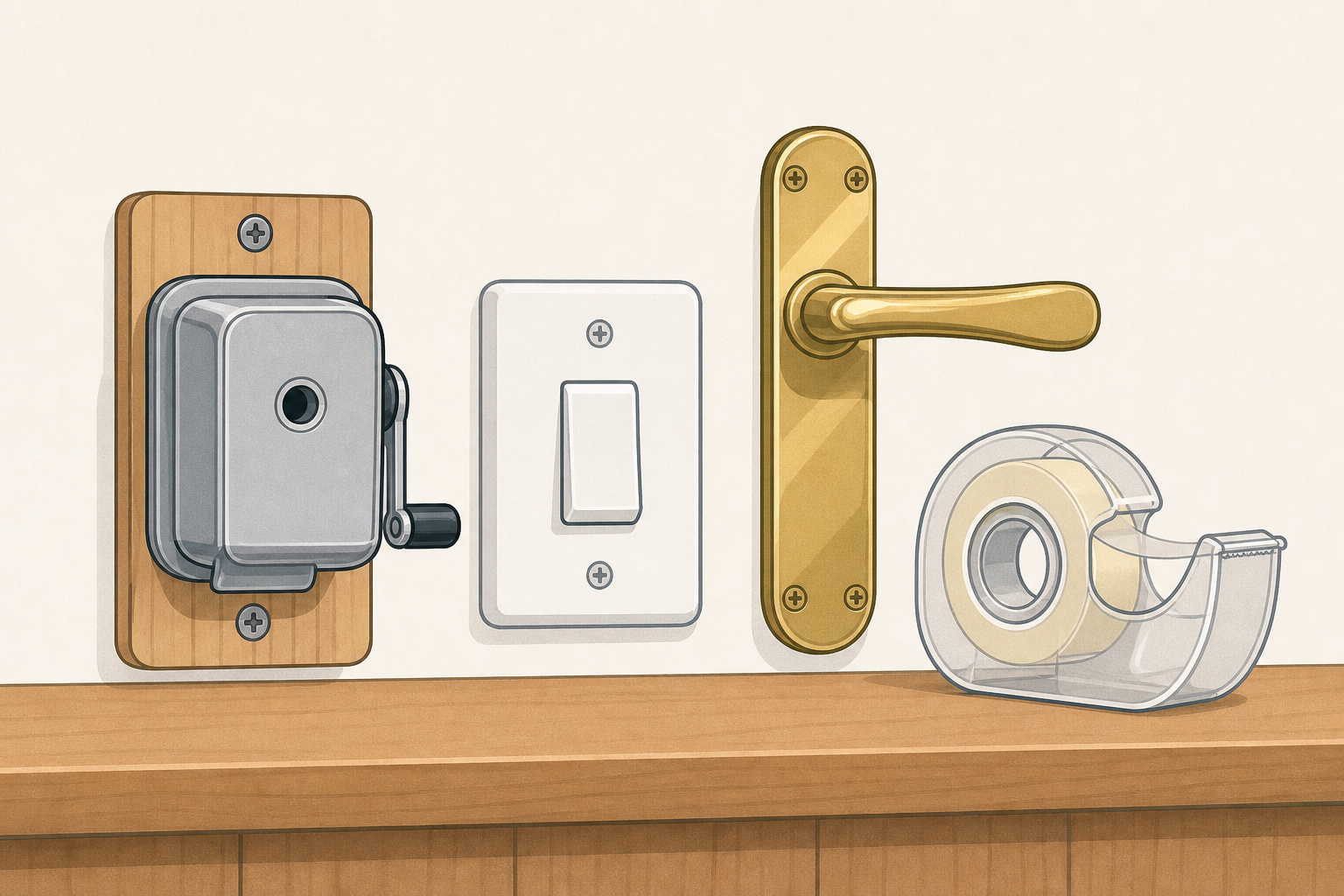
Look around our classroom for a moment. What do your eyes land on first?
Today we put on our STEM eyes. That means we notice everyday things and ask what they do.
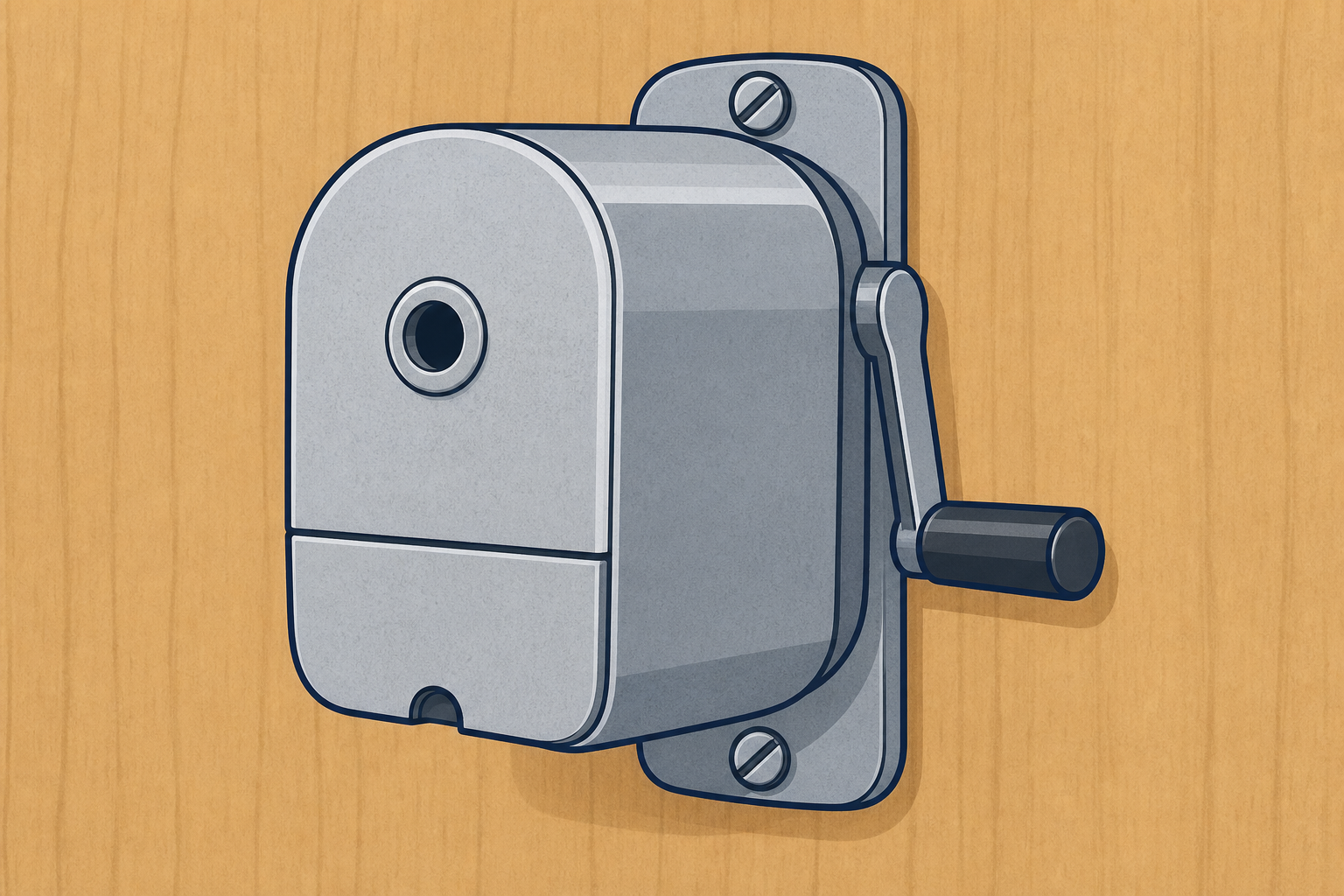
Keep this beat light and short. Do not begin the walk yet.
Invite three or four quick calls: a door, a window, a coat hook, a bin. Revoice each answer as noticing: You noticed the window. What does a window do?
STEM eyes posture: this whole year we notice science, technology and engineering in the places children already know: classroom, yard, play area and home.
Course note (for you, not the board): this course is branded STE (Science, Technology and Engineering). The child-facing habit is still called STEM eyes because it is a memorable looking habit. Maths is not taught as a letter or strand in this course; counting, shape and measure appear later only as tools inside investigations. You do not need to teach the four letters or explain the M today.
Watch me look carefully at one thing in our room. We call that using our STEM eyes.
What do you think I will notice?
Lead with the live model. Name STEM eyes on the board as the main idea. Weave notice and wonder as things we do in the model, not as a three-word glossary dump before any doing.
| Concept | Why it matters | Example |
|---|---|---|
| STEM eyes — looking carefully at science, technology and engineering around us and wondering how things work | STE starts with noticing everyday things at school and home, not only in books | Looking at a classroom door and asking what makes it open and shut |
| Notice — look, listen or feel carefully and say what you find | Good noticing gives us something real to talk about and draw | Noticing that the playground slide is smooth and shiny |
| Wonder — ask a question about something you have noticed | A wonder question is how we begin finding things out | I wonder what makes the leaves on the yard tree wiggle |
Stand by one ordinary object, for example the classroom radiator or the wall clock. Think aloud in full sentences, in this order so children can copy it on the walk:
After the model, say once in plain talk: When we say what we find, we notice. When we ask a question, we wonder. Do not leave a three-term vocabulary block on the board for children to read alone.
Write one short wonder from the class on a sticky note and pin it to the existing noticeboard or wall space that will become the class I wonder wall. Do not prepare a special sheet: the pinned notes are the wall.
Misconception to head off: children may think STEM only means tablets or robots. Gently widen it: a spoon, a zip, a slide and a growing plant all count when we notice what they do. If a colleague asks about the M in STEM, Maths is not a separate strand in this STE course; it appears later only inside counting, shape and measure.
Differentiation: invite quieter pupils to point first, then offer the stem I notice… for them to finish aloud.
We are going on a noticing walk: first around our classroom, then out to the yard.
At each stop, turn to the person beside you. Point to something and whisper: what do you notice, and what does it do? Then we will hear a few voices as a class.
Before we line up to come back, we will each say what we will draw so we keep one favourite find ready.
No clipboards outdoors. Children remember one favourite find; all formal recording happens on the Investigation Journal page back in class. Agree the route and the stop signals before you leave.
Each stop is the same short pattern so it fits four stops in 14 minutes with 1st Class transitions:
Do not run long open partner talk or free roaming. Watching and listening is real participation.
Minimum viable route (use this if time is tight): classroom + yard only. Skip a third zone so you still return in time for drawing.
Whole-class call: What will you draw when we get back? Go round quickly so each child names or points to one find while it is fresh. Keep it brisk: a word or short phrase is enough.
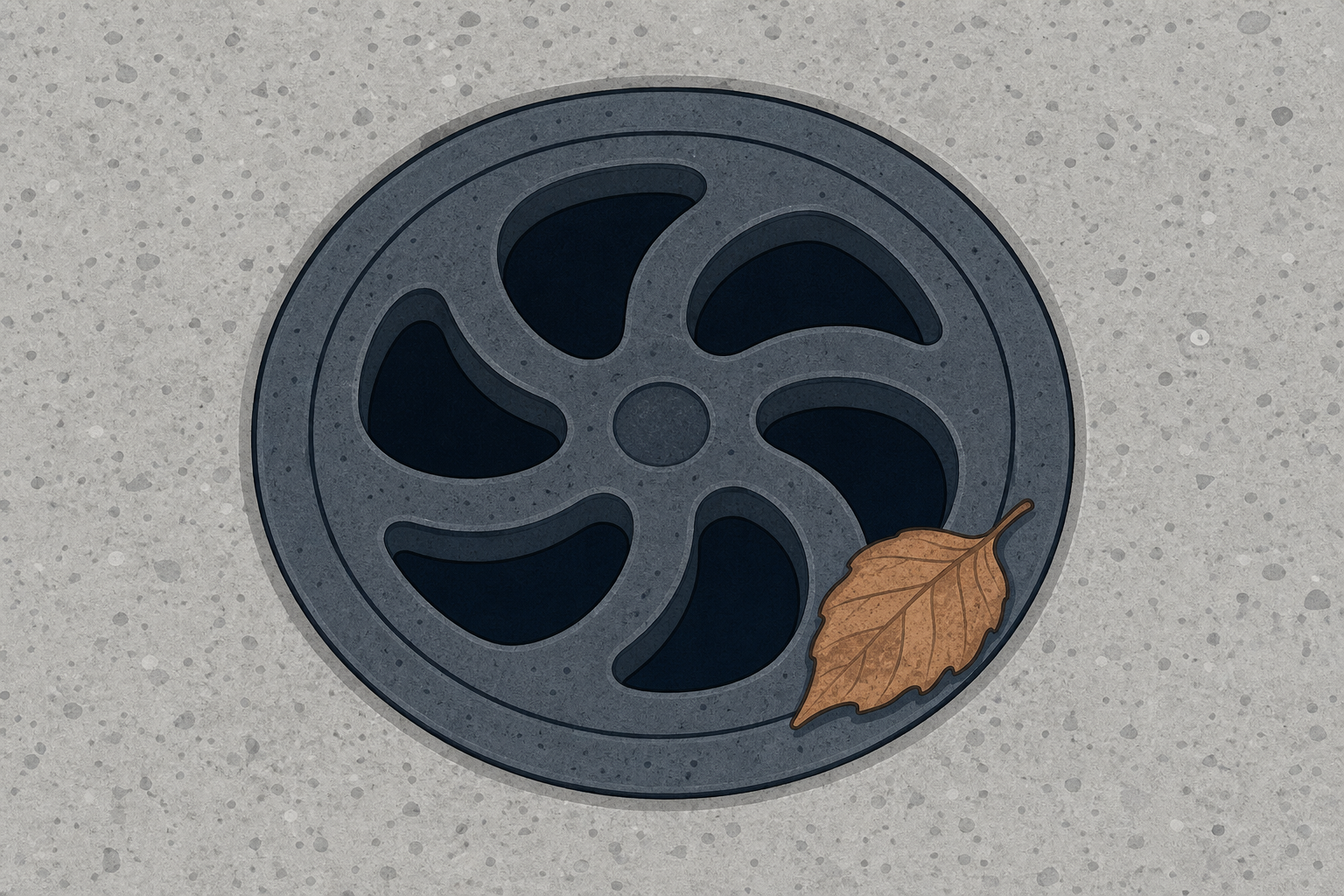
Fallback if someone goes blank: offer two real options from today’s stops (the hinge or the drain cover?), or let their partner whisper a reminder. Do not invent a new object they never saw.
Line-up, doors, coats and a quick hand wash after outdoor surfaces come out of this 14-minute walk block, not out of the drawing step. Aim to be seated with pages ready so the next step can start on time.
What good noticing sounds like: “The slide is smooth so we go fast,” “The bin lid flips up,” “The leaves wiggle in the wind.” Praise the careful look more than a long answer.
Safety: stay inside agreed boundaries; walking feet; no picking or tasting plants or found objects; count the class in and out.
Weather fallback: if outdoor time is not possible, run a rich indoor noticing trail (cloakroom, corridor window, PE equipment store door) with the same stop pattern, the same end-of-walk recall, and the same two-zone limit.
Homework (optional, oral): tonight notice one thing at home that helps someone do a job, and be ready to tell us what it does.
On the drawing page your teacher gives you, draw the one thing you noticed best.
Add a short label: its name, or what it does. If you have a wonder, you can say it to the person beside you.
Start this step only once the class is seated after return-and-settle (that cost sits in the walk timing). Hand out the Investigation Journal page now and name it aloud as you do: This is your drawing page for today. This is the paper recording beat. Ask only for a drawing of one noticed thing and a short label. Do not invent extra columns or boxes on that page.
Protect the drawing: the journal page is the load-bearing record for this lesson. If the walk and settle ran long, keep this full 8 minutes and shorten the next share-and-wall step (cut whole-class shares to two voices and pin fewer sticky notes) rather than cutting the drawing.
If a child still cannot name a find, use the same fallback as the yard recall: two options from today’s stops, or a partner reminder, then draw that.
Support: offer oral stems while you circulate: I noticed… It does… Scribes may write a two- or three-word label for emerging writers. Some pupils may only draw; that is enough at this stage if they can point and tell you.
Look-fors:
Keep sticky notes ready for the next step so strong wonder questions can move to the wall (you or a scribe will write most of them).
Turn to the person beside you. Show your drawing. Say what you noticed and what it does. If you have a wonder, say it out loud.
We are starting a class I wonder wall. Your job is to share a wonder; watch your teacher write it and pin it on our wall. We will hear a few shares together.
Format: think-pair-share with the person beside them, then three or four whole-class voices (or only two if you are protecting time after a long settle).
Point to the noticeboard or wall space (or a corner of the IWB list if wall space is tight) as you introduce it, so every child can see where the wall is.
Revoice answers so STEM language sticks: notice, does, wonder, help, move, hold.
I wonder wall (teacher/scribe by default): children do not write or pin the notes themselves. You write most sticky notes from children’s spoken wonders, e.g. I wonder how the slide stays up. Confident writers may help if they wish, but do not stall the share waiting for every child to write. Pin the notes on the existing board. Do not prepare a giant pre-made wall sheet; the collection of notes is the wall.
Key idea to land: STEM eyes means we keep noticing ordinary science, technology and engineering at school and asking what things do. This wall will grow across the year.
Misconception: if a child only names a favourite toy with no “what it does,” prompt once: What job does it help with?
Today we used our STEM eyes. We noticed everyday things and asked what they do.
Where else could you use your STEM eyes this week: at home, in the yard, or on the way to school?
Keep the close short and hopeful. Invite two quick ideas for noticing at home (a tap, a zip, a kettle clicking, a bike wheel).
Success look-fors for this lesson:
Leave the I wonder wall visible for the next living-things lessons.
Pack away and wash hands if pupils handled outdoor surfaces.
You're previewing this lesson. Get full access to this lesson and hundreds more — each one ready to teach, with interactive activities, printable resources and pupil progress tracking built in.