Computer Science
Beginner
40 mins
Teacher/Student led
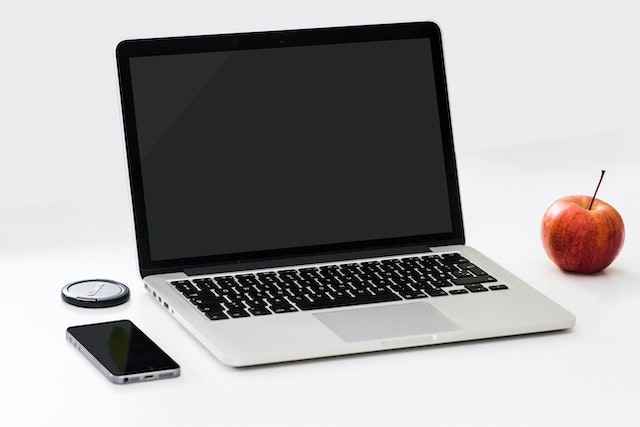 Chromebooks, laptops, and PCs are crucial tools for coding and digital skills education. Chromebooks are ideal for web-based applications and collaborative projects, while laptops and PCs support a wider range of programming environments and software for more intensive tasks like software development and data analysis.
Emerging Trends in AI and Computing
Explore the fascinating world of AI and computing in this lesson. You'll trace their historical evolution, investigate cutting-edge trends like quantum computing and generative AI, and reflect on their societal impacts and future influence on your life.
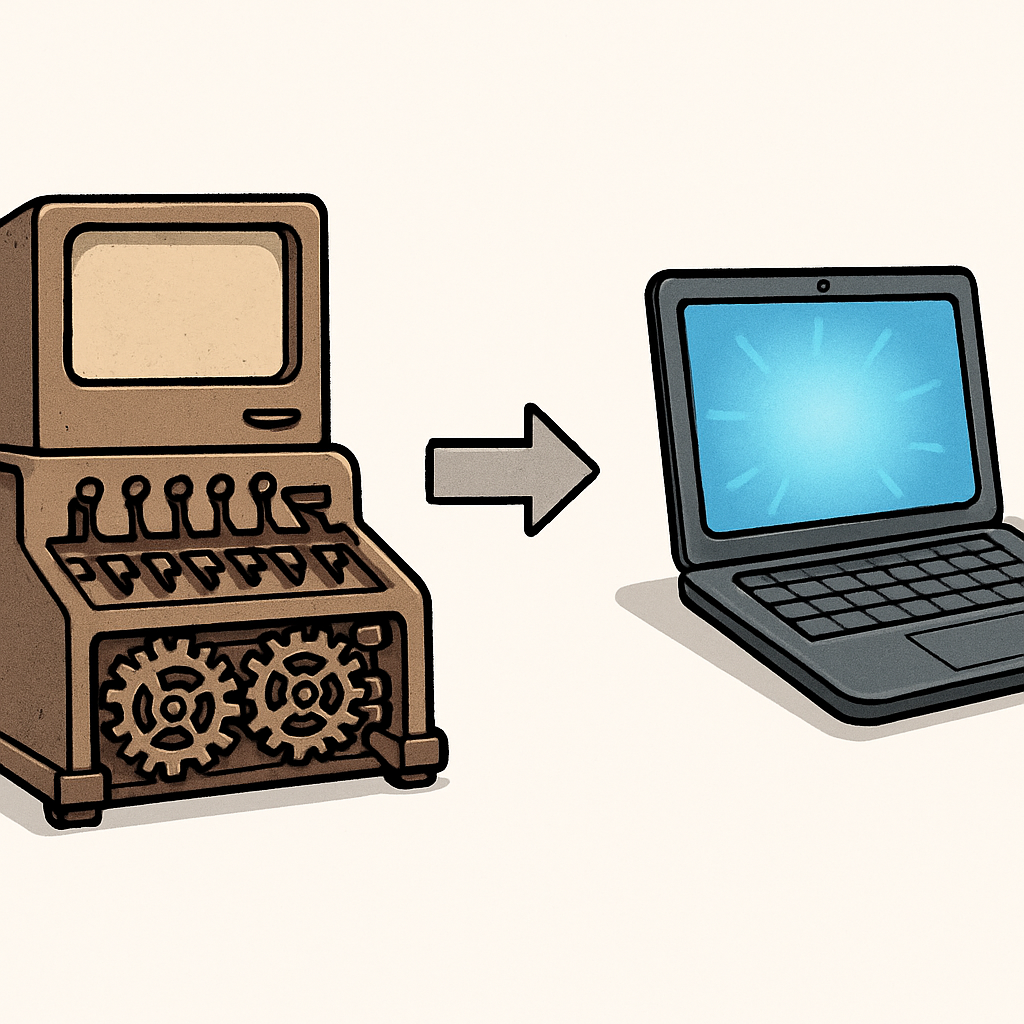 Over the last 100 years, computing has transformed from mechanical machines to powerful digital systems that influence every aspect of our lives. These developments have not only made technology faster and more accessible but have also enabled breakthroughs in science, communication, and entertainment. Let's explore some pivotal milestones in more detail:
 As computing continues to evolve, several emerging trends are poised to transform how we process information, connect devices, and address global challenges. These build directly on historical developments, such as the shift from mainframes to cloud systems, and promise even more powerful, efficient, and sustainable technologies. Let's explore some key trends in more detail:
 AI is evolving rapidly, building on decades of computing advancements to create intelligent systems that mimic human-like decision-making. Here are key emerging trends, with examples of how they might be applied: