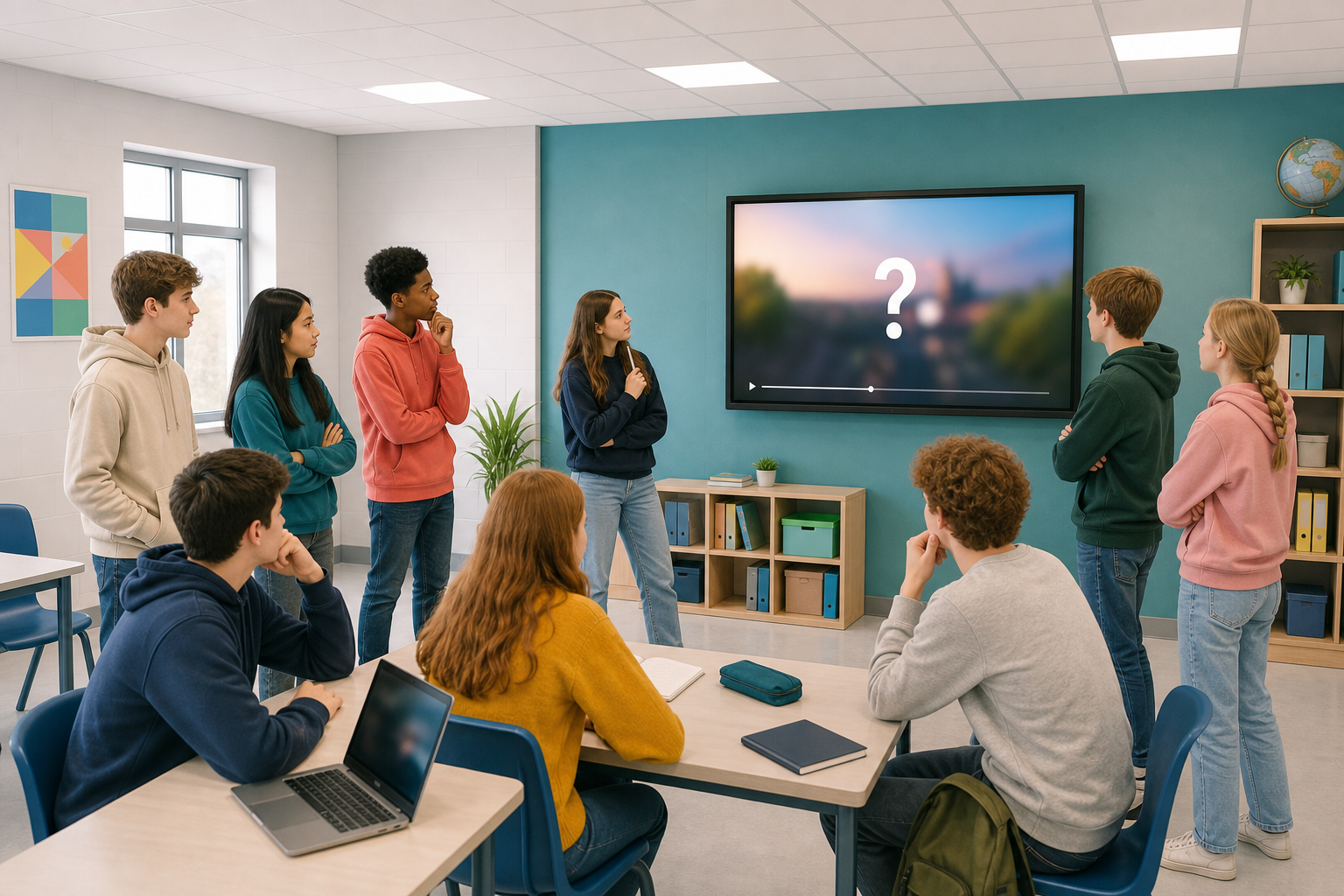
 You have already practised spotting when an image, clip or soundtrack has been altered, and what that change does to a viewer. Today the question gets harder: can we still tell when media was never captured from the real world at all?
You will learn what deepfakes and synthetic media are, try a class vote detection challenge with three possible calls (real, likely synthetic, or cannot tell), then discuss what that means for news, evidence and trust.
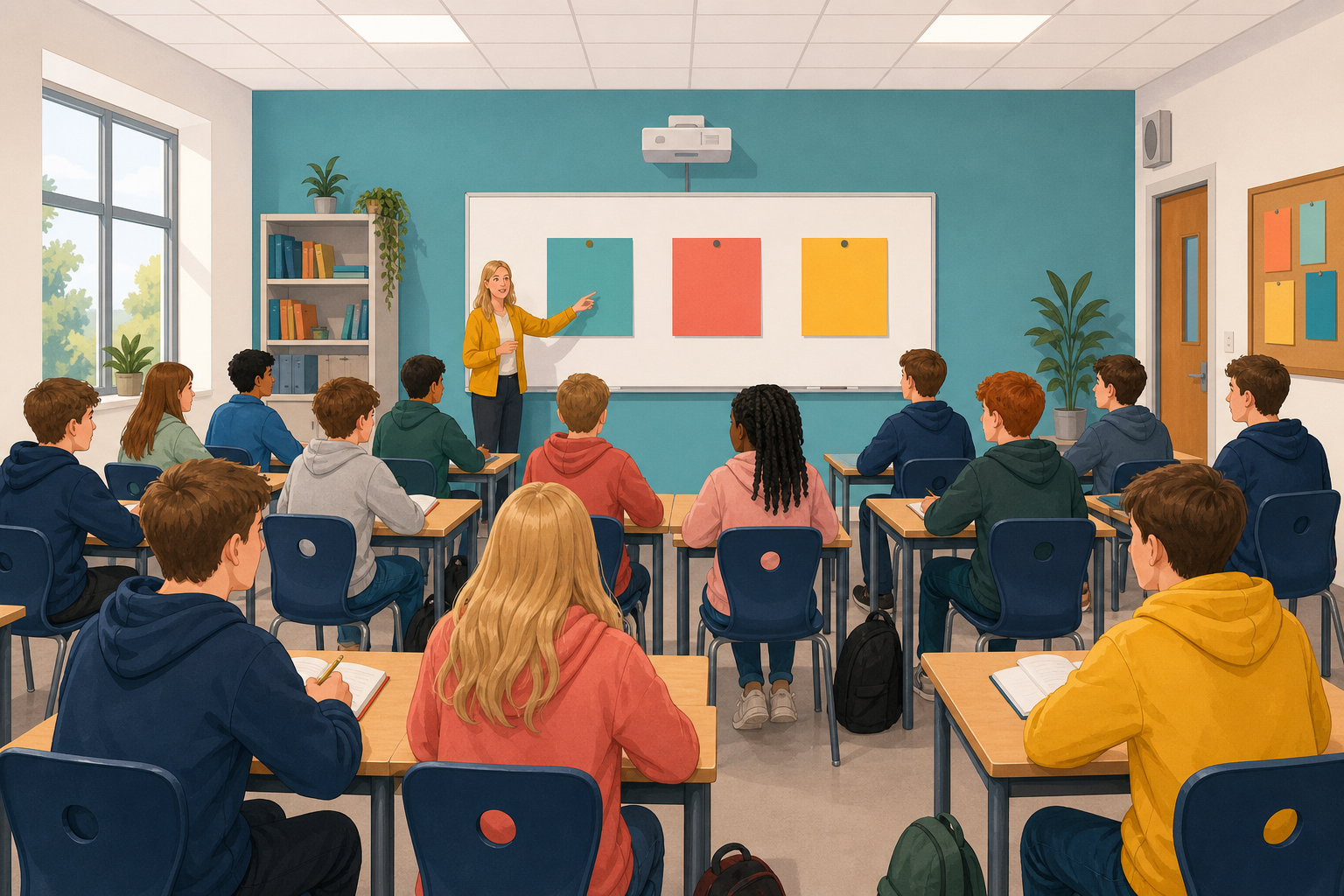 Synthetic media is image, audio or video made wholly or partly by a machine rather than captured straight from the real world. A deepfake is a form of synthetic or heavily AI-manipulated media that makes a person appear to say or do something they did not.
Today's shared verdicts:
- Real: captured from the world, with natural imperfections and a checkable source
- Likely synthetic: strong signs of machine generation or deepfake-style manipulation
- Cannot tell: not enough evidence from what you can see or hear alone
Clean quality is not proof something is real. Knowing when to pause and say cannot tell is part of the skill.
This is a class vote challenge. Work through each item together. For every piece of invented media, look closely with a partner: what do you notice? Then commit as a class to one verdict: real, likely synthetic, or cannot tell, and be ready to say why. After the class commits, the reasoning is revealed. The learning is in the reasoning, not in a score.
We will work four items as a class; one extra if time. Use the interactive activity on the board. Be ready to say which detail did the most work for you, and when you chose cannot tell on purpose.
Real, likely synthetic, or cannot tell?
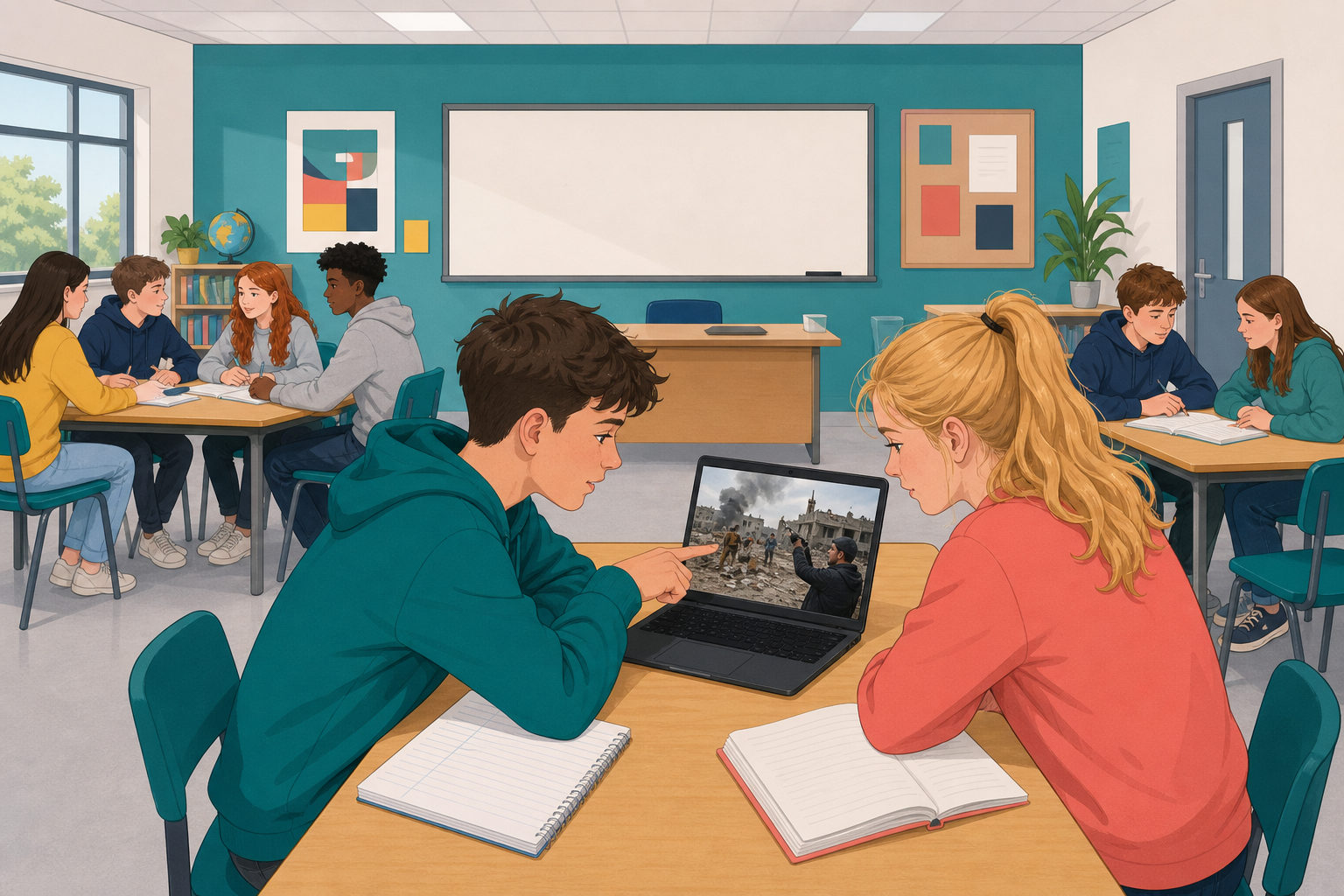 In pairs, then as a class, take on this open question. There is no single correct answer the lesson is steering you toward.
When any image, voice or video could be fabricated, what changes for evidence, and for trust between people?
Use the two case cards below. For each, name one risk and one habit that would help. Be ready to share one sentence with the room.
- Evidence: A voice note appears in a club group chat in which a committee member seems to admit misusing bake-sale money. They say they never said it. What would make the clip stronger or weaker as evidence?
- Trust: A sports star students follow posts a heartfelt apology video. Comments split between "finally" and "this is fake". What does constant suspicion cost, and what does blind trust cost?
Before you finish, check:
- your pair has one risk and one helpful habit for both cards (or at least the Evidence card if time is short)
- you can state your view in one clear sentence without needing everyone to agree
- you can name when "cannot tell yet" is the responsible position
Pull the threads together. Deepfakes and synthetic media mean some images, voices and videos are machine-made or machine-reshaped.
Clean quality is not proof of reality, and “cannot tell” is sometimes the honest, skilled call.
The habit that changed in the room today:
- Pause on high-stakes or highly emotional media.
- Look for a checkable source.
- Verify before you treat a clip as evidence or pass it on.
People, platforms and researchers are still building better labelling and detection tools. Your part is not panic, it is careful judgment.
Unlock the full learning experience
You're previewing this lesson. Get full access to this lesson and hundreds more — each one ready to teach, with interactive activities, printable resources and pupil progress tracking built in.
This lesson is copyright of Coding Ireland 2017 - 2025. Unauthorised use, copying or distribution is not allowed.