1 - Start ~4 mins
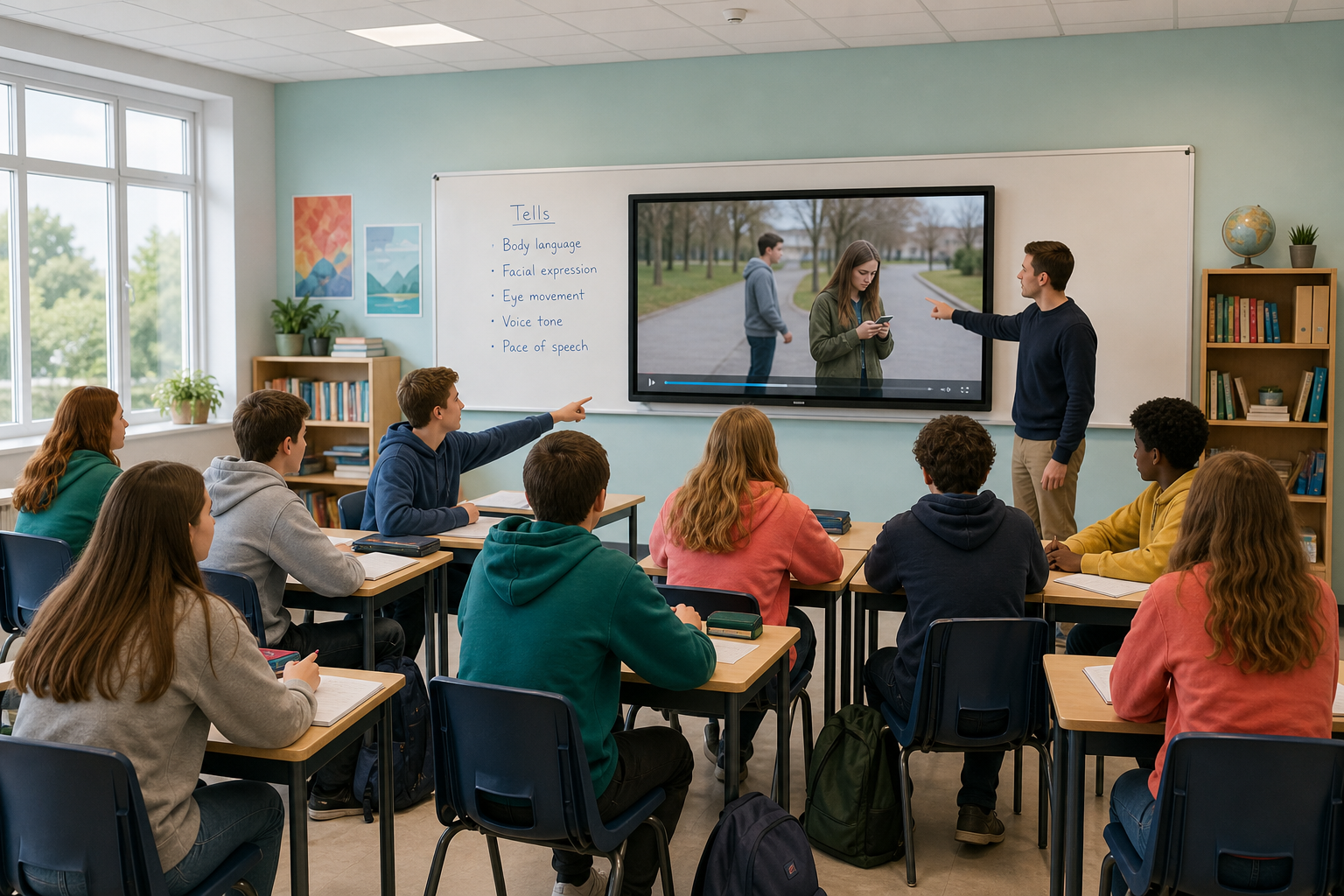 You already know still-image models fail in patterned ways (hands, text, physics). Today the same habit moves to short clips and animated images.
You will judge three clips first, then make one of your own, hunt for the failures in it, and turn those failures into a class list of tells (the small giveaways that a clip was generated, like broken hands or text that does not read). You can use that list on any clip someone sends you.
2 - Examine: Real or Generated? ~8 mins
You are about to judge three short clips. One of them was generated. For each clip, commit to a verdict and one reason before anything is revealed. Trust what you can actually see or hear, not a guess about how hard the clip would be to fake.
Real or generated?
3 - Hands-on: Generate, Then Hunt Failures ~12 mins
Now make a short clip or animated image, then study your output for what the model did badly. The class list of tells comes only from what actually breaks on screen, not from a list handed to you.
Worked example (shape only): prompt used on the board: A Transition Year student locks a bike outside a local shop on a wet Irish afternoon, short cinematic clip, natural sound. Your school may use a different assistant. Same shape of prompt; live result comes from whatever your teacher runs.
One usable output is success. Run one prompt. If it finishes fast and you still have time, you may change one word and run again. Otherwise go straight to hunting failures on the first result. Do not start a second generation unless the first is already on screen.
If you are working alone: open your school AI tool that can make a short clip or animated image. Use this prompt shape: [subject] + [one action] + [a place you know]. Paste your prompt into your notes. After it generates, list every odd detail you see. Build your own tells list of at least four concrete failures, each with what you pointed at on screen.
Follow the steps. Keep a rough note of every failure you spot.
4 - Your Turn: Three Tells You Trust ~10 mins
Write the three tells you would check first on a clip someone sends you. They must come from what you saw fail in today's generation (or in the class list built from real failures), not from a memorised generic warning.
Done looks like:
- Three tells, each in one short line
- Each tell tied to something you actually saw break today
- One extra line: which of the three you would check first on a new clip, and why
- Saved the class way so you still have it next session
- If your generation did not run, take two tells from the three opening clips (name the exact detail) and write one more you would still check first, and why
5 - Make Sense ~3 mins
You did not learn those tells from a warning poster. You found them by making synthetic media and watching it fail in patterned ways: hands, text, physics, continuity, sound against mouth.
That is why generation is useful for recognition. The same weaknesses show up in clips you did not make. When someone next forwards a clip, you already know which three checks you would run first. Tools will improve; the habit of checking a short list against the frame still travels.
Unlock the full learning experience
You're previewing this lesson. Get full access to this lesson and hundreds more — each one ready to teach, with interactive activities, printable resources and pupil progress tracking built in.
This lesson is copyright of Coding Ireland 2017 - 2025. Unauthorised use, copying or distribution is not allowed.