Watch a 2-minute overview
Platform used by 1 in 3 schools
Meath
Kilkenny

Dublin
Kildare
Donegal
Kildare
Clare

Dublin
Cork
Dublin
Limerick

Dublin

Dublin

Dublin
.png)
Dublin
Kildare
.png)
Dublin
Galway

Sligo

Mayo
Donegal
.png)
Dublin
Cork
Carlow
Westmeath

Kildare
Wexford
.png)
Donegal
Waterford

Kerry
Primary Computing, Maths & Languages for Primary Education
Our primary curriculum covers Computing, Mathematics and Modern Foreign Languages — giving teachers ready-to-use lesson plans, activities and resources across KS1 and KS2.
- From Year 1 to Year 6 students
 Coding
 Digital Literacy
 Robotics
 AI
AI
 Online Safety
 Spanish
 French
 German

Solving Problems
Coding Without Screens, Explore Patterns Hands-On!
.png)

Exploring Robotics and Commands
Becoming Robot Programmers: BeeBots Take on New Challenges!
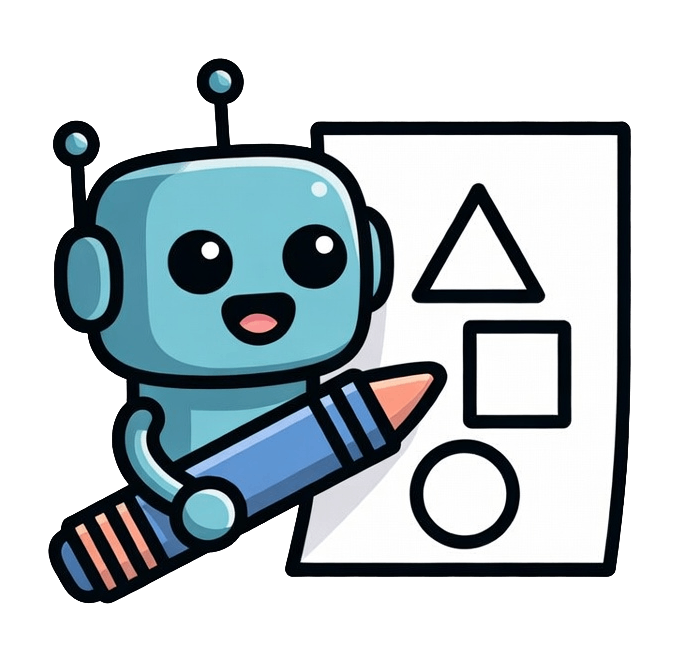
Unplugged Coding - Art
Unlugged coding using creative art and patterns.
Unplugged Coding - Music
Unplugged coding using rhythm, percussion and musical storytelling.

The World of Logic
Build a Solid Base with Unplugged Coding Lessons
Adventures in Digital Creation
Bring Your Ideas to Life with Scratch Jr!

Electricity and Simple Circuits
Explore Electricity in Action by Building Real-World Circuits!
Unplugged Coding - Art
Unlugged coding using creative art and patterns.
Unplugged Coding - Music
Unplugged coding using rhythm, percussion and musical storytelling.
My First Coding Adventure
Start your coding journey with fun and simple projects!
Exploring Coding
Coding Made Easy: Drag & Drop Fun with Coding Blocks!
Discovering the Magic of Circuits
From Simple to Sparks, build exciting circuits in the classroom
Pattern Play Without Devices
Explore STEM through fun, unplugged activities.
My First Coding Adventure
Start your coding journey with fun and simple projects!
Coding and Creative Projects
Create Games and Animations with Block Based Coding
Introduction to Game Design
Level Up and Code Your Own Arcade Games!
Microbit Basics
Introduction to microbits: coding simple interactions
Cyber Safety
Master online safety essentials for confident digital citizenship.
Dynamic Digital Projects
Design Interactive Stories and Games Through Coding
Microbit Adventures
Exploring creative projects with microbit technology
Cyber Safety
Master online safety essentials for confident digital citizenship.
Coding and Interactive Creators
Code Like a Creator, Design Amazing Games and Animations with Scratch!
Microbit Masterclass
Developing skills through engaging microbit projects
.png)
Digital Media Literacy
Master Digital Media Literacy with confidence!
Cyber Safety
Master online safety essentials for confident digital citizenship.
Discovering Artificial Intelligence
Discover AI and learn how to program it using Scratch.
.png)



.png)
(1).png)