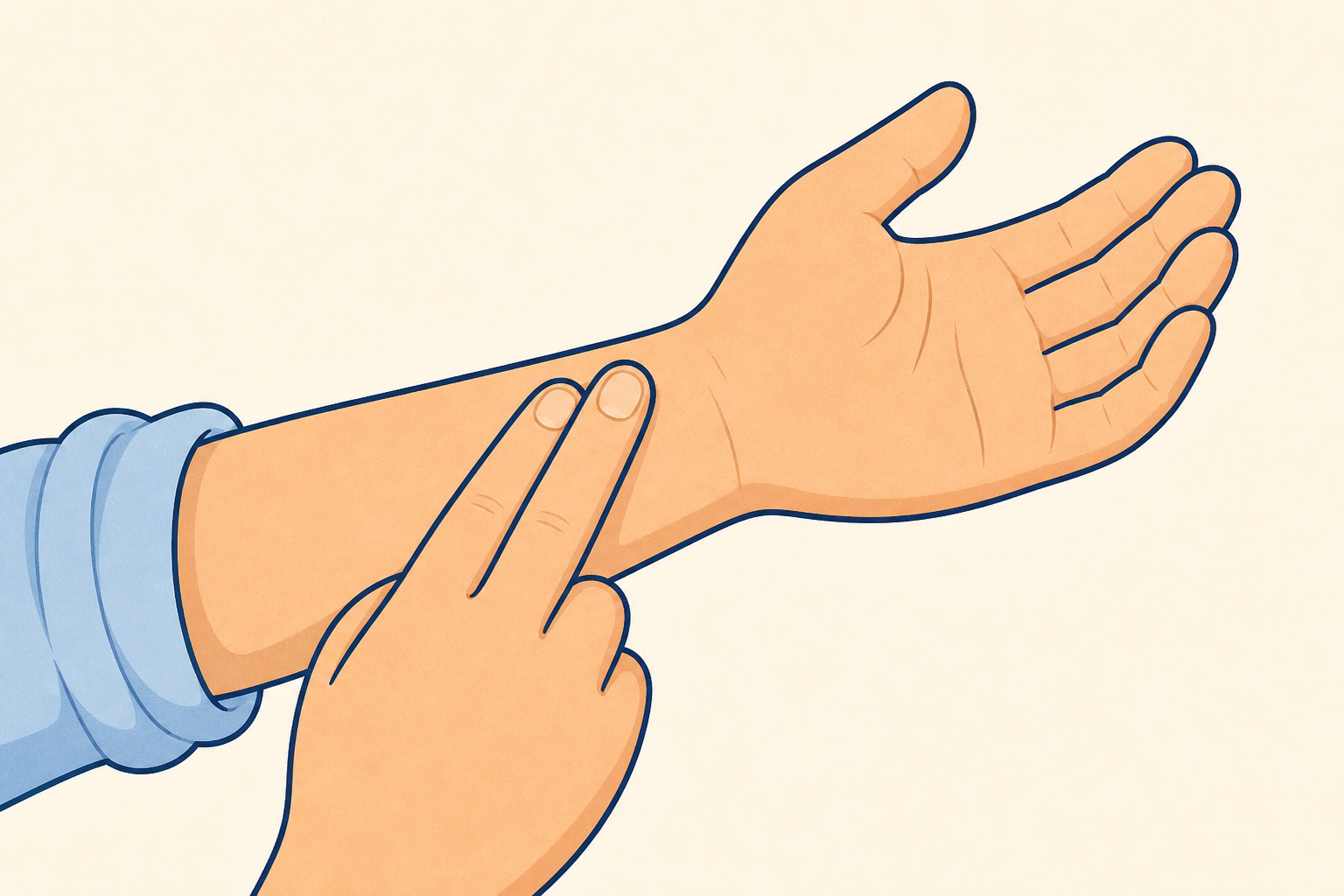
Put two fingers gently on the inside of your wrist. Can you feel a tiny beat? What do you think is making that throb?
Keep this beat light and curious. Invite a few volunteers to try finding a beat on their own wrist while the rest of the class watches. Do not name the full investigation yet.
Hand out now: give every pupil their Investigation Journal page at the start of this step so it is on the desk before any prediction write later. If anyone is missing a page, print or copy one before you leave this beat.
Key question: What do you think that little beat is?
What to expect: some pupils will feel it straight away; others will need a calm moment and a finger nudge to the right spot. That is fine. Finding the pulse is taught properly in the next steps.
Before the lesson: push desks back enough for safe star-jumps or marching on the spot; open the fair-test-timer interactive on the IWB ready for later; print the Investigation Journal page for each pupil.
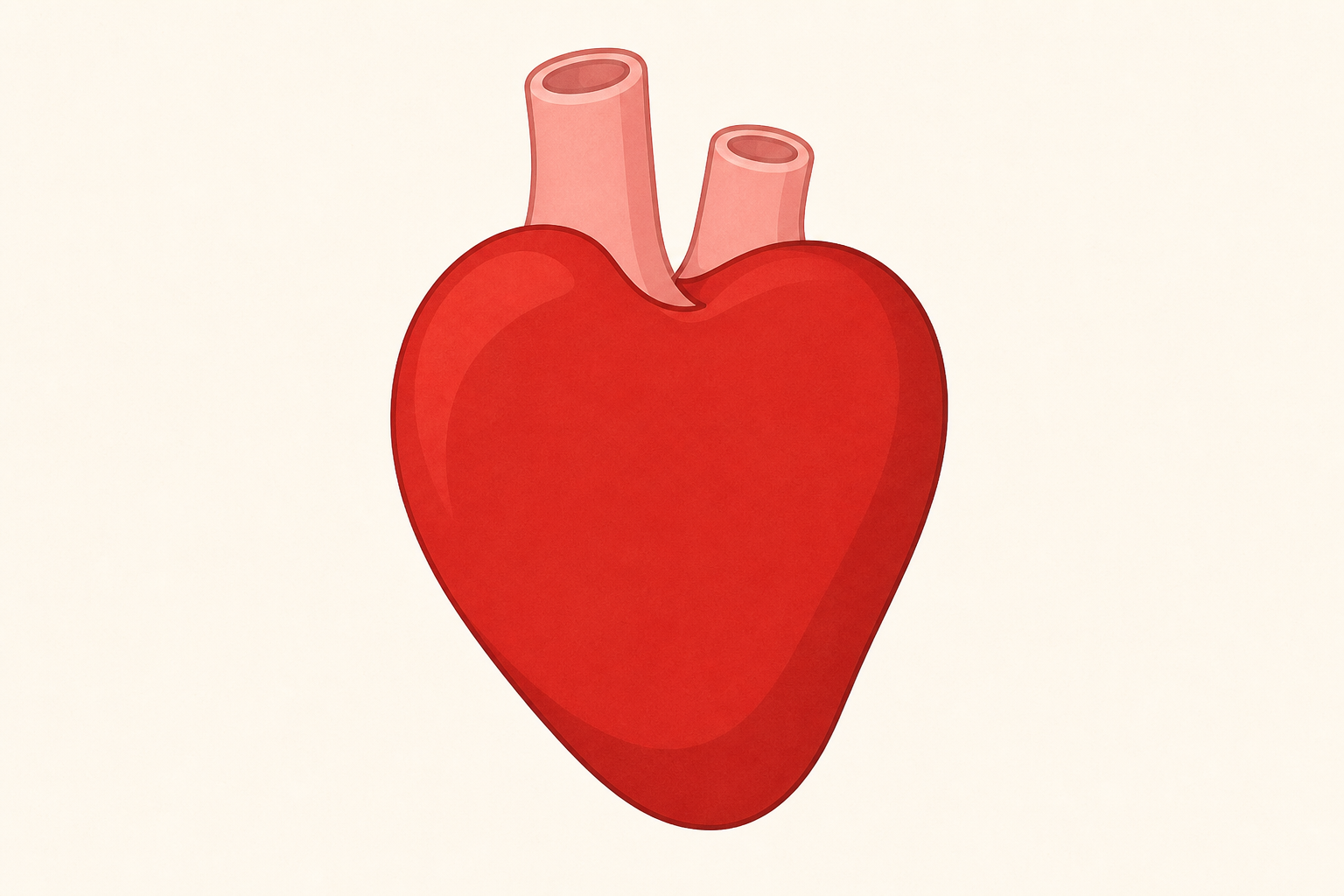
That little throb is your pulse: each beat is your heart pushing blood. Your heart is a strong muscle pump in your chest. When you have been still and calm, we call the count your resting pulse.
What do you think will happen to your pulse after you move hard for one minute?
Teach the idea first, then model finding a pulse on your own wrist so every pupil sees the spot before they try.
| Concept | Why it matters | Example |
|---|---|---|
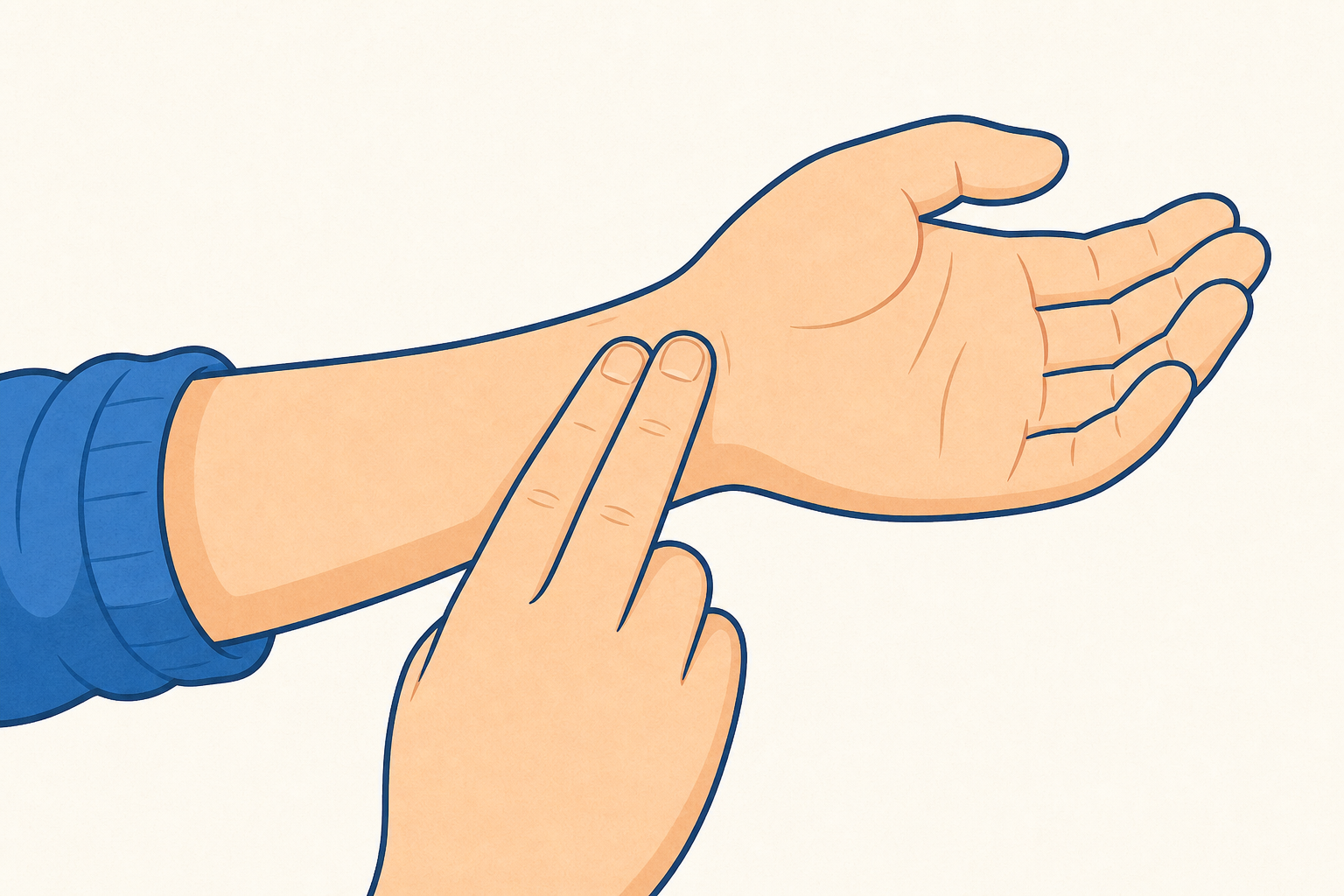
| Pulse — the little throb you can feel in your wrist or neck each time your heart pushes blood | Feeling your pulse is a way to notice how fast your heart is beating without any special equipment | Two fingers (never the thumb) on the inside of the wrist, just below the base of the thumb |
| Heart — a strong muscle pump in your chest that pushes blood around the body | Every time you run, climb stairs or do star-jumps, the heart works harder so your muscles get what they need | After a race in the yard, the thump in your chest is the pump speeding up |
| Resting pulse — how fast the heart beats when you have been still and calm | We need a resting count first so we have something fair to compare with after moving | Sitting quietly for a minute before we start counting |
| Healthy heart habits — everyday choices that help the heart and lungs stay strong | Moving often and resting well keep the pump fit for the whole of life | Playing outside, walking part of the way to school, climbing stairs, and getting enough sleep |
Model finding the pulse (worked cycle, say aloud):
Misconception to head off: pupils often press with the thumb, which has its own pulse and confuses the count. Always two fingers, never the thumb. Another common idea is that the heart "rests" between beats like a person sitting down — gently revoice that the heart keeps a rhythm all day and night, speeding up and slowing down as we need it.
Differentiation: for pupils who cannot find a wrist pulse, try the side of the neck very gently with two fingers, or let them feel the teacher's (or a willing partner's) wrist beat so they still meet the idea. Never press hard on the neck.
Our question: what happens to your pulse after one minute of star-jumps?
Check you have your Investigation Journal page on your desk. Say your prediction out loud to a partner: will your count go up, go down, or stay about the same? Why do you think that?
Then jot it on your Investigation Journal page (up, down, or same, and a short because) before any counting starts.
Before anyone writes, do a quick hands-up check that every pupil has the Investigation Journal page from the start-of-lesson hand-out. Top up any missing pages now so the jot does not stall.
Use think-pair-share. Predictions are never wrong; they are the start of the science. Capture three or four predictions on the board in the pupils' own words (for example: "faster because the heart works harder", "the same because one minute is short").
Key questions:
Remind pupils to jot their prediction on the Investigation Journal page before any counting begins. Do not reveal the expected result.
Sit still. Place two fingers on the inside of your wrist, just below the base of your thumb. When you feel the throb, keep your fingers there and stay quiet. We will count it next.
This step is only about finding the pulse calmly. No counting yet.
How to coach it:
Safety: never press hard on the neck; never use the thumb to feel a pulse. Pupils who feel anxious about body focus can be a helper who watches for quiet hands.
Look-fors: still bodies, quiet room, fingers held in place ready for the timer.
We work one part at a time. Listen for the part the teacher names, then do only that part.
When the teacher says resting count: sit still, find your pulse, and count every beat until the timer hits zero. Write that resting number on your Investigation Journal page.
When the teacher says moving: stand and do star-jumps or march on the spot until you are told to stop.
When the teacher says after-moving count: sit straight away, find your pulse again, count every beat until the timer hits zero, and write that after-moving number.
Drive the fair-test-timer on the IWB in countdown mode. Keep the interactive instructions strip visible for the full path, but name each phase out loud so pupils only track the beat in progress (resting count, then moving, then after-moving count). The whole class counts together on your start signal.
Phase 1 — Resting count (15 seconds):
Phase 2 — One minute of moving (60 seconds):
Phase 3 — After-moving count (15 seconds):
Runnable path without silent fumble: announce the phase, set the seconds the instructions strip already names (15 → 60 → 15), then start. If resetting mid-jump feels risky, keep 15 on the board for both counts and use a spoken shared count for the 60-second move while the instructions strip still shows the order.
What to expect: resting 15-second counts often fall roughly in the high teens to mid-twenties (and vary a lot). After star-jumps the number usually rises clearly. Exact numbers matter less than the comparison: most pulses go up. If a pupil's number stays flat, check they found the pulse both times and that the second count started straight after moving.
Fairness talk (light touch): we kept the counting time the same (15 seconds) and we counted our own pulse both times. That is what lets us compare fairly.
Safety: watch for light-headedness; offer water and a sit-down. No one is made to jump.
You're previewing this lesson. Get full access to this lesson and hundreds more — each one ready to teach, with interactive activities, printable resources and pupil progress tracking built in.