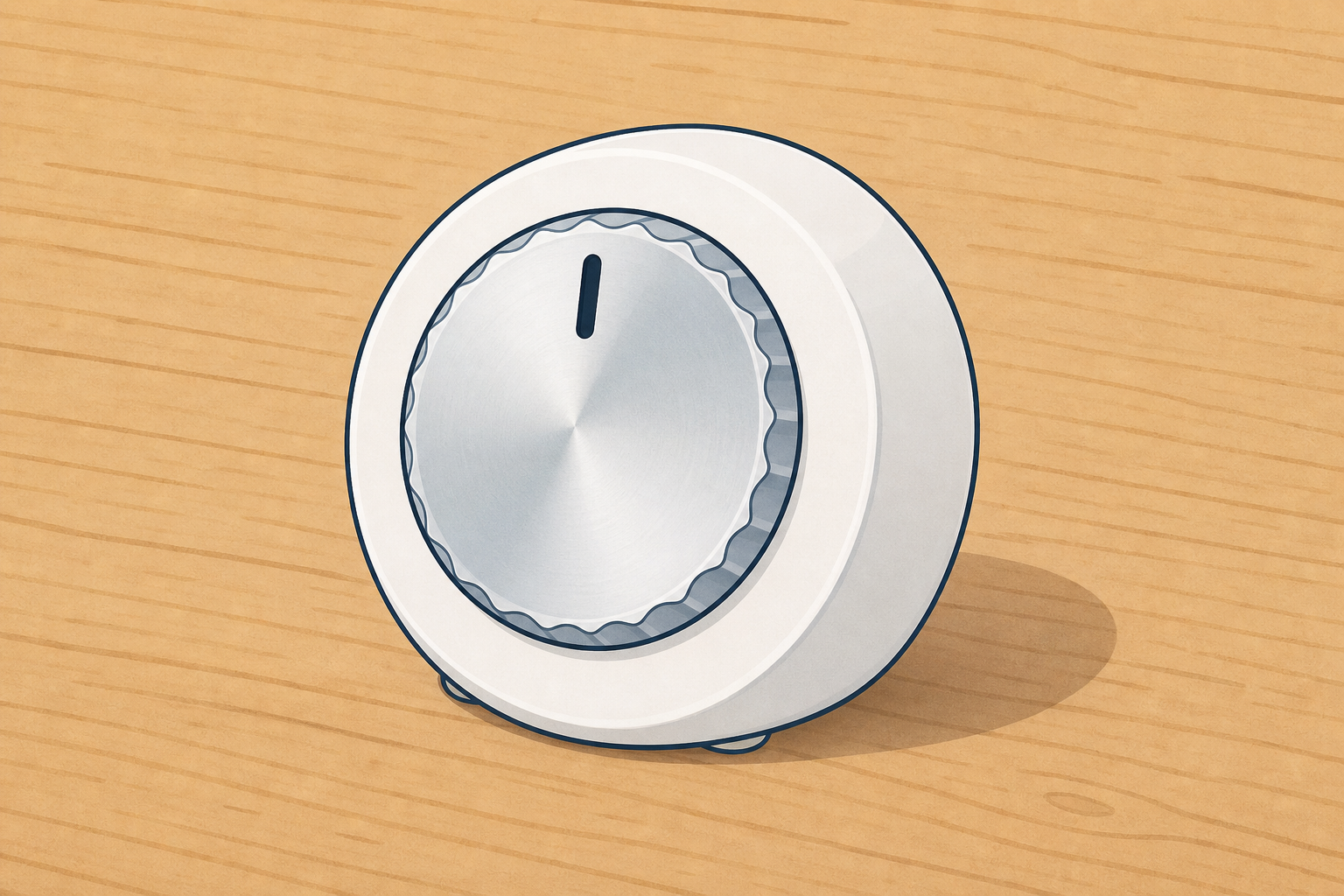
Listen. Can you hear that ticking? How could we make it quieter without turning it off?
Share one idea with a partner. We will try some real wrappings and find out which keeps the sound quietest.
Start the ticking timer (or buzzer set to a gentle volume) on the desk so the whole class can hear it. Do not wrap it yet. Ask: How could we make it quieter without turning it off?
Take three or four quick ideas. Accept anything sensible (cover it, put it in a box, put a jumper over it). Do not name the “best” material yet. Keep the hook light: curiosity only, no apparatus set-up talk.
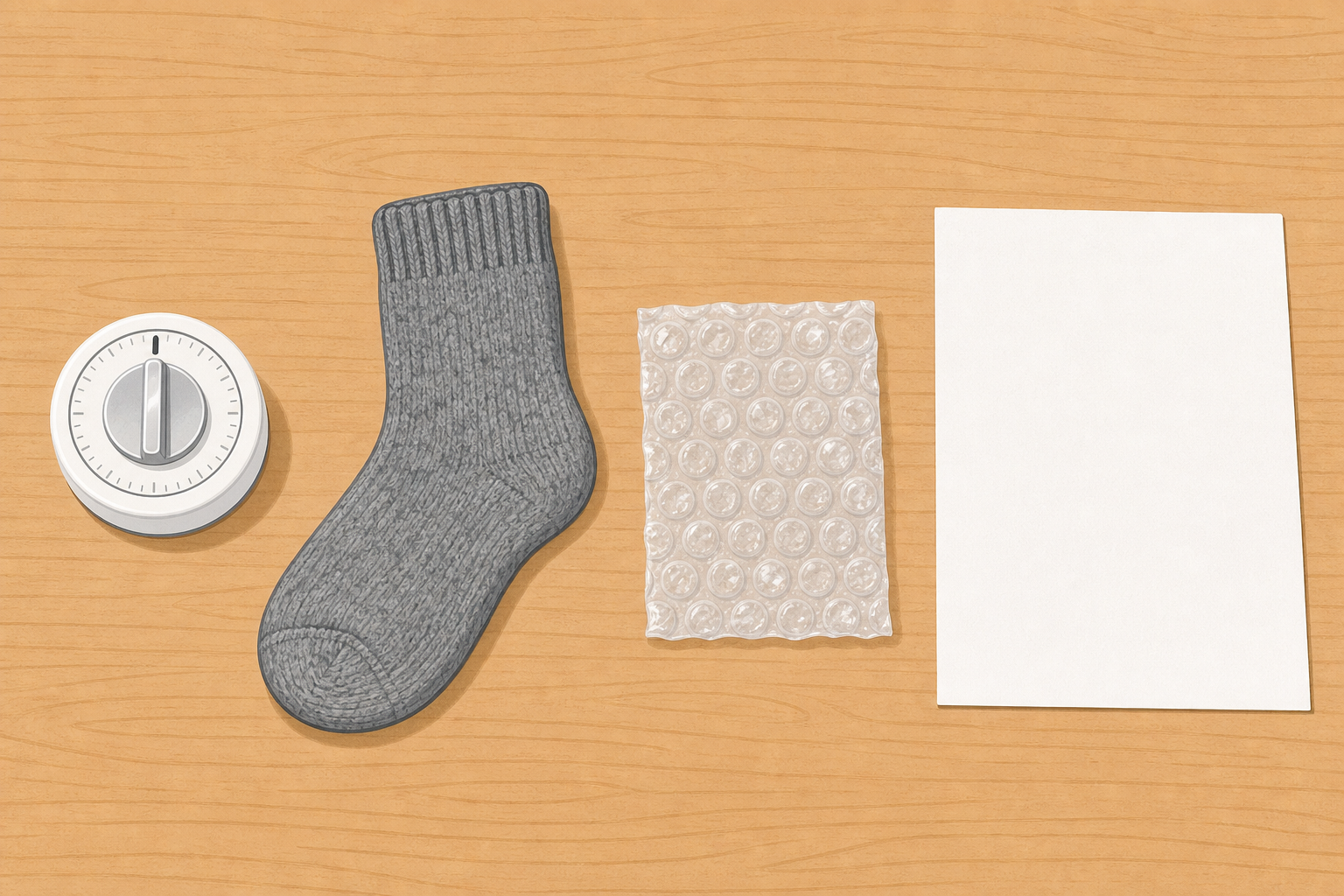
Before the lesson: gather the timer or buzzer, one set of wrapping materials (sock, bubble wrap, paper, scarf), and a shoebox. Check the timer is loud enough to hear across the room but not sharp or startling. Print one Investigation Journal page per pupil. Clear a small front table and leave space on the board or IWB for a simple results chart (wrapping names across the top; louder / same / quieter underneath).
Today’s word is muffle: make a sound quieter by covering it.
Our question: which wrapping makes the timer quietest — a sock, bubble wrap, paper, or nothing?
On your Investigation Journal page, draw or write your guess and one reason. Whisper it to your partner. Then we will try each one together.
| Concept | Why it matters | Example |
|---|---|---|
| Muffle — make a sound quieter by wrapping or covering it so less sound reaches our ears | We use muffling every day when we want a quieter room or a quieter toy | A thick sock over a ticking timer can change how loud the tick sounds |
| Soft material — a squashy or fluffy material | We will feel the wrappings and later talk about whether soft ones help | A sock, a scarf, or bubble wrap feels different from thin paper |
| Fair listen — comparing sounds from the same place each time | We only compare fairly if everyone listens from the same spot | From the same desk, we can tell if one wrapping sounds quieter than another |
Board talk (keep light): say the word muffle with the bare timer still ticking. Hand out the Investigation Journal pages now so predictions are recorded while ideas are fresh. Keep this beat to the word, the question, the journal guess and a partner whisper only.
Do not pass materials around the class. You have only one of each wrapping. A quick teacher hold-up at the front (or a brief feel for the two helpers) is enough if children need to see sock, bubble wrap and paper; do not circulate single objects round the room. Save any touch demo and the fair-listen agreement for the opening of the next step.
Do not spoil the test: do not tell the class that soft materials muffle better than paper. Frame curiosity only: Some people wonder if squashy things help — shall we find out? Hold “soak up some of the wobble” for the make-sense talk after results.
Misconception to head off later (not yet as fact): children may think any cover makes a sound disappear completely, or that “hard” always means louder.
Link back: remind them they already know sound is a wobble. Today we are finding out what covering can do to that sound.
Collect a quick class show of hands for sock / bubble wrap / paper / nothing after journals are marked. Note two “because…” reasons aloud so predictions feel valued. Predictions are never wrong; they start the science.
Optional short homework notice (say at the end if useful): at home, notice one soft thing that helps keep a room quiet (a curtain, a carpet, a cushion) and tell someone why it might help.
We will try one timer and one box at the front. Everyone listens from our agreed spot.
A few helpers will place each wrapping. After every try, we all vote with our hands: thumbs up for louder, a flat hand for the same, and thumbs down for quieter than with nothing around it.
We will mark each result on the board so we remember what we heard.
This is a whole-class investigation at one front table: one timer, one shoebox, one of each wrapping. A few pupil helpers place materials; everyone else listens, votes, and judges with you. There are no group kits and no parallel group testing.
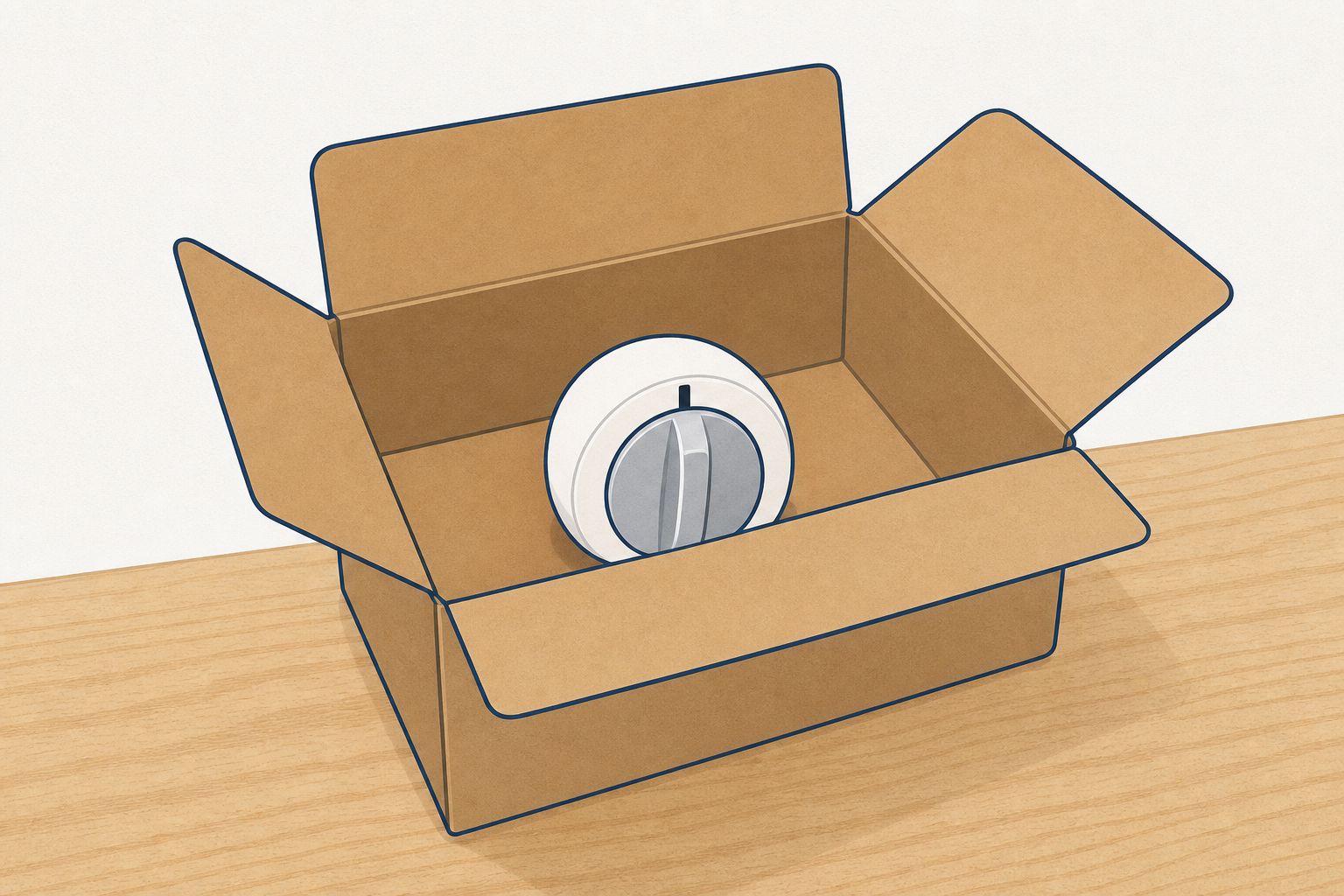
Clear a small front table. Place the open shoebox, the timer, and the four options in a row: nothing, paper, bubble wrap, sock (add the scarf if you have it as a fifth). Hold each wrapping up briefly so the class can see it; helpers may feel the sock and paper if useful. Do not pass the single set around the room.
Fair listen now: agree one listening spot on the carpet or at desks and explain that every try will use that same spot so the compare is fair.
On the board or IWB, draw a simple results chart with the wrappings across the top in this order: nothing | paper | bubble wrap | sock (and scarf if used), with space under each for louder / same / quieter (compared with nothing). Mark the chart after every listen, including the modelled ones, before moving on so the record stays visible for the journal step.
Practise the vote signal once before the first try: thumbs up = louder, flat hand = the same, thumbs down = quieter.
Think aloud through one full cycle with nothing, then with paper (first real wrapping), so the class sees the full listen–vote–mark loop before the rest:
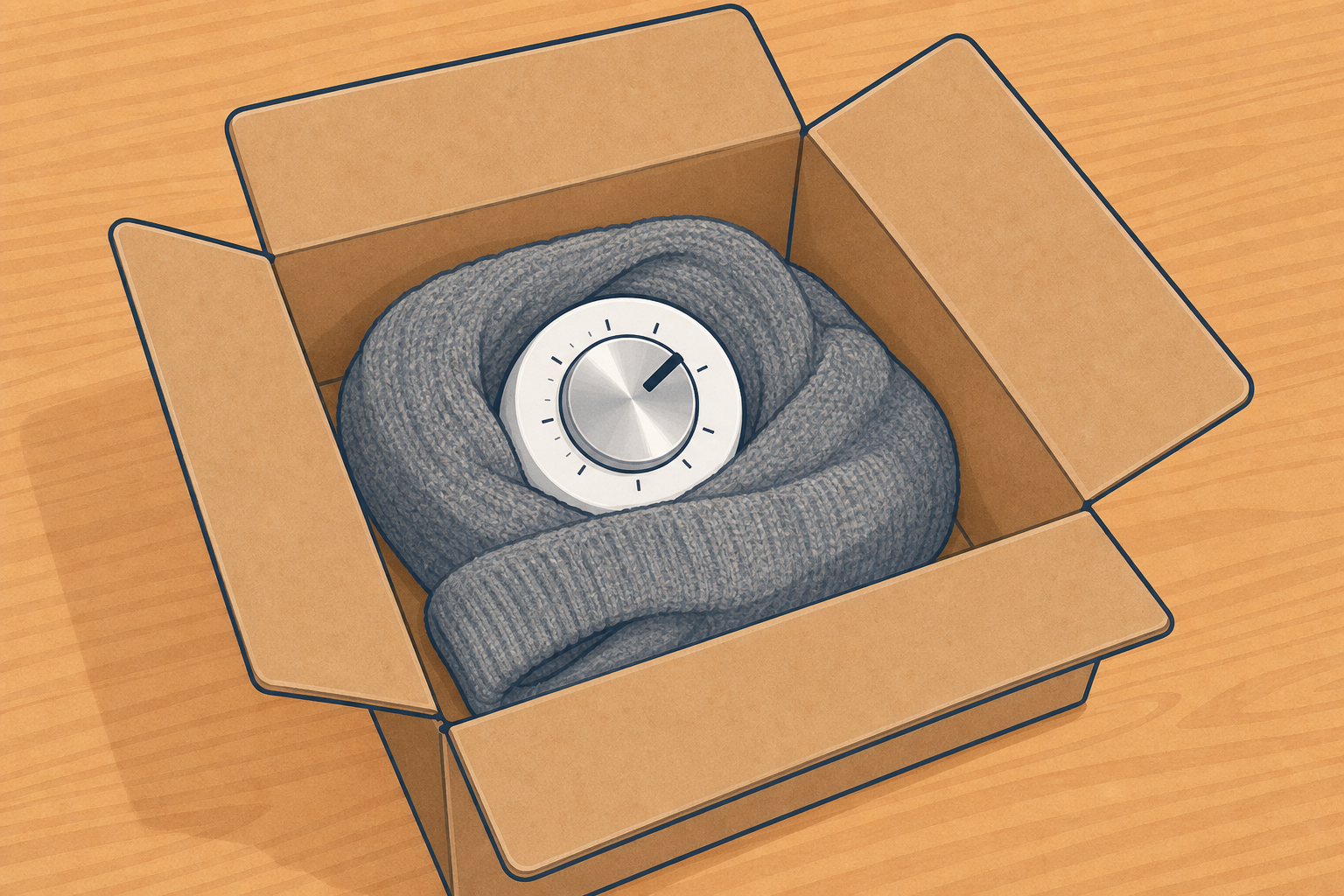
Run the remaining wrappings in the same fixed order with pupil helpers placing the material: bubble wrap, then sock (and scarf if you have it). Keep volume class-friendly. After each listen, take the thumbs vote: louder / same / quieter than “nothing”. Revoice their words: muffle, quieter, same spot. Write the agreed word under that wrapping on the board before the next try. Mark the chart after every listen.
Expect a clear drop with sock or scarf; paper often almost the same as nothing; bubble wrap somewhere in between. If the sock does not sound quieter, check the timer is fully wrapped and the listening spot has not crept closer. Try the scarf as a soft backup.
What “good” looks like: children wait for the signal before speaking, listen from the same spot, use louder / same / quieter rather than only “I like the sock”, and can point to the board chart when asked what paper sounded like.
Safety: no timer or buzzer beside anyone’s ear; keep the sound friendly for the whole room.
Look back at the guess you wrote first on your Investigation Journal page. Leave that guess as it is.
Now write or draw what your ears heard for each wrapping. Use the board chart to help: was the sound louder, the same, or quieter?
Which wrapping was quietest?
Word bank to help you: sock, bubble wrap, paper, nothing, louder, same, quieter.
Journals are already out from the prediction beat. Pupils stay at tables with pencils and crayons. Keep the board chart visible so children copy shared observations rather than reconstructing four listens from memory.
Leave the word bank on the IWB for the whole step: wrapping names plus louder / same / quieter. Circulate and prompt: What did you guess? What did your ears tell you about the sock? Accept simple marks (happy/sad faces, L / M / Q for loud / medium / quiet, or the words louder / same / quieter). Support emergent writers with the word bank and the board chart.
If a child only draws, ask them to point to the quietest wrapping and say one sentence you can scribe if needed for your own notes. The journal page is their paper record; do not add a separate homemade sheet.
Look-fors: prediction left as it was; at least two wrappings compared; a clear choice for which was quietest.
Which wrapping was best at muffling the timer?
Once we agree, think: what do soft, thick materials seem to do to sound?
Where in our school are soft things used to keep it quiet? Think about the hall curtains or the carpet in our reading corner.
Whole-class science talk on the carpet. No typing; hands and voices only.
Sequence the talk: lock in the quietest wrapping first and only then move on. Draw out: the sock (or scarf) was usually quietest; paper often barely helped; bubble wrap may sit in the middle. After the class names the winner, introduce the idea that soft, thick materials can soak up some of the wobble so less sound reaches our ears. Link that idea to the evidence on the board chart, not as something they were told before the test. Finish with the school examples (hall curtains, reading-corner carpet, PE mats, coats on hooks, soft wall displays).
STEM eyes link: curtains, carpets, cushions, coats on hooks, and soft wall displays help keep classrooms and halls quieter. Ask for one example from home or school.
Misconception: if someone says “the box made it quiet,” remind them the box was the same every time; the wrapping was what changed.
Revoice a strong pupil sentence so the class hears the science words used well: The soft sock muffled the sound.
You're previewing this lesson. Get full access to this lesson and hundreds more — each one ready to teach, with interactive activities, printable resources and pupil progress tracking built in.