1 - Start: What We're Building ~5 mins
You can already make a sprite move and react in Scratch. Today we'll go further: we'll build a Paddle Ball Game where a ball bounces around, you steer a paddle with your mouse, and the ball gets faster the longer you survive.
We'll work the way we always do — predict first, then build, run and fix at your devices. Quick question to start: what is a variable, and why might a game need one?
Open the lesson at the board and name today's build: the Paddle Ball Game. Keep this short — no code yet. Ask the recap question 'what is a variable?' to surface prior ideas, and reassure students that they'll build it a step at a time in pairs while you circulate.
2 - Predict Before You Run ~10 mins
Before anyone runs anything, look at what we're about to build and commit to a prediction. When the green flag is clicked, what will happen first? Where will the ball start, and what will move it? Tell your partner what you think you'll see — we'll come back to these predictions later.
Run the PRIMM predict beat. Before any device touches a green flag, ask what students think will happen on the screen first. Collect two or three predictions and park them on the board to revisit at the make-sense step. Push for specifics — where will the ball be, what will move?
3 - Introduction ~3 mins
Welcome to our exciting lesson on creating a Paddle Ball Game using Scratch! In this lesson, you will learn how to move sprites, use variables to control speed, change backdrops, and use sensing blocks. By the end of this lesson, you will have your very own Paddle Ball Game that you can play and share with your friends. Let's get started!
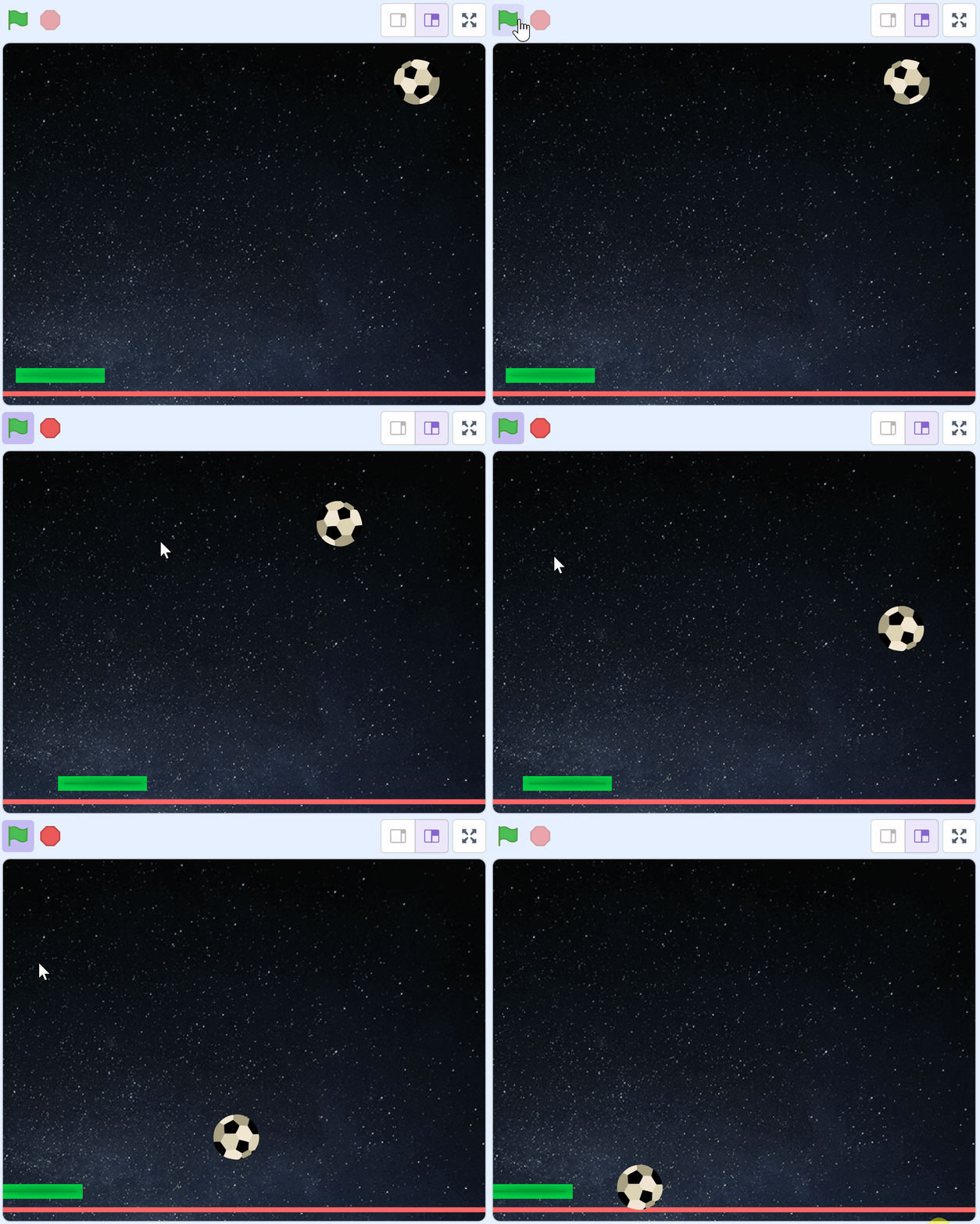
Read this introduction aloud to set the goal and the finished result. Don't dwell on the block detail here; it's a signpost for the whole build. Tell students they'll be moving, sensing and storing values by the end.
4 - Create a New Scratch Project ~2 mins
Create a new Scratch project and delete the cat sprite that's added by default.
Go to the Scratch website using the link below and click on the 'Create' link in the blue bar at the top.
By default, each new project starts with the cat sprite already added. To delete the cat click on the x in the blue circle beside the cat in the sprite list.
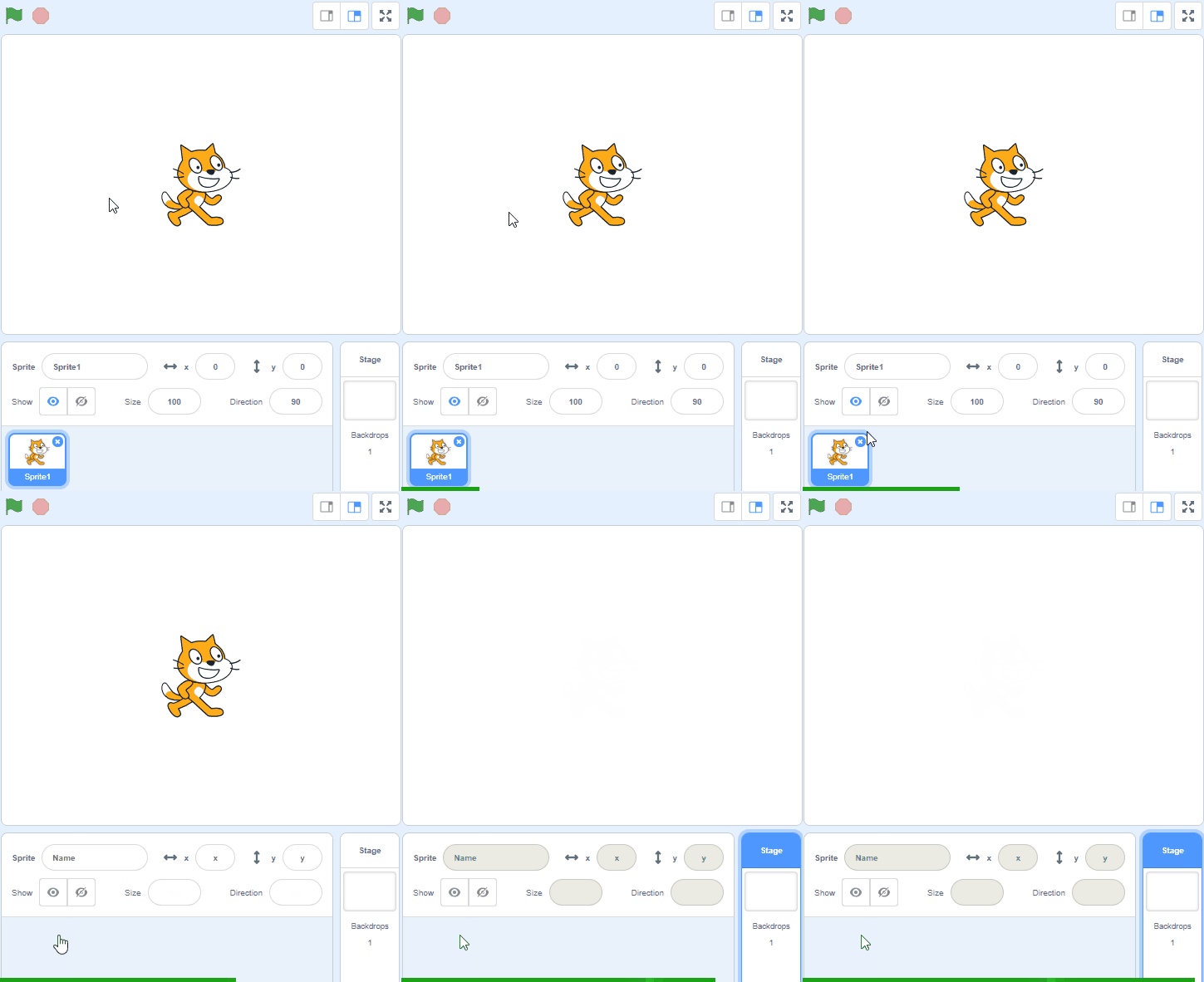
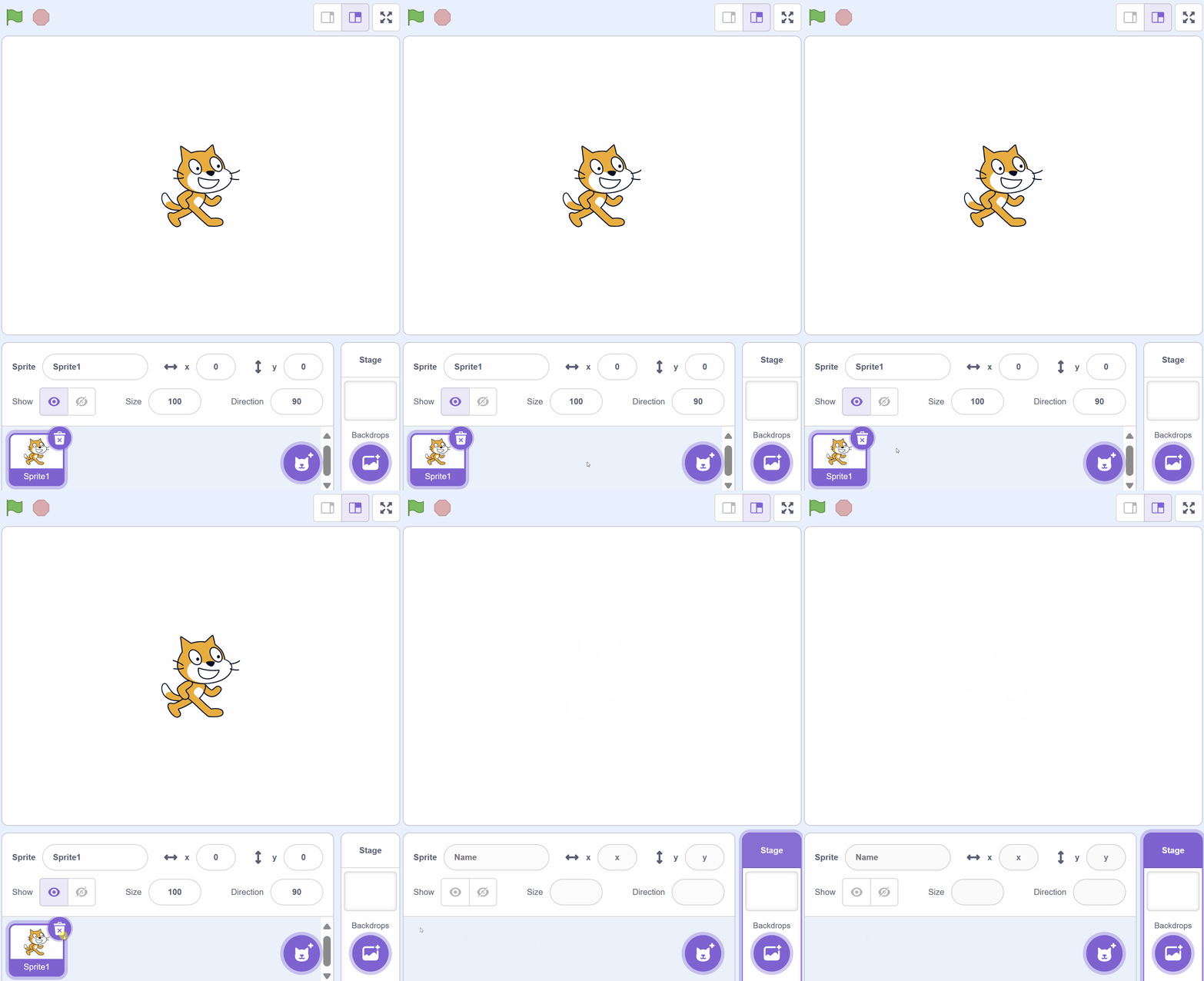
Model creating a new project and deleting the default cat on the board so everyone sees where the sprite list lives. Watch for students who delete the wrong thing — they can simply start a fresh project. Support: pair a confident student with anyone new to the editor.
5 - Add the Paddle Sprite ~2 mins
Add the sprite called 'Paddle' from the sprite library.
Drag the paddle to near the bottom of the stage area (by holding down the left mouse button and moving your mouse). Make sure to leave some space between the bottom of the stage area and the paddle (this is important later on as we'll be putting something there).
To add a sprite from the sprite library follow these steps:
- Put your mouse over the Choose a Sprite button
- Click on the magnifying glass
- Find the sprite you want in the library
- Click on your chosen sprite
You can use search box or the filter links (Animals, People, Fantasy etc) to locate your sprite.
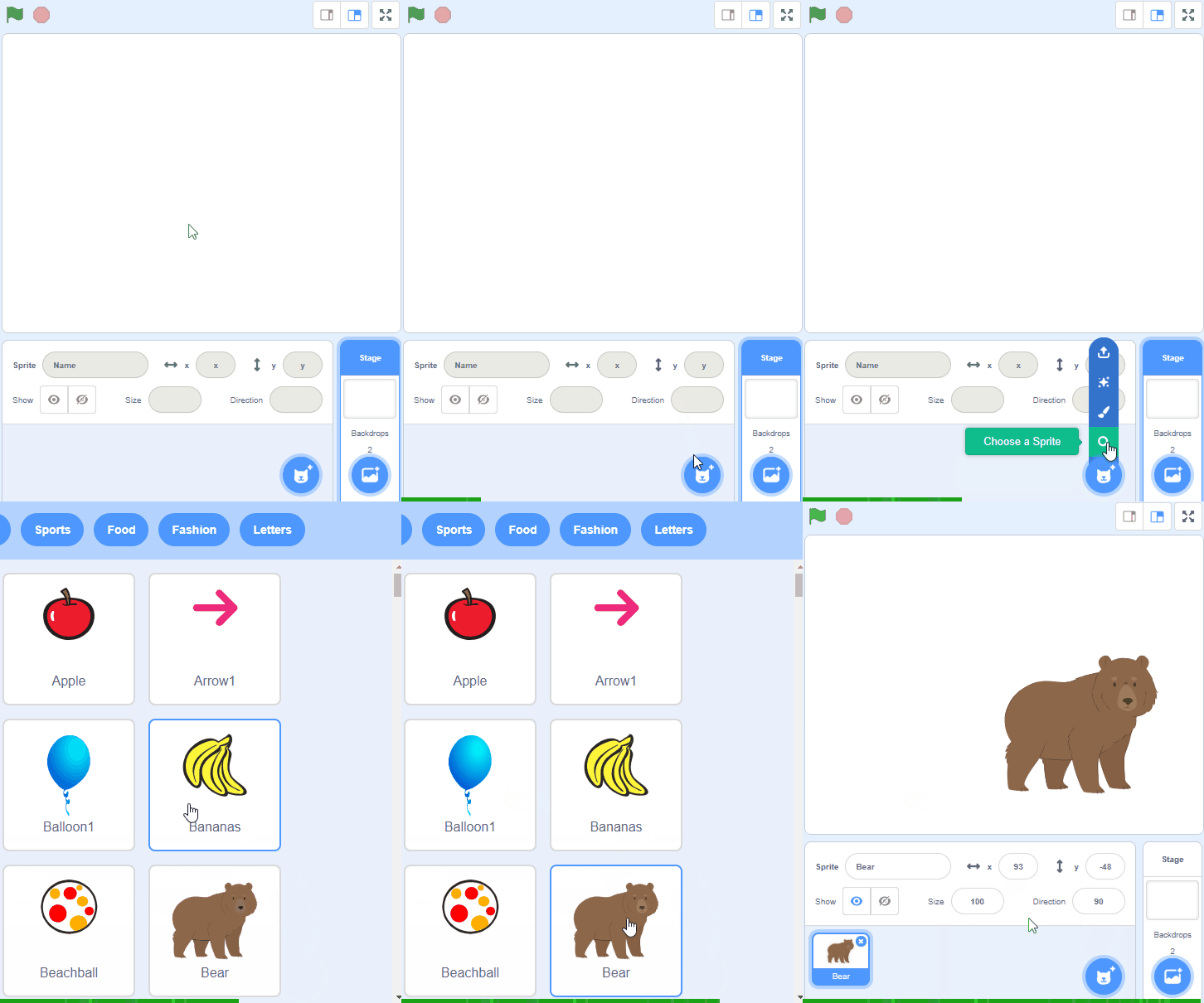
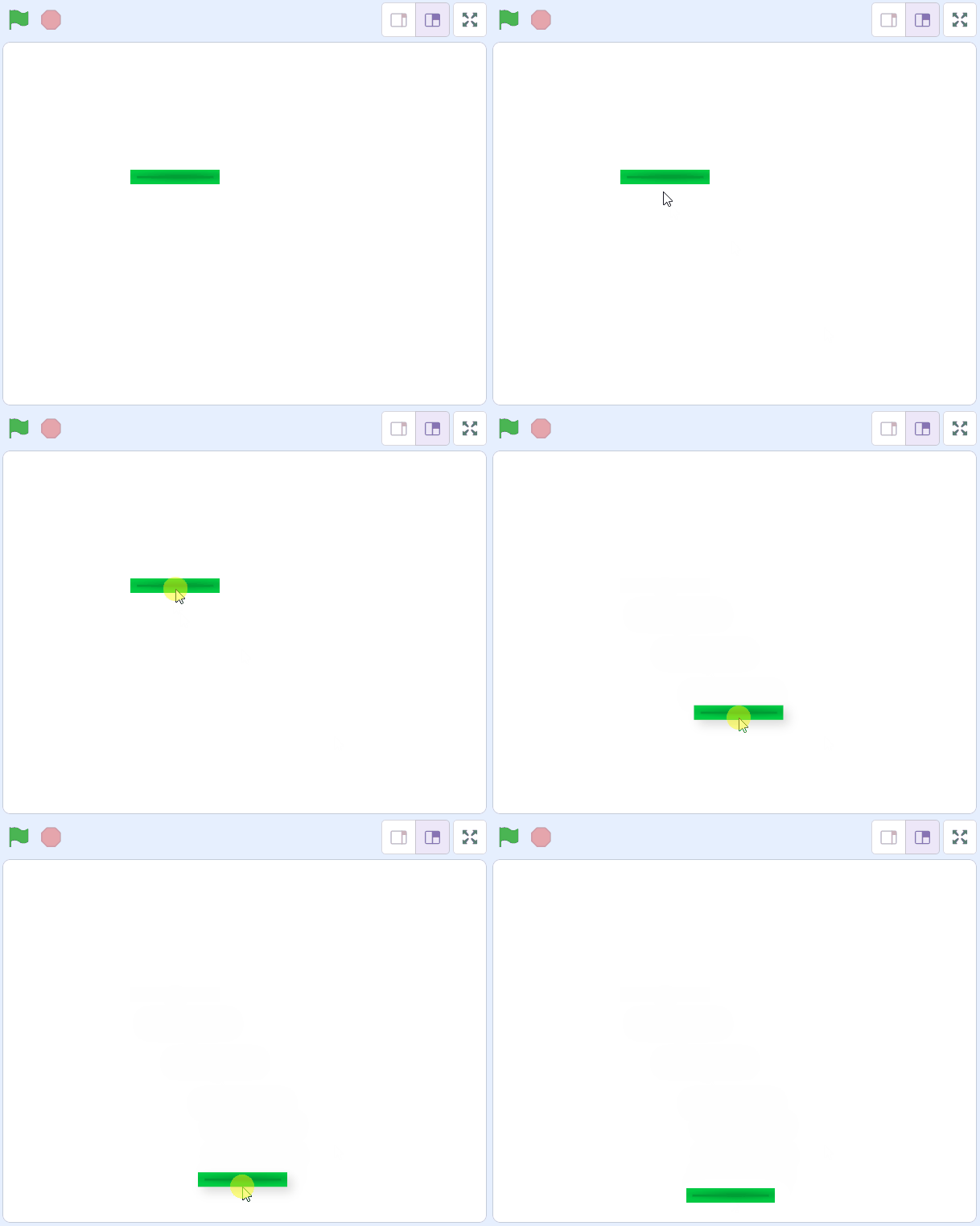
Show how to add the Paddle sprite from the library and drag it near the bottom. Stress leaving a gap below the paddle — ask 'why might we need empty space there?' to plant the game-over idea. Common slip: paddle dragged right to the bottom edge.
Unlock the full learning experience
You're previewing this lesson. Get full access to this lesson and hundreds more — each one ready to teach, with interactive activities, printable resources and pupil progress tracking built in.
This lesson is copyright of Coding Ireland 2017 - 2025. Unauthorised use, copying or distribution is not allowed.
Scratch is developed by the Lifelong Kindergarten Group at the MIT Media Lab. It is available for free at https://scratch.mit.edu