 Chromebooks, laptops, and PCs are crucial tools for coding and digital skills education. Chromebooks are ideal for web-based applications and collaborative projects, while laptops and PCs support a wider range of programming environments and software for more intensive tasks like software development and data analysis.
Teaching a Lesson
This goes through how to teach a coding lesson, from preparing the lesson to conducting and wrapping up the lesson.
This goes through how to teach a coding lesson, from preparing the lesson to conducting and wrapping up the lesson.
Preparing for a coding lesson is a crucial step in ensuring its effectiveness and engagement. This preparation involves several key tasks.
Firstly, the educator should thoroughly understand and go through the steps of the lesson themselves. This might include programming the lesson's content to anticipate potential challenges or questions that students may encounter.
Additionally, preparing any necessary handouts or resources is essential. These could include step-by-step guides, diagrams, or reference materials that students can use during the lesson.
It's also beneficial for the teacher to identify strategic points in the lesson where they can engage students through questions. These questions should be designed to stimulate thinking, gauge understanding, and encourage participation.
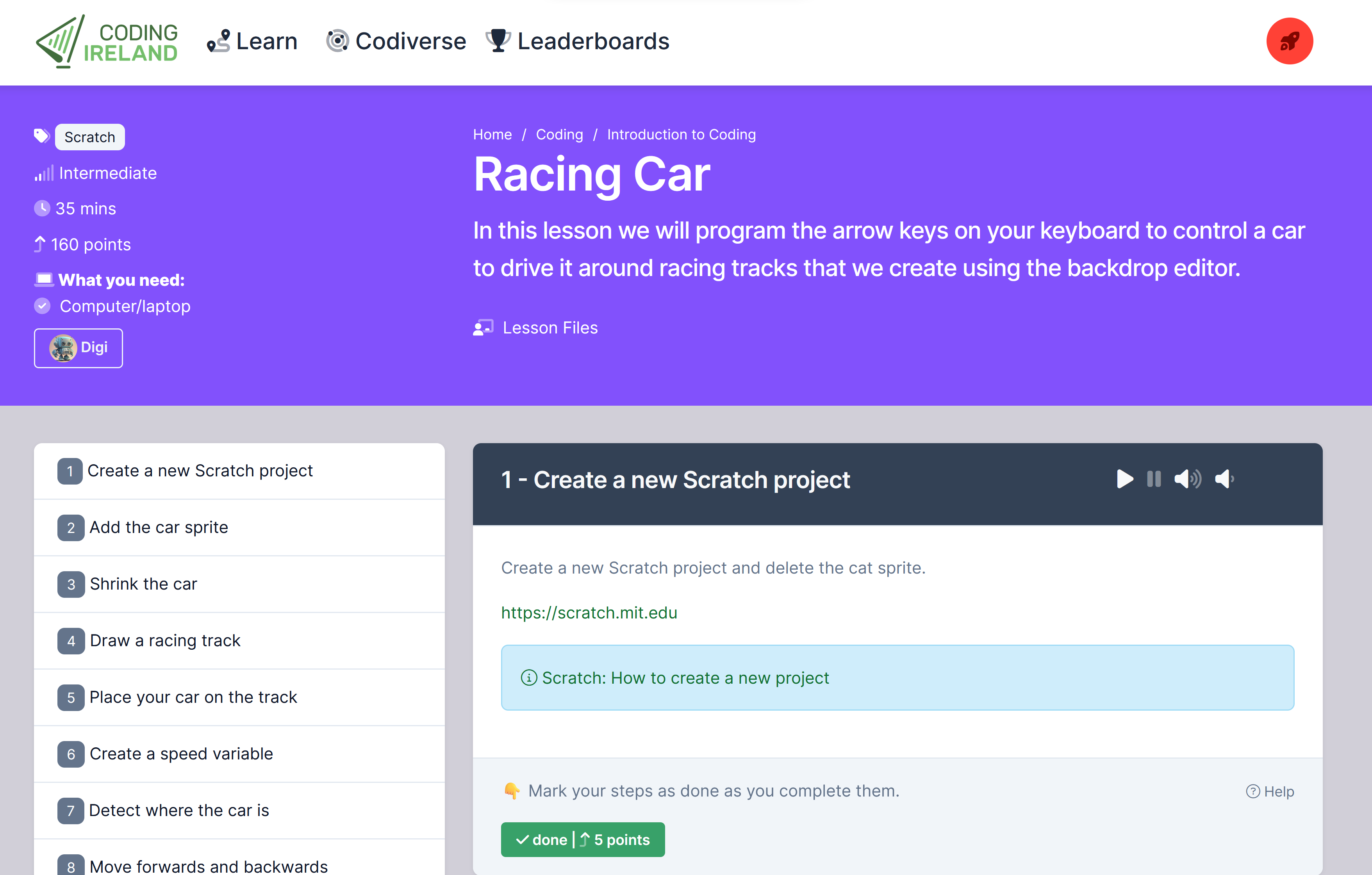
Ensure that all necessary equipment, such as laptops or chromebooks, are ready and in working condition. Check that all required software and tools are installed and functioning properly. This will minimise any technical issues from disrupting the lesson.
By preparing for the lesson, the teacher ensures that the lesson flows smoothly and that all necessary materials and resources are readily available to support student learning.
Introducing the lesson effectively sets the tone for the learning experience.
At this stage, the teacher provides students with an overview of what the lesson will cover, including the key concepts and the goals of the lesson. This introduction is crucial as it frames the lesson, giving students a clear understanding of what to expect and the objectives they should aim to achieve.
It's also an opportunity for students to mentally prepare for the coding tasks ahead and to ask any preliminary questions they might have.
By clearly outlining the lesson's purpose and scope, the teacher helps students to contextualize the information and understand its relevance, thereby enhancing their engagement and motivation to learn.
Using a large display connected to their computer, the teacher methodically goes through each step of the coding process, actively creating the code in real-time. This visual demonstration is crucial as it allows students to see exactly how the code is constructed and how each part functions.
After each step, the teacher will give the students time to complete the step themselves, before moving on to demonstrate the next step.
Throughout this process, the teacher has the opportunity to pause and delve deeper into specific steps or concepts, clarifying any complexities and answering questions.
This approach is particularly effective in ensuring that students grasp the fundamental aspects of coding and understand the logic behind each action. It also allows the teacher to immediately address any misconceptions or difficulties that students may encounter.
The lesson is handed over to the students, either in an online format or as a printed document.
This method empowers students to take control of their learning by working through the lesson content at their own pace.
It caters to different learning styles and speeds, allowing more advanced students to progress faster, while others may take more time to absorb the information.
While the students are working independently, the teacher remains available to provide guidance and support as needed.
Testing often is a crucial practice in coding. Encourage students to test their code periodically as they progress through the lesson. This approach allows them to see the immediate effects of their code, helping them to understand the practical application of the concepts they are learning.
Regular testing also helps students to spot errors early on, which is essential in a coding environment. When errors do occur, they should be seen not as setbacks, but as valuable learning opportunities.
Students should be guided to trace their code to the point of the error, understand why it occurred, and then apply a fix. After correcting the error, they should run the code again to verify that the issue has been resolved.
This iterative process of testing, debugging, and verifying not only builds their problem-solving skills but also deepens their understanding of coding principles.

Get ready to embark on an incredible learning journey! Get access to this lesson and hundreds more in our Digital Skills Curriculum.
.jpg)