1 - Ask: Engineers Who Changed Ireland ~5 mins
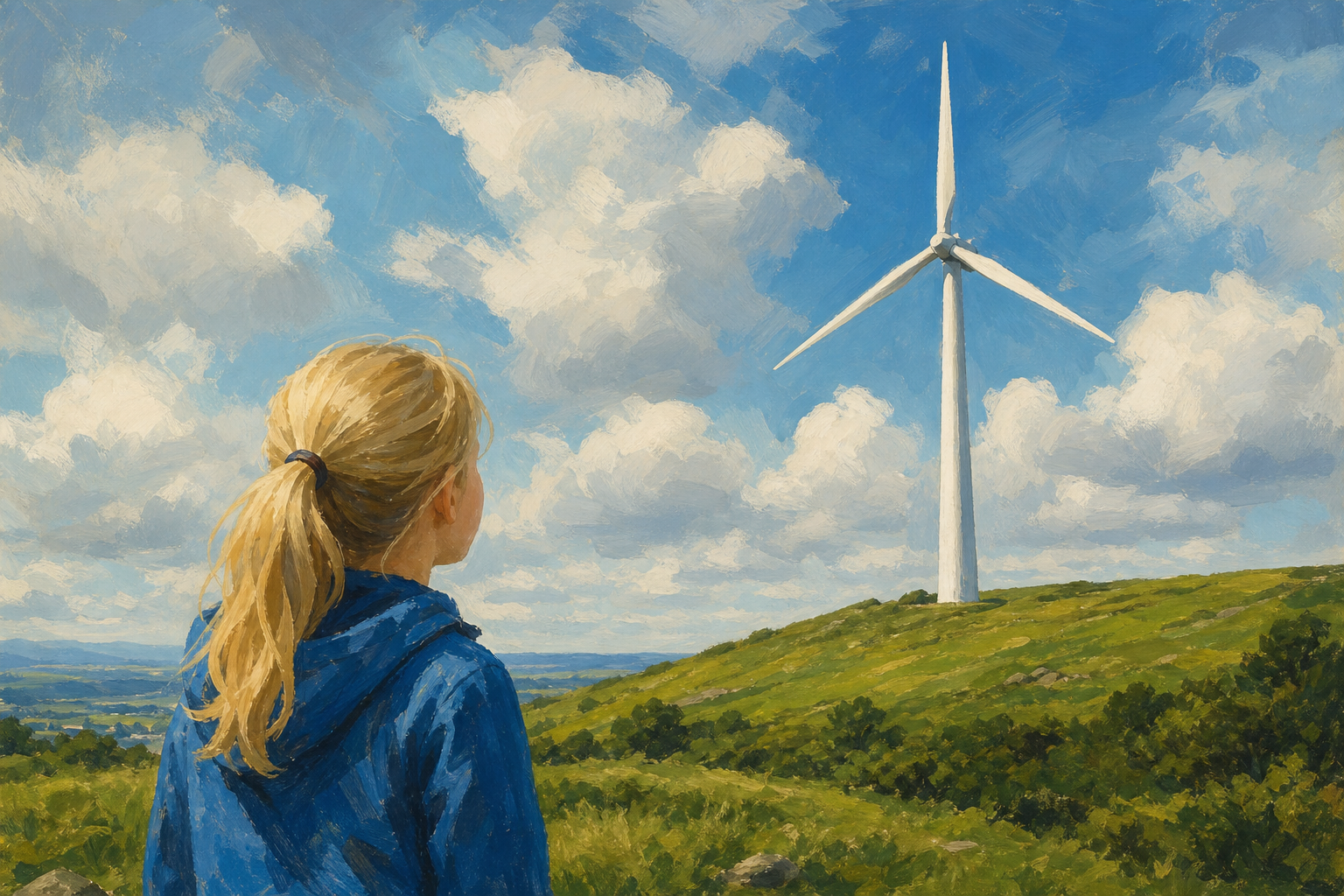
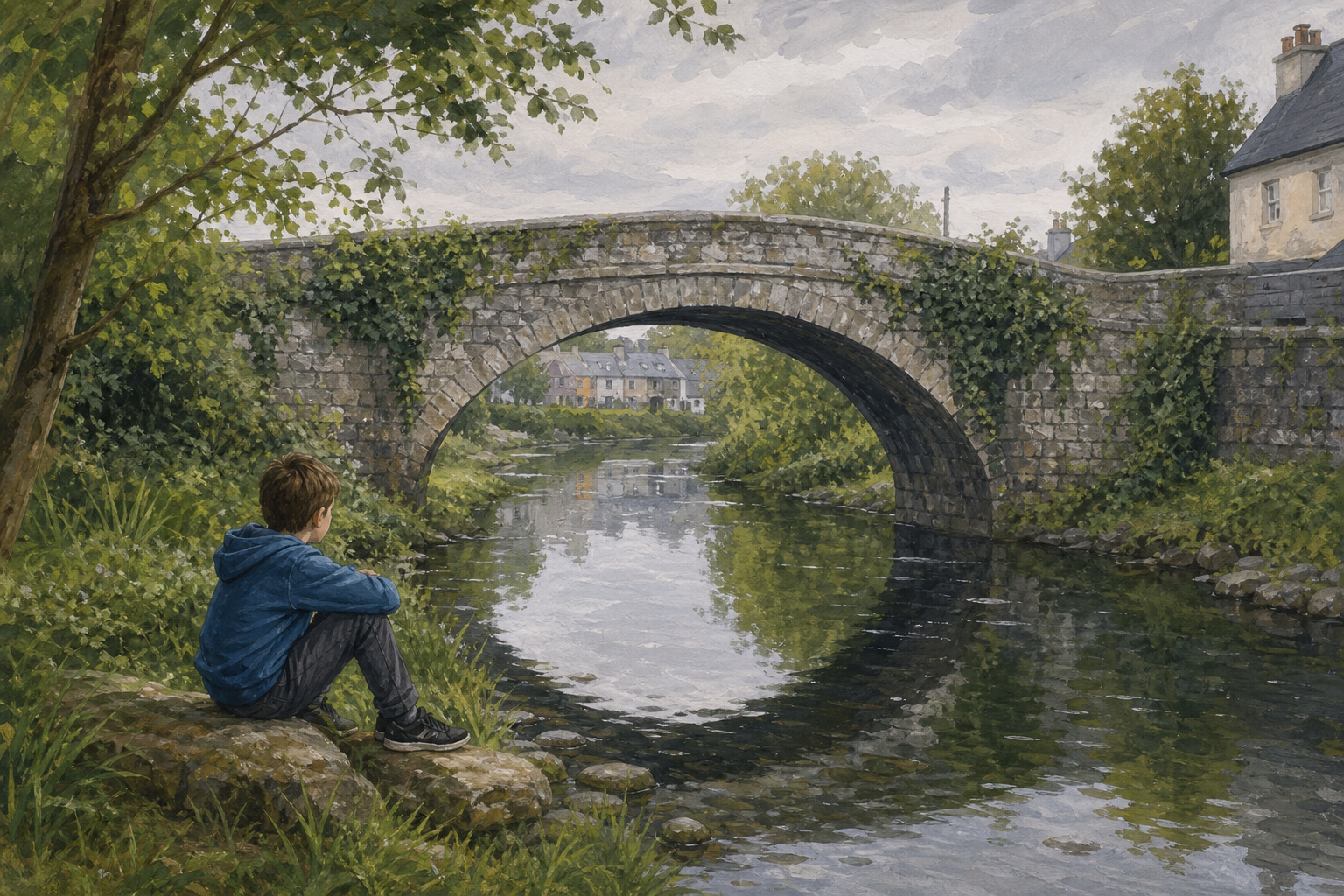 Engineers solve real problems for real people. Think about a bridge you have crossed, a wind farm turning on a hill, or a greenway path where a railway once ran. Someone had to imagine it, plan it, and build it so it worked and stayed safe.
Here is our question for today: what problem do YOU think an engineer could solve around our own school? Hands up your first idea.
Keep this light: one image, one question, hands up. Show a photo of a well-known Irish engineering feat (a stone arch bridge, a wind farm, a greenway) on the IWB and name it plainly.
Do not set up the arch or the walk yet — this beat is only to spark curiosity. Ask "What problem do you think an engineer could solve around our school?" and take three or four quick ideas without judging them.
2 - Notable Irish Engineering ~8 mins
 Let's look at three real pieces of Irish engineering and talk about how each one changed daily life. For each one, think: who was it built for, and what was harder before it existed?
| What was built | What it does | What was harder before it |
|---|---|---|
| Stone arch bridges | The curved arch shape lets stone carry heavy loads across a river without falling in. | People had to wade across rivers or wait for a ferry, which was slow and risky when the water rose in floods. |
| Wind farms | Turbines on hills and off the coast turn moving wind into electricity for homes and schools. | Most of our power came from burning turf, coal and gas. Ireland now makes a large share of its electricity from wind. |
| Greenways | Old railway lines are turned into safe walking and cycling paths, reusing the flat route and strong old bridges. | Families had few safe off-road places to walk or cycle, so short journeys often meant a car. |
Talk in your group: which idea impresses you most, and why?
Talking points to draw out
The three examples are on screen in the table for pupils to read with you; no prep beyond opening the lesson. Read each row aloud and point at it.
Key question: "What was harder before this was built?" This is the empathy move: engineers start from a real problem people had.
Head off the idea that engineering is only huge structures — a good gate latch is engineering too.
3 - Model It: Build a Paper Arch ~12 mins
Now let's model one key engineering idea with our own hands: the arch. A flat strip of paper collapses under weight, but a curved arch can hold a surprising load.
In your group, curve a strip of card between two heavy books so it forms an arch, with the book edges holding its feet in place. Then gently place small weights on top, one at a time, and watch what happens.
Before this step
Gather the card strips, books and weights on each group's table now (not during the hook). Each group needs a card strip, two heavy books to hold the arch feet, and a handful of small weights (coins or washers).
Model the full cycle first
Demonstrate the whole "I wonder... I predict... I test... I observed... I think..." cycle at the front before groups try:
- "I wonder how much a curved paper arch can hold before it flattens."
- "I predict the arch will hold more than a flat strip, because the curve pushes the weight out to its feet."
- Place weights one at a time on your demo arch: "I am testing it now, one coin at a time."
- "I observed it held six coins, and the flat strip held only one."
- "So I think the arch shape carries load better because it spreads the weight down to its two feet."
Look-for: the arch feet must be pinned by the books or the arch just slides flat. That is the engineering point — the feet must be held.
4 - What an Engineer Weighs up ~5 mins
Before we go looking for a problem to solve, here are the ideas a real engineer uses. We will use these exact words on our walk.
| Concept | Why it matters | Example |
|---|---|---|
| Engineer — a person who designs and builds things to solve a real problem people have | Engineers do not just make things look nice; they make things that work and last | An engineer designed the school gate so it swings shut and latches on its own |
| Arch — a curved shape that carries a load by pushing the weight down and out to its two feet | The arch shape lets weak materials like paper or stone hold heavy loads | Our card arch held several coins; a flat strip flattened under one |
| User need — what the person you are designing for actually needs | If you do not know the real need, you might build the wrong thing | If the yard puddles in the rain, the user need is a dry way to cross |
| Success criteria — the clear things a good solution must do, agreed before you build | They let you test fairly whether your idea actually worked | "It keeps a schoolbag dry" is something you can check by pouring water on it |
This table is pupil-facing — it is on screen for 3rd/4th class to read with you. Read each row aloud and point at it. Do not rush this: the words user need and success criteria are exactly what pupils must use on the walk and on their Design Brief.
Head off a common misconception: a problem is not the same as a solution. "The yard is muddy" is a problem; "build a path" is one possible solution. Today we define the problem, not jump to a build.
5 - Investigate: Walk and Find a Problem ~15 mins
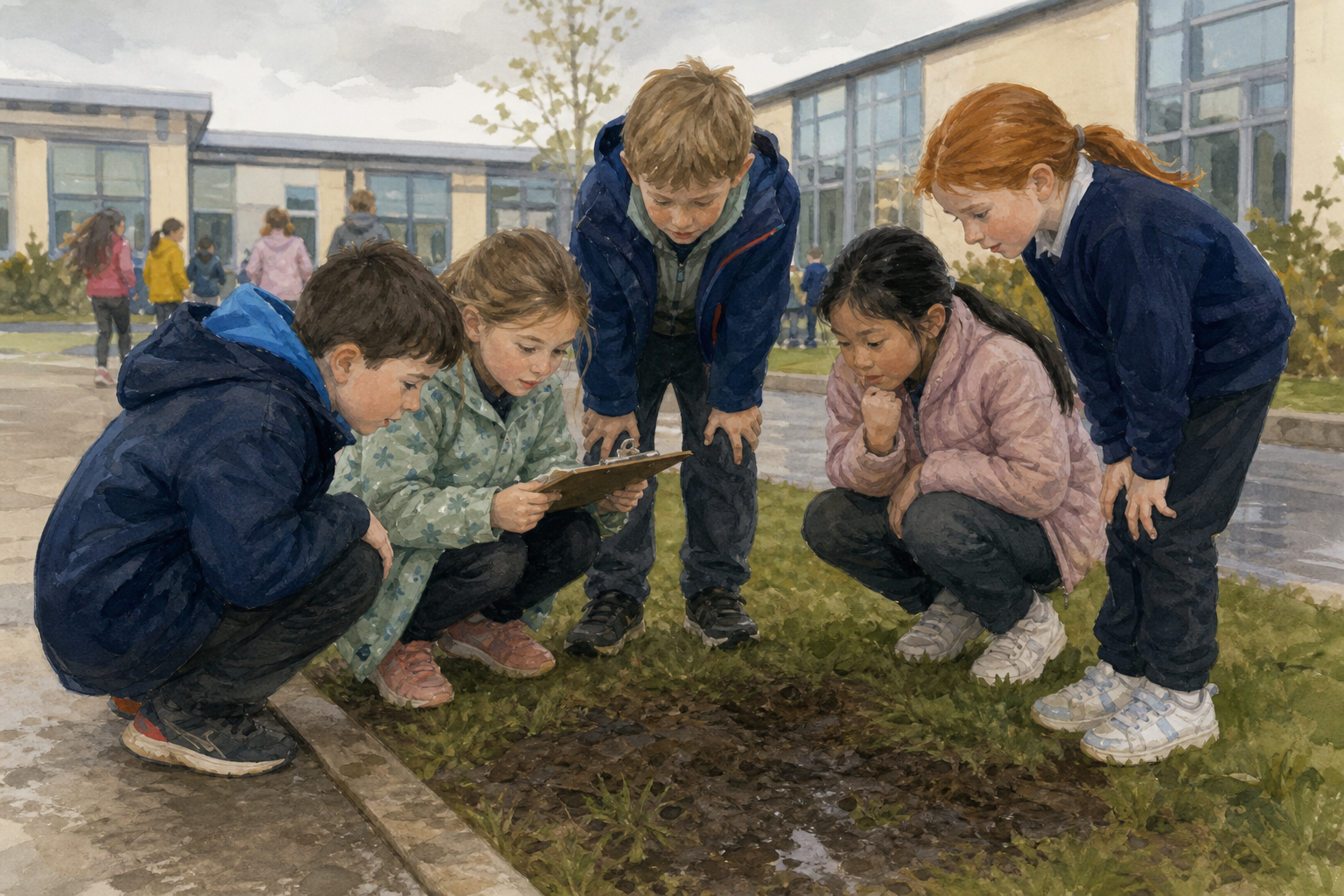 Now we become problem-finders. In your group, walk the agreed route around the school or yard with your teacher. Look for a small, real problem that a person here has: somewhere that gets muddy, a door that bangs, a place with nowhere to sit, bags that get wet, a bin that overflows.
For the problem you choose, work out: who is the user, what do they need, and what could go wrong (the risks)?
Before the walk
Agree a safe route and boundaries; bring clipboards and the Design Brief page. Stay with the class outdoors and do a quick weather check.
On the walk
Keep groups together and prompt with the words from the table: "Who is the user here? What do they need? What could go wrong?" Push for a small, real, specific problem — "the reading corner has nowhere to rest a book" beats "the school could be better".
Pupil choice is the point: each group picks its OWN problem and user. Do not hand them one. This is the open, child-led end of the design process.
Differentiation: less-confident groups pick a very visible problem (a muddy patch); confident groups can weigh two problems and justify their pick.
Unlock the full learning experience
You're previewing this lesson. Get full access to this lesson and hundreds more — each one ready to teach, with interactive activities, printable resources and pupil progress tracking built in.
This lesson is copyright of Coding Ireland 2017 - 2025. Unauthorised use, copying or distribution is not allowed.