The Internet
Beginner
40 mins
Teacher/Student led
+140 XP
 Chromebooks, laptops, and PCs are crucial tools for coding and digital skills education. Chromebooks are ideal for web-based applications and collaborative projects, while laptops and PCs support a wider range of programming environments and software for more intensive tasks like software development and data analysis.
Don’t Share Personal Information Online
In this lesson, you'll explore why sharing personal information online can be risky. Learn about identity theft, cyberbullying, unwanted contact from strangers, and phishing scams, and discover practical steps to protect yourself and stay safe online.
 Personal information is any information that can show who you are.
It can be used to identify you as a real person.
Personal information is any information that can show who you are.
It can be used to identify you as a real person.
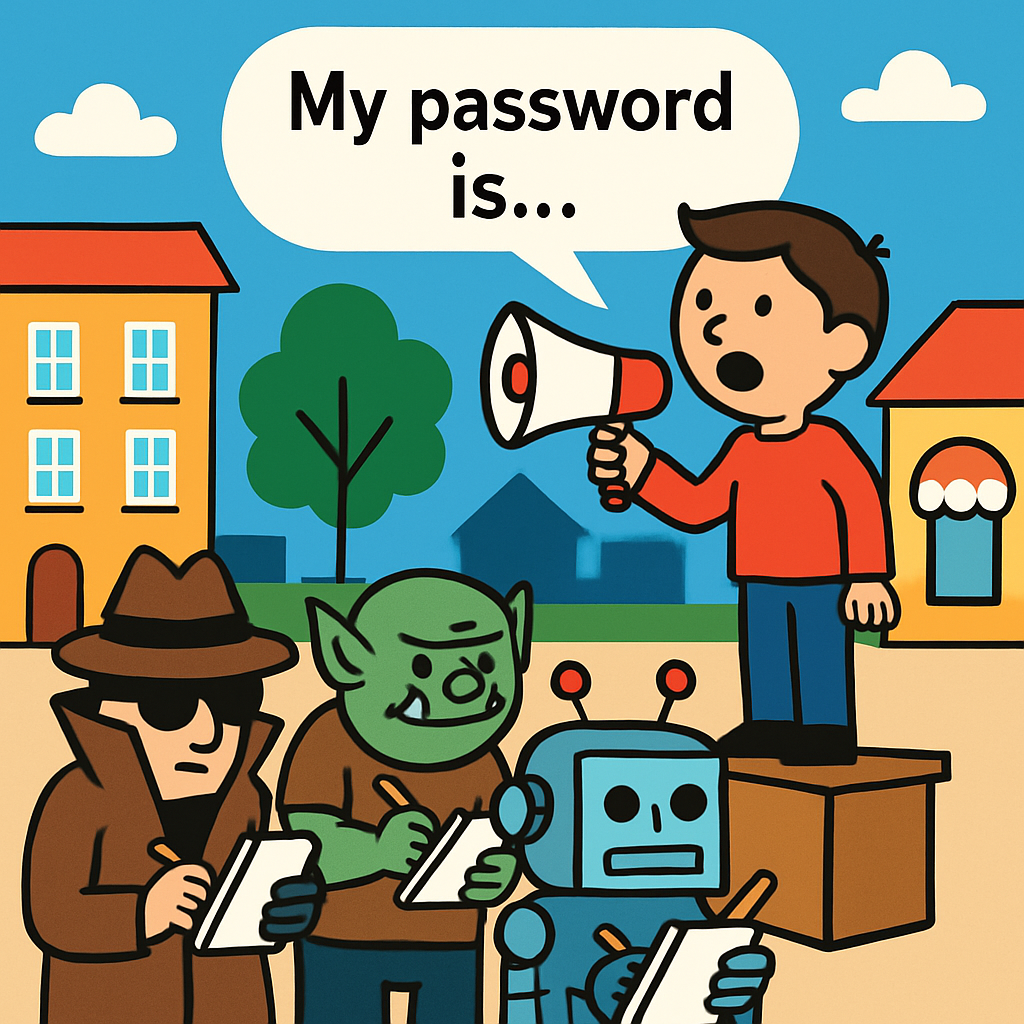 Sharing personal information online can be dangerous. It is important to understand these risks so you can
protect your privacy and safety.
Sharing personal information online can be dangerous. It is important to understand these risks so you can
protect your privacy and safety.
 Identity theft is a serious crime. It happens when someone who is not allowed to gets your
personal information and uses it to pretend to be you.
Identity theft is a serious crime. It happens when someone who is not allowed to gets your
personal information and uses it to pretend to be you.
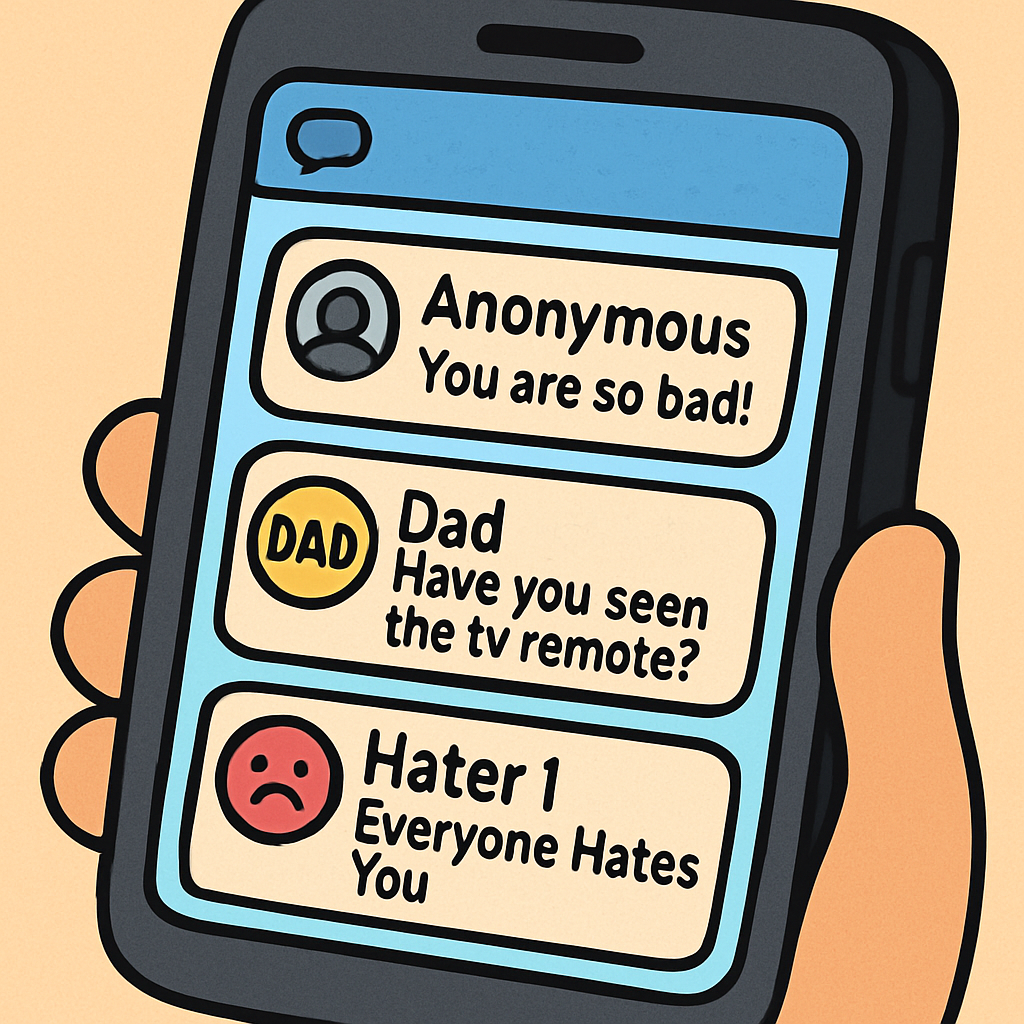 Cyberbullying is when someone uses technology (like phones, games, or social media)
to be mean to another person. They might harass, threaten, or embarrass someone online.
Cyberbullying is when someone uses technology (like phones, games, or social media)
to be mean to another person. They might harass, threaten, or embarrass someone online.