This course provides a comprehensive framework for teaching senior cycle students the fundamentals and advanced concepts of computer science. As an educator, you will guide learners through critical topics such as computer systems, algorithms, data structures, and programming with Python and web technologies. The curriculum also covers ethical issues, emerging trends, and practical project work, ensuring students are well-prepared for assessments and real-world applications.
Read more

Explore the Course

Click any lesson with to preview it

This module provides a comprehensive introduction to core concepts in computer science. It covers essential topics such as computer systems, algorithms, data structures, and number systems, alongside practical skills using tools like MakeCode for micro:bit. Students will also explore ethical issues, internet technologies, and future trends in computing.

Introduction
Leaving Cert Computer Science Overview
Introduction to Computer Systems Quiz
Algorithms and Pseudocode
Introduction to Algorithms Quiz
Flowcharts and Pseudocode Quiz
Introduction to Data Structures Quiz
Basic Sorting and Searching Quiz
Data, Logic and Numbers
Data Representation Quiz
Logic Gates and Boolean Algebra Quiz
Decimal, Binary and Hexadecimal Quiz
Problem Solving
Systematic Problem-Solving Quiz
Power of Computing in Solutions Quiz
Heuristics Quiz
Networking and Society
Digital vs. Analogue Input Quiz
The Internet and Web Technologies Quiz
Ethical and Social Issues in Computing Quiz
Future Trends in Computing Quiz

This module offers a comprehensive foundation in programming with Python, focusing on practical applications using the Micro:bit platform. Through structured lessons, learners will explore fundamental concepts such as syntax, variables, control structures, and data manipulation, while engaging in hands-on projects like creating games, sensors, and interactive devices.

Python Basics
Getting Started with Python Quiz
Variables and Data Types Quiz
Control Structures Quiz
Functions and Modules Quiz
String Manipulation Quiz
Lists and Tuples Quiz
Python Projects
Step Counter Pedometer Quiz
Rock-Paper-Scissors Game Quiz
Digital Dice Roller Quiz
Compass Navigator Quiz
Light Clapper Quiz
Reaction Time Tester Game Quiz
Radio Messaging Network Quiz
Swing Force Logger Quiz
Sound Sampler and Playback Device Quiz Challenge

This module offers a comprehensive foundation in web frontend development, covering essential skills in HTML, CSS, and JavaScript. Through structured lessons, learners will explore webpage structure, styling, and interactivity, gaining hands-on experience in coding and integrating technologies to build functional web applications and dynamic user interfaces.

Introduction to HTML
Introduction to HTML Quiz
HTML Basic Elements Quiz
HTML Tables Quiz
Crafting Complex Tables Quiz
HTML Lists Quiz
Basics of Form Creation Quiz
Advanced Input Types Quiz
Embedding Audio and Video Quiz
Introduction to CSS
Introduction to CSS Quiz
CSS Box Model Quiz
CSS Text Quiz
CSS Fonts Quiz
CSS Website Layout Quiz
Dynamic Web Design and JavaScript
Overview of how HTML, CSS, and JavaScript Interact
Setting up your Development Environment Quiz
Introduction to JavaScript Quiz
Scripting and DOM Manipulation Quiz
Dynamic Form Validation with JavaScript Quiz
Integrating External Libraries and APIs Quiz
Interactive Quiz Game Quiz
Weather Web App Quiz

This module offers a comprehensive introduction to building web applications using a popular Python framework. Through hands-on lessons, students will learn to set up development environments, create dynamic web pages, manage requests, handle data types, work with databases, and implement error handling, debugging, and testing techniques.

Flask Basics
Flask Framework Introduction Quiz
Templates in Flask Quiz
Requests and Data Types
Handling Requests Quiz
Data Types in Backend Quiz
Databases
Introduction to SQLite Databases Quiz
Retrieving and Displaying Data Quiz
Updating and Deleting Records Quiz
Running SQL Queries Quiz
Debugging and Testing
Error Handling and Debugging Quiz
Testing and Validation Quiz

This module provides an in-depth exploration of fundamental concepts in computer science, focusing on efficiency, recursion, and key data structures. Through practical coding exercises in Python using VS Code, students will analyse algorithmic performance, implement recursive solutions, and apply traversal techniques to solve complex problems effectively.

Advanced Algorithms
Algorithmic Efficiency and Complexity Quiz
Recursive Algorithms and Functions Quiz
Data Structures
Trees and Graphs Quiz
Stacks, Queues, and Linked Lists Quiz

This module provides a comprehensive exploration of fundamental computing concepts and technologies. It covers CPU and memory architecture, operating system layers, network protocols and infrastructure, and the theoretical foundations of Turing machines and computability. Through theoretical insights and practical exercises, students gain a solid understanding of computer systems and networking principles.

Hardware and OS
CPU and Memory Architecture Quiz
Operating Systems Layers Quiz
Networking
Network Protocols and Infrastructure Quiz
Turing Machines and Computability Quiz

This module provides a comprehensive exploration of software development methodologies and testing practices. It covers structured and iterative design processes, modelling techniques using Python, and advanced debugging strategies with tools like Flask and SQLite. Students will also evaluate software outcomes and enhance their skills through practical projects and reflective activities.

Design Processes
Staged Design Quiz
Iterative Design Quiz
Comparing Staged and Iterative Processes Quiz
Modelling in Design Quiz
Testing and Evaluation
Advanced Debugging and Testing Quiz
Testing and Evaluation Quiz

This module examines the intersection of moral principles, societal impacts, and cutting-edge advancements in technology. Through lessons on computing ethics, inclusive design, artificial intelligence fundamentals, emerging trends, and automation, students will analyse real-world implications, reflect on ethical dilemmas, and develop critical thinking to navigate the responsible use of technology.

Ethical and Social Impacts
Ethics in Computing Quiz
Adaptive Technology and UX Quiz
Emerging Trends
AI and Machine Learning Basics Quiz
Emerging Trends in AI and Computing Quiz
Automation Quiz

This module equips students with essential skills for their Leaving Certificate Computer Science coursework, contributing 30% to the final grade. Participants explore the forest-themed project brief, covering key dates from December 2025 to March 2026, and develop an embedded system with Python simulations for environmental processes like wildfire risk. Through structured lessons on research, planning, building, testing, reporting via HTML websites, evaluation, and submission, students meet basic and advanced requirements while adhering to authentication and plagiarism rules.

Preparation and Research
Introduction to the Project Brief
Choosing Your Theme and Brainstorming Ideas
Research and Investigation
Planning and Design
Development and Testing
Building the Embedded System
Developing the Computer Model and Simulations
Testing, Debugging, and Milestones
Reporting and Submission
Creating the Report Website
Evaluation and Iteration
Final Submission and Best Practices

This module offers comprehensive preparation for the Leaving Certificate Computer Science examination. It covers essential strategies through lessons on the exam structure, analysis of past papers, and engagement with practice papers. Designed to build confidence and skills, it equips students with the tools needed for success in their assessments.

Leaving Cert Exam Overview
Leaving Certificate Computer Science Exam
Past Papers
Past Papers
Practice Papers
Exam Question Simulator

This module provides a comprehensive introduction to core concepts in computer science. It covers essential topics such as computer systems, algorithms, data structures, and number systems, alongside practical skills using tools like MakeCode for micro:bit. Students will also explore ethical issues, internet technologies, and future trends in computing.

Introduction
Leaving Cert Computer Science Overview
Introduction to Computer Systems Quiz
Algorithms and Pseudocode
Introduction to Algorithms Quiz
Flowcharts and Pseudocode Quiz
Introduction to Data Structures Quiz
Basic Sorting and Searching Quiz
Data, Logic and Numbers
Data Representation Quiz
Logic Gates and Boolean Algebra Quiz
Decimal, Binary and Hexadecimal Quiz
Problem Solving
Systematic Problem-Solving Quiz
Power of Computing in Solutions Quiz
Heuristics Quiz
Networking and Society
Digital vs. Analogue Input Quiz
The Internet and Web Technologies Quiz
Ethical and Social Issues in Computing Quiz
Future Trends in Computing Quiz

This module offers a comprehensive foundation in programming with Python, focusing on practical applications using the Micro:bit platform. Through structured lessons, learners will explore fundamental concepts such as syntax, variables, control structures, and data manipulation, while engaging in hands-on projects like creating games, sensors, and interactive devices.

Python Basics
Getting Started with Python Quiz
Variables and Data Types Quiz
Control Structures Quiz
Functions and Modules Quiz
String Manipulation Quiz
Lists and Tuples Quiz
Python Projects
Step Counter Pedometer Quiz
Rock-Paper-Scissors Game Quiz
Digital Dice Roller Quiz
Compass Navigator Quiz
Light Clapper Quiz
Reaction Time Tester Game Quiz
Radio Messaging Network Quiz
Swing Force Logger Quiz
Sound Sampler and Playback Device Quiz Challenge

This module offers a comprehensive foundation in web frontend development, covering essential skills in HTML, CSS, and JavaScript. Through structured lessons, learners will explore webpage structure, styling, and interactivity, gaining hands-on experience in coding and integrating technologies to build functional web applications and dynamic user interfaces.

Introduction to HTML
Introduction to HTML Quiz
HTML Basic Elements Quiz
HTML Tables Quiz
Crafting Complex Tables Quiz
HTML Lists Quiz
Basics of Form Creation Quiz
Advanced Input Types Quiz
Embedding Audio and Video Quiz
Introduction to CSS
Introduction to CSS Quiz
CSS Box Model Quiz
CSS Text Quiz
CSS Fonts Quiz
CSS Website Layout Quiz
Dynamic Web Design and JavaScript
Overview of how HTML, CSS, and JavaScript Interact
Setting up your Development Environment Quiz
Introduction to JavaScript Quiz
Scripting and DOM Manipulation Quiz
Dynamic Form Validation with JavaScript Quiz
Integrating External Libraries and APIs Quiz
Interactive Quiz Game Quiz
Weather Web App Quiz

This module offers a comprehensive introduction to building web applications using a popular Python framework. Through hands-on lessons, students will learn to set up development environments, create dynamic web pages, manage requests, handle data types, work with databases, and implement error handling, debugging, and testing techniques.

Flask Basics
Flask Framework Introduction Quiz
Templates in Flask Quiz
Requests and Data Types
Handling Requests Quiz
Data Types in Backend Quiz
Databases
Introduction to SQLite Databases Quiz
Retrieving and Displaying Data Quiz
Updating and Deleting Records Quiz
Running SQL Queries Quiz
Debugging and Testing
Error Handling and Debugging Quiz
Testing and Validation Quiz

This module provides an in-depth exploration of fundamental concepts in computer science, focusing on efficiency, recursion, and key data structures. Through practical coding exercises in Python using VS Code, students will analyse algorithmic performance, implement recursive solutions, and apply traversal techniques to solve complex problems effectively.

Advanced Algorithms
Algorithmic Efficiency and Complexity Quiz
Recursive Algorithms and Functions Quiz
Data Structures
Trees and Graphs Quiz
Stacks, Queues, and Linked Lists Quiz

This module provides a comprehensive exploration of fundamental computing concepts and technologies. It covers CPU and memory architecture, operating system layers, network protocols and infrastructure, and the theoretical foundations of Turing machines and computability. Through theoretical insights and practical exercises, students gain a solid understanding of computer systems and networking principles.

Hardware and OS
CPU and Memory Architecture Quiz
Operating Systems Layers Quiz
Networking
Network Protocols and Infrastructure Quiz
Turing Machines and Computability Quiz

This module provides a comprehensive exploration of software development methodologies and testing practices. It covers structured and iterative design processes, modelling techniques using Python, and advanced debugging strategies with tools like Flask and SQLite. Students will also evaluate software outcomes and enhance their skills through practical projects and reflective activities.

Design Processes
Staged Design Quiz
Iterative Design Quiz
Comparing Staged and Iterative Processes Quiz
Modelling in Design Quiz
Testing and Evaluation
Advanced Debugging and Testing Quiz
Testing and Evaluation Quiz

This module examines the intersection of moral principles, societal impacts, and cutting-edge advancements in technology. Through lessons on computing ethics, inclusive design, artificial intelligence fundamentals, emerging trends, and automation, students will analyse real-world implications, reflect on ethical dilemmas, and develop critical thinking to navigate the responsible use of technology.

Ethical and Social Impacts
Ethics in Computing Quiz
Adaptive Technology and UX Quiz
Emerging Trends
AI and Machine Learning Basics Quiz
Emerging Trends in AI and Computing Quiz
Automation Quiz

This module equips students with essential skills for their Leaving Certificate Computer Science coursework, contributing 30% to the final grade. Participants explore the forest-themed project brief, covering key dates from December 2025 to March 2026, and develop an embedded system with Python simulations for environmental processes like wildfire risk. Through structured lessons on research, planning, building, testing, reporting via HTML websites, evaluation, and submission, students meet basic and advanced requirements while adhering to authentication and plagiarism rules.

Preparation and Research
Introduction to the Project Brief
Choosing Your Theme and Brainstorming Ideas
Research and Investigation
Planning and Design
Development and Testing
Building the Embedded System
Developing the Computer Model and Simulations
Testing, Debugging, and Milestones
Reporting and Submission
Creating the Report Website
Evaluation and Iteration
Final Submission and Best Practices

This module offers comprehensive preparation for the Leaving Certificate Computer Science examination. It covers essential strategies through lessons on the exam structure, analysis of past papers, and engagement with practice papers. Designed to build confidence and skills, it equips students with the tools needed for success in their assessments.

Leaving Cert Exam Overview
Leaving Certificate Computer Science Exam
Past Papers
Past Papers
Practice Papers
Exam Question Simulator

Curriculum Mapping

See exactly how this course maps to official curriculum specifications

Curriculum Area
Outcomes
Practices and principles
Computational thinking
1.1 1.2 1.3 1.4 1.5 1.6 1.7 1.8 1.9 1.10
Computers and society
1.11 1.12 1.13 1.14 1.15 1.16 1.17 1.18
Designing and developing
1.19 1.20 1.21 1.22 1.23
Core concepts
Abstraction
2.1 2.2 2.3 2.4
Algorithms
2.5 2.6 2.7 2.8 2.9 2.10
Computer systems
2.11 2.12 2.13 2.14 2.15
Data
2.16 2.17 2.18
Evaluation and testing
2.19 2.20 2.21 2.22
Computer science in practice
Applied learning task 1: Interactive information systems
3.1 3.2 3.3
Applied learning task 2: Analytics
3.4 3.5 3.6 3.7
Applied learning task 3: Modelling and simulation
3.8 3.9 3.10
Applied learning task 4: Embedded systems
3.11 3.12 3.13 3.14

The curriculum does not include official reference codes for individual learning outcomes, so we have assigned a code scheme to make it easier to identify and track coverage.

What Students Will Learn

Learning Goals

  1. Develop a comprehensive understanding of fundamental computer science concepts, including hardware, software, algorithms, and data structures.
  2. Acquire practical programming skills in Python and web development technologies to build functional applications.
  3. Apply problem-solving strategies and algorithmic thinking to design efficient solutions for complex challenges.
  4. Explore the ethical and societal impacts of computing technologies and emerging trends.
  5. Demonstrate proficiency in project planning, development, and testing through applied learning tasks and coursework.

Learning Outcomes

  1. Explain the structure and requirements of the Leaving Cert Computer Science curriculum, including key topics, coursework, and exam format.
  2. Identify and describe the fundamental components of computer systems, such as CPU, memory, and storage, through practical tasks.
  3. Design and implement basic algorithms using flowcharts and pseudocode to solve simple computational problems.
  4. Demonstrate the use of data structures like arrays and lists by creating and manipulating them in coding exercises.
  5. Apply sorting and searching algorithms, such as bubble sort and binary search, in simulated environments to organise and retrieve data efficiently.

What You'll Need

Student Devices

Students will need one of these devices. Students can share in groups of 2-3 if necessary.

Chromebook/Laptop/PC
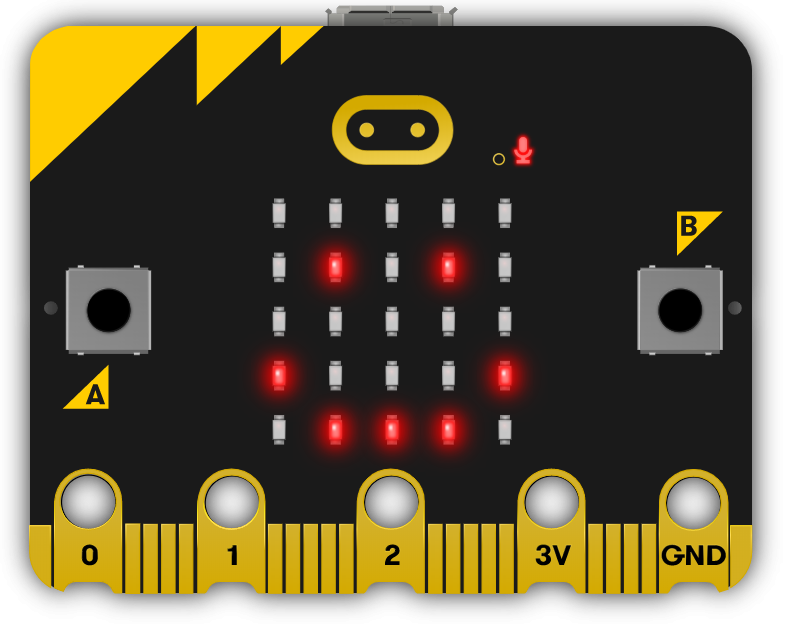
Microbit
Microbit
Required Equipment

Equipment used in some of the lessons in this course. Items can be shared among students.

Microbit
Microbit

Ready to bring this course to your school?

Get in touch to discuss pricing and ordering for your school.

Ready to get started?
Pricing & Ordering Contact Us
🍪 Our website uses cookies to make your browsing experience better. By using our website you agree to our use of cookies. Learn more