This course introduces foundational programming concepts through engaging, hands-on activities without the use of digital devices. Students will explore algorithms, sequencing, and logical thinking via interactive tasks like sandwich-making, dance coding, and game design. Designed for active learning, it fosters problem-solving skills and creativity in a supportive environment.
Read more

Explore the Course

Click any lesson to preview it

This module offers an engaging introduction to foundational computing concepts for young learners through interactive and unplugged activities. Covering algorithms, sequencing, conditionals, loops, and game design, it uses action games, dance coding, and creative projects to build digital skills, encourage problem-solving, and foster collaboration in a fun, accessible way.

Introduction to Algorithms Beginner
Mastering the Art of Order Beginner
Mastering the Maze: Navigating the 4x4 Quiz Challenge Beginner
Code Dance Follow-Along Beginner
Dance Party Algorithms Beginner
The Logic of Games Beginner

This module offers an engaging introduction to foundational computing concepts for young learners through interactive and unplugged activities. Covering algorithms, sequencing, conditionals, loops, and game design, it uses action games, dance coding, and creative projects to build digital skills, encourage problem-solving, and foster collaboration in a fun, accessible way.

Introduction to Algorithms Beginner
Mastering the Art of Order Beginner
Mastering the Maze: Navigating the 4x4 Quiz Challenge Beginner
Code Dance Follow-Along Beginner
Dance Party Algorithms Beginner
The Logic of Games Beginner

Curriculum Mapping

See exactly how this course maps to official curriculum specifications

Curriculum Area
Outcomes
Nature of STEM
S1.2.1
Living things
S2.2.1 S2.2.2
Materials
S3.2.1 S3.2.2
Energy and forces
S4.2.1 S4.2.2 S4.2.3
Technology
S5.2.1 S5.2.2
Engineering
S6.2.1

What Students Will Learn

Learning Goals

  1. Understand the fundamental concept of algorithms through hands-on activities and real-world examples.
  2. Develop skills in sequencing and logical thinking by engaging in interactive games and tasks.
  3. Apply precise instructions and directions to solve problems in structured environments like grids and dance sequences.
  4. Explore the efficiency of loops and repetition in creating streamlined processes.
  5. Create and test clear rules and instructions to enhance problem-solving and collaboration skills.

Learning Outcomes

  1. Define an algorithm and create precise step-by-step instructions for a simple task, such as making a sandwich.
  2. Demonstrate the importance of sequencing by correctly ordering events in interactive games and worksheets.
  3. Apply logical sequencing and directional skills to navigate a grid-based maze, guiding an object to a target.
  4. Execute and design dance sequences using loops to repeat steps efficiently in a coded choreography.
  5. Develop and test a custom game board with clear, logical rules, ensuring fair play through peer feedback.

What You'll Need

Required Equipment

Equipment used in some of the lessons in this course. Items can be shared among students.

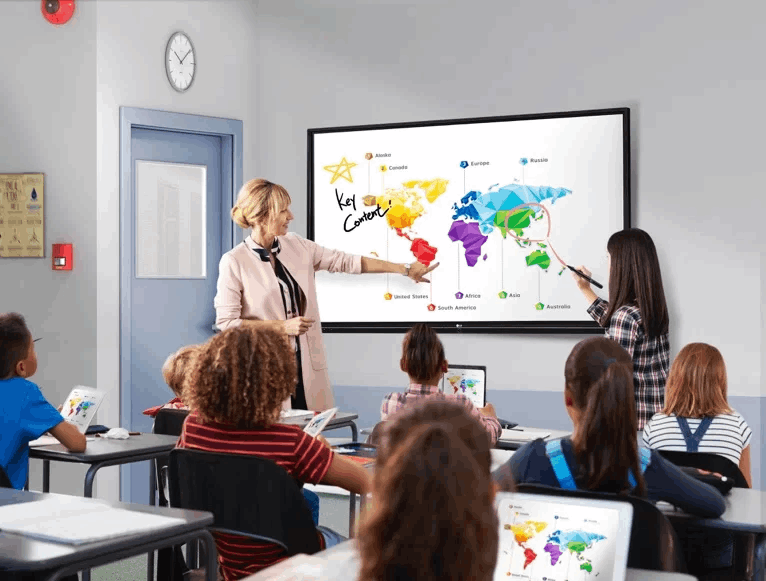
Interactive Display
Interactive Display
IWB/Projector/Large Screen
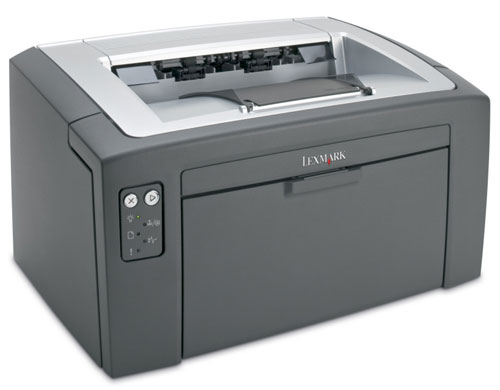
Printer
Printer

Ready to bring this course to your school?

Get in touch to discuss pricing and ordering for your school.

Ready to get started?
Pricing & Ordering Contact Us
🍪 Our website uses cookies to make your browsing experience better. By using our website you agree to our use of cookies. Learn more